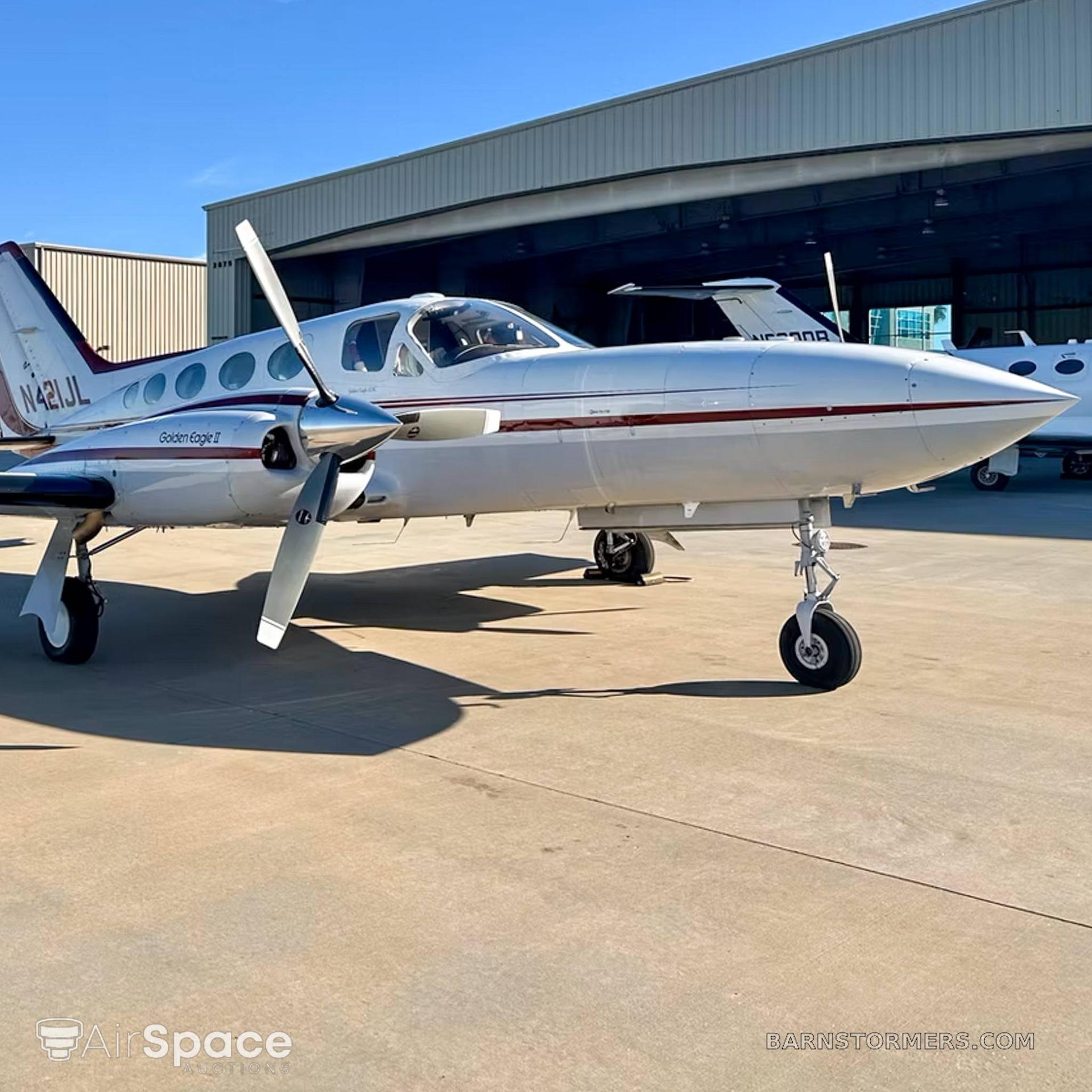
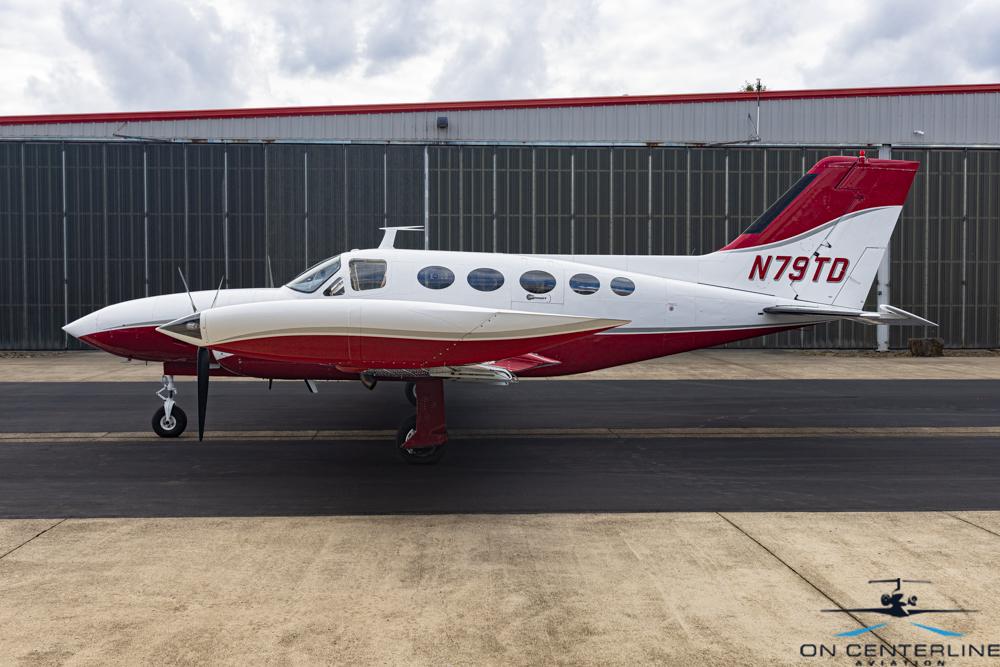
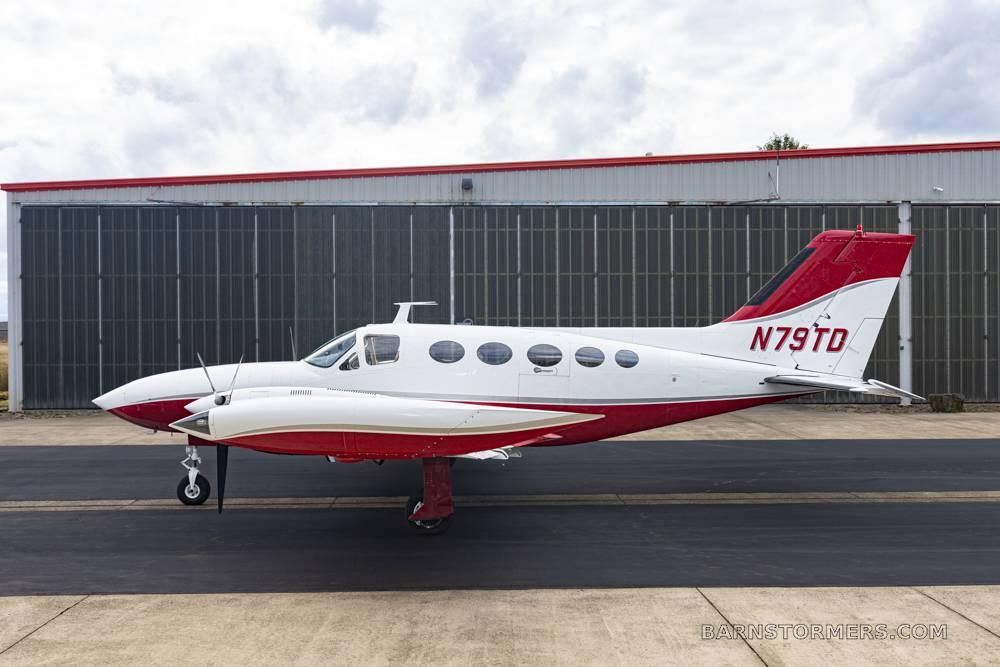
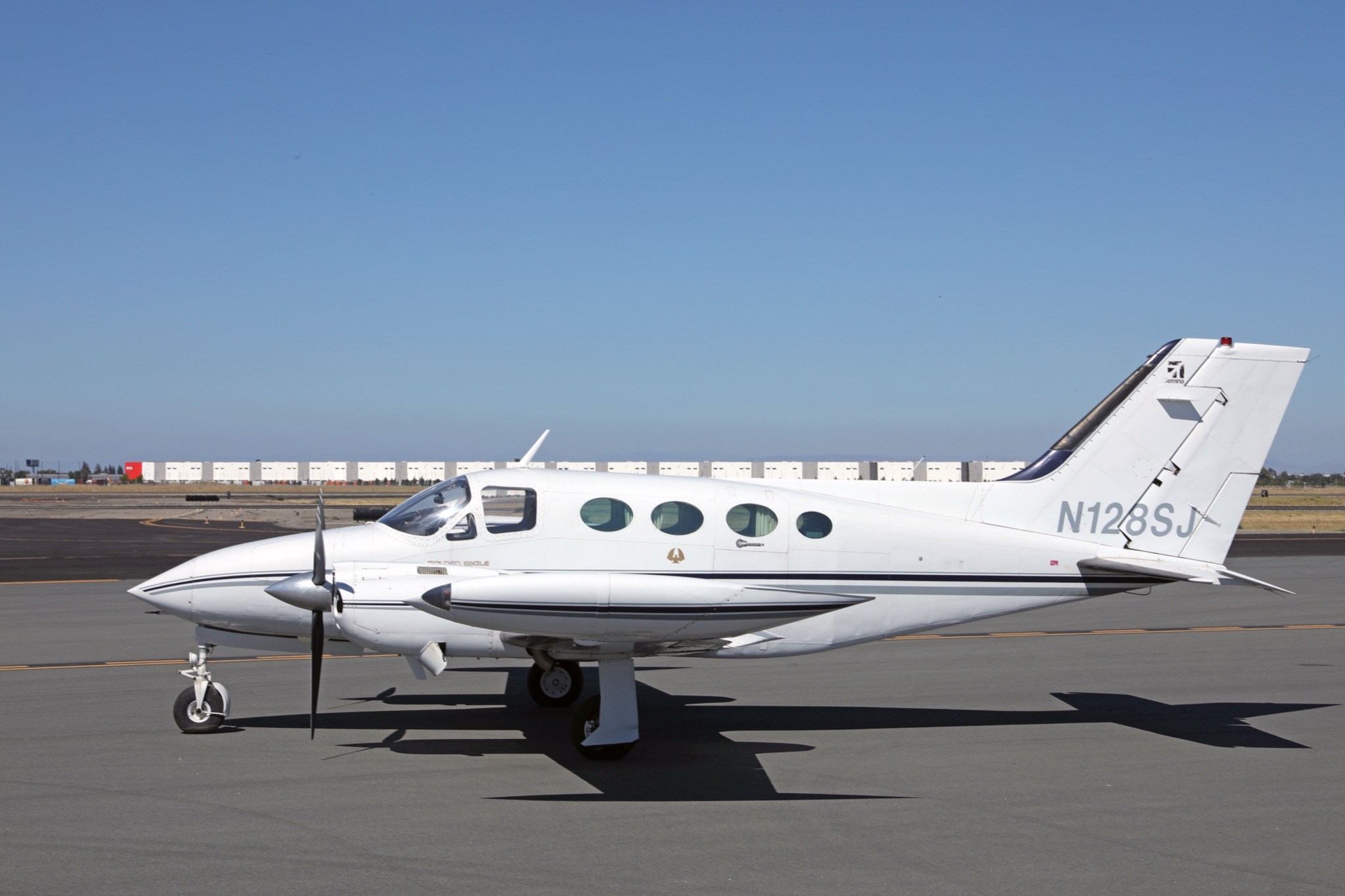
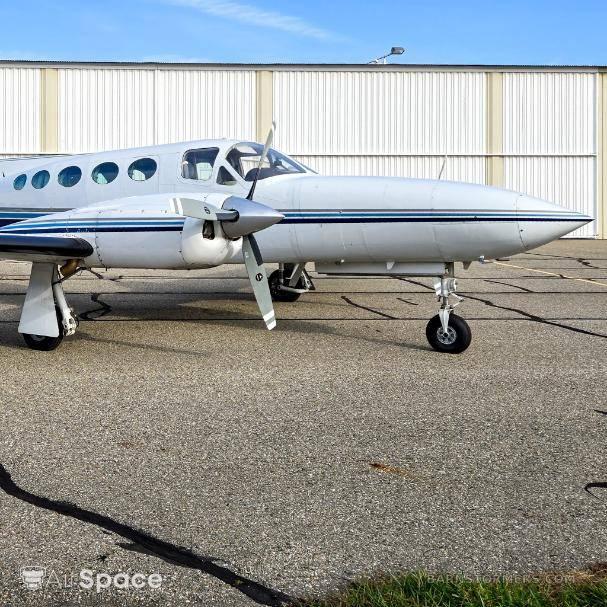
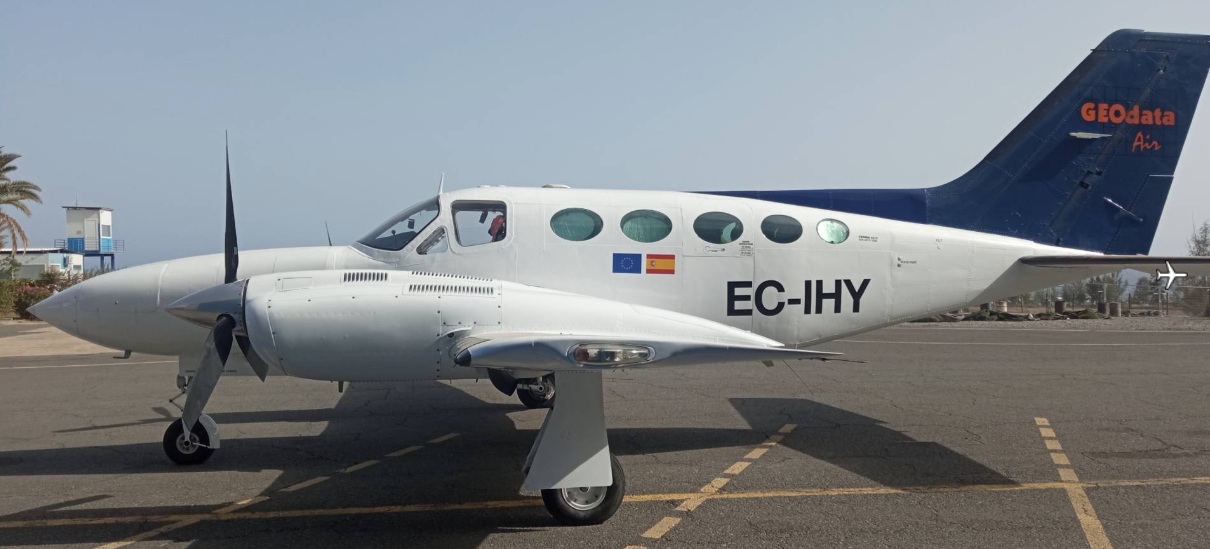
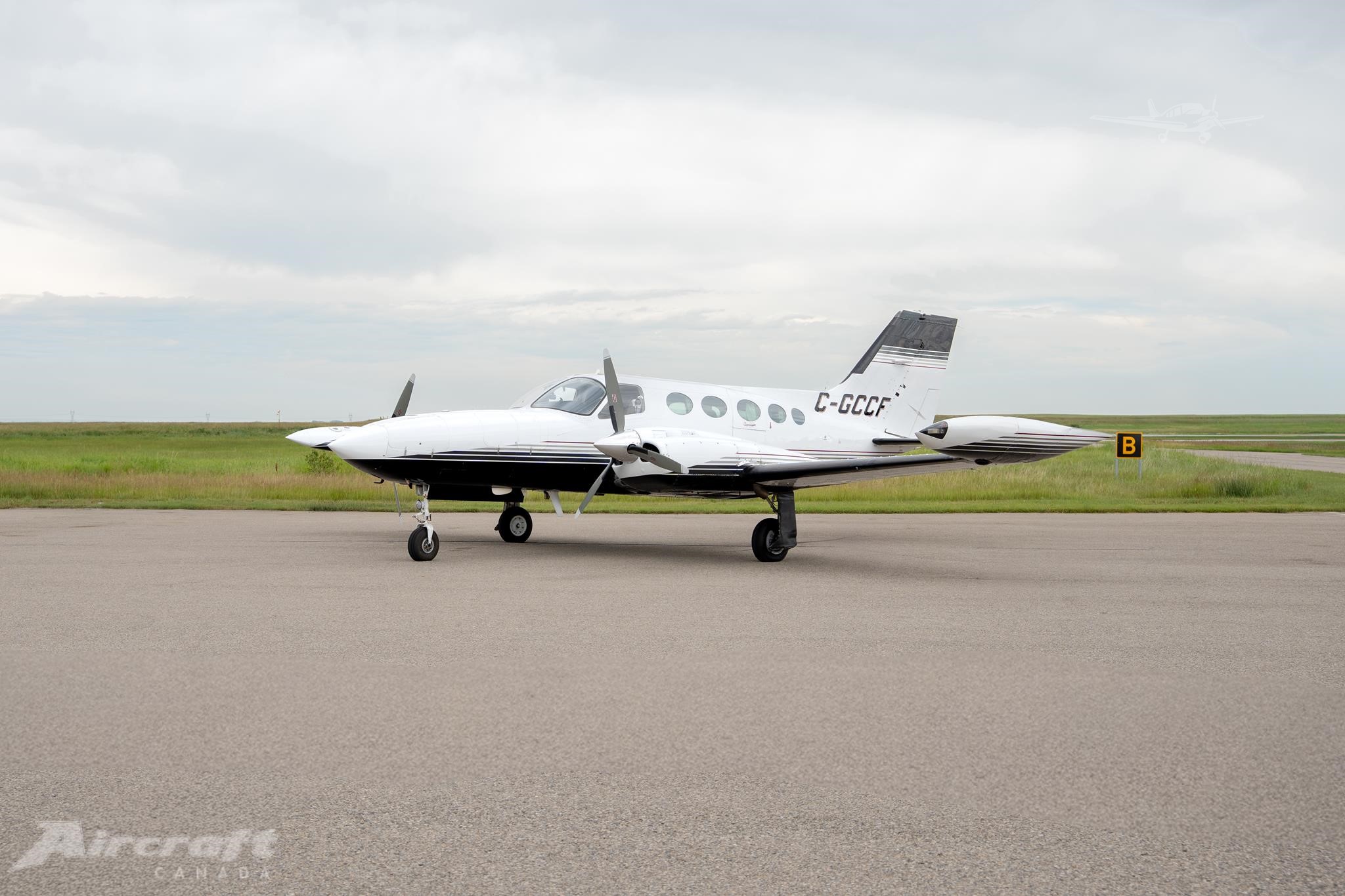
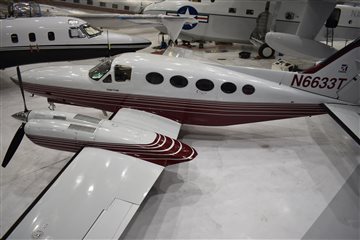
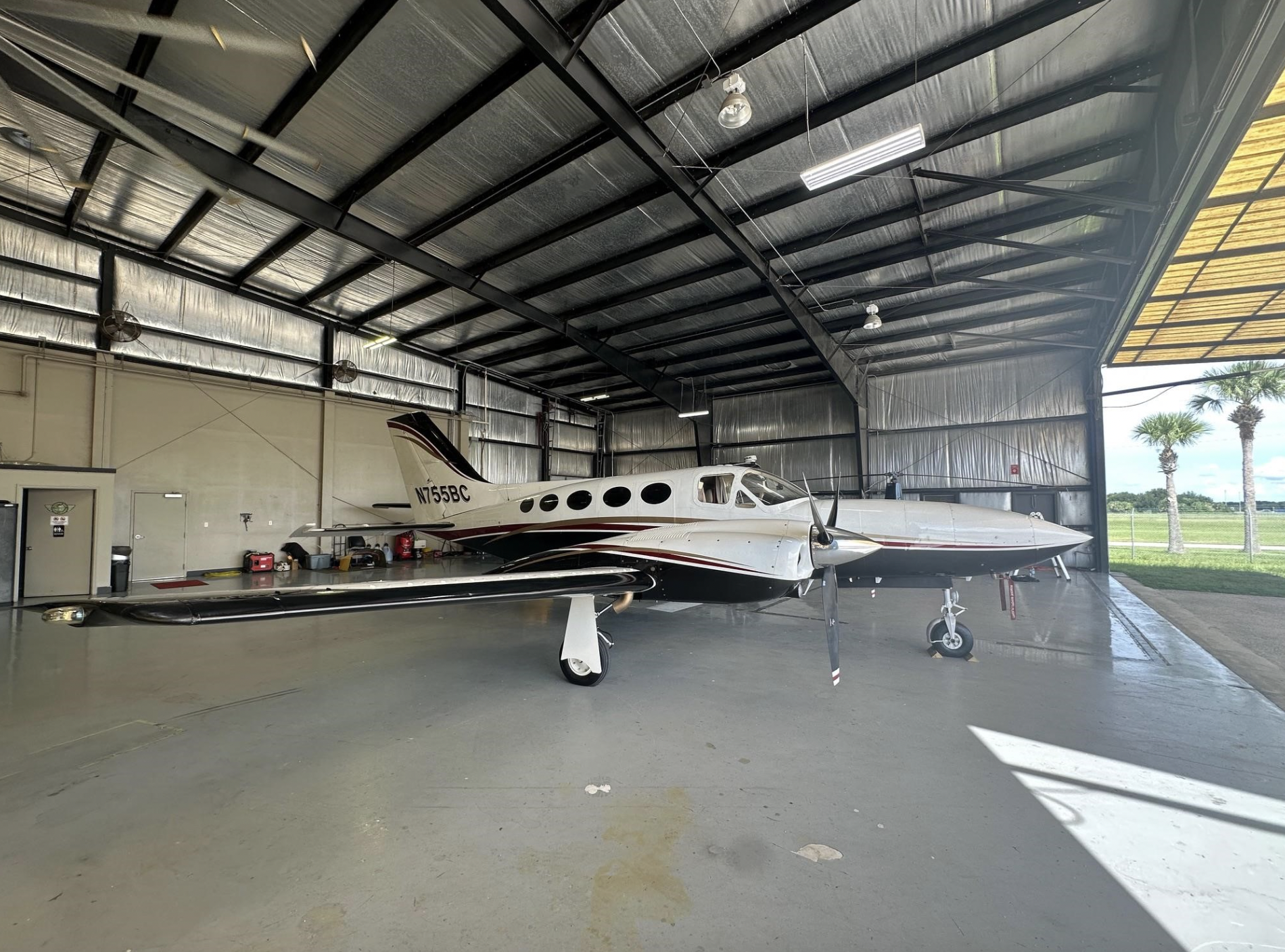
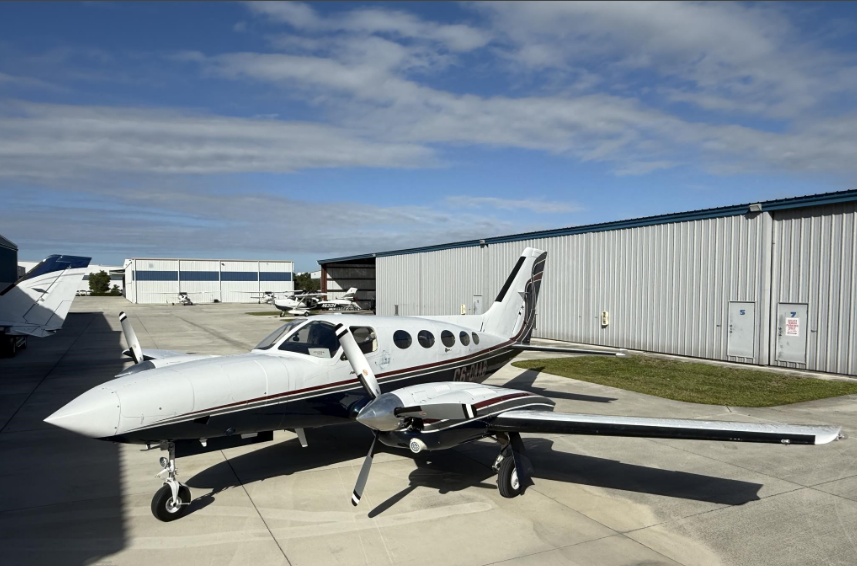
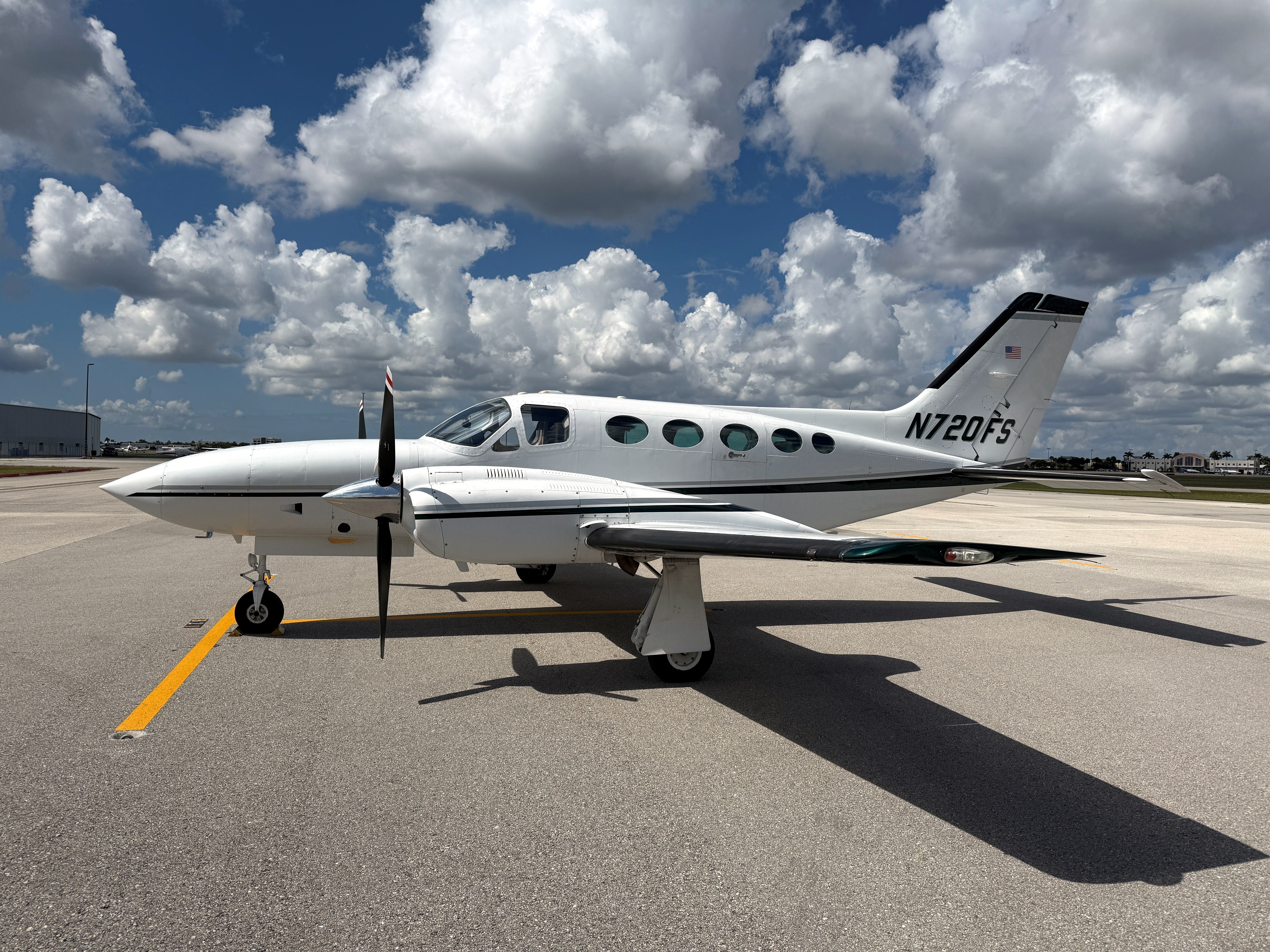
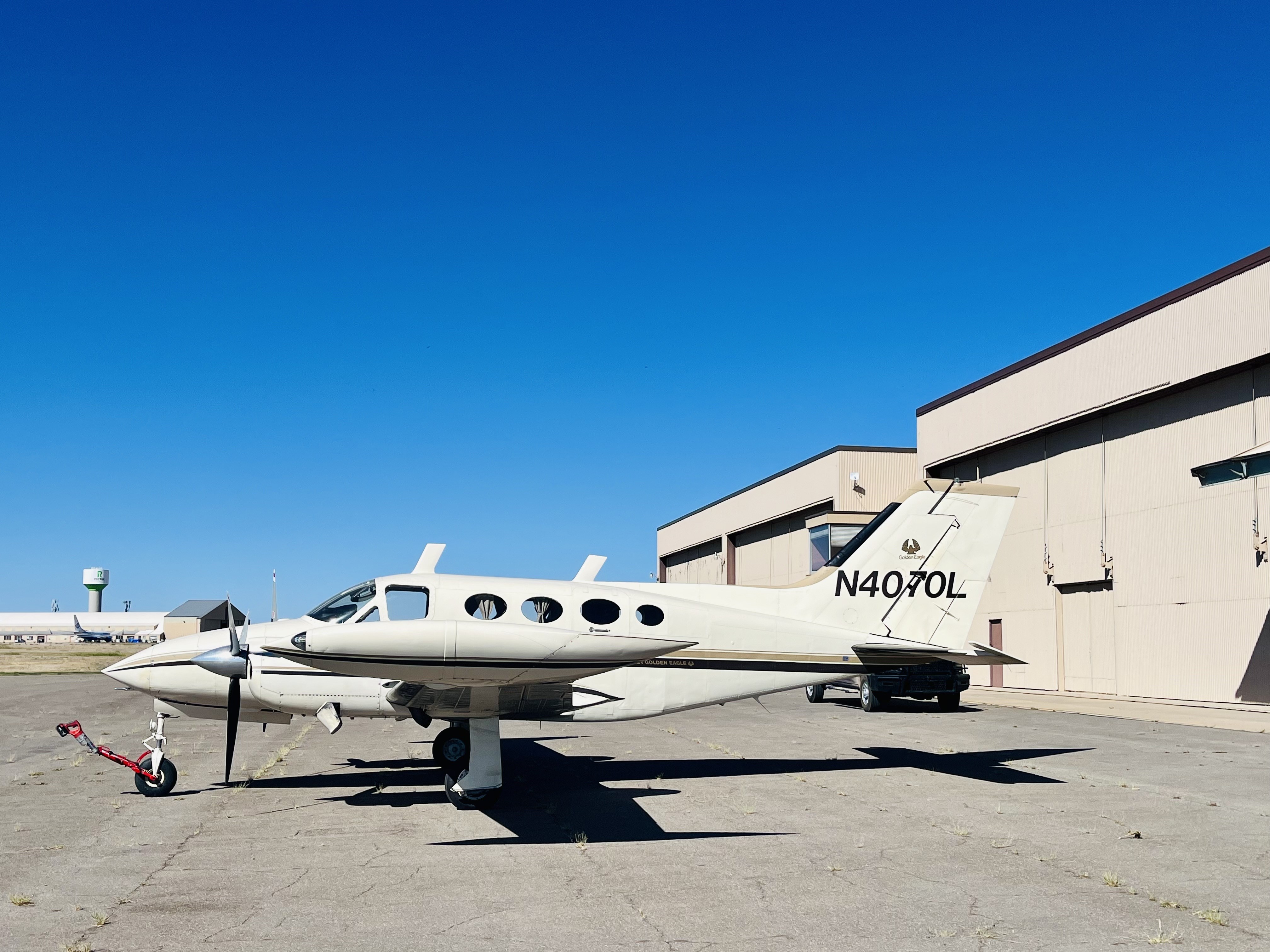
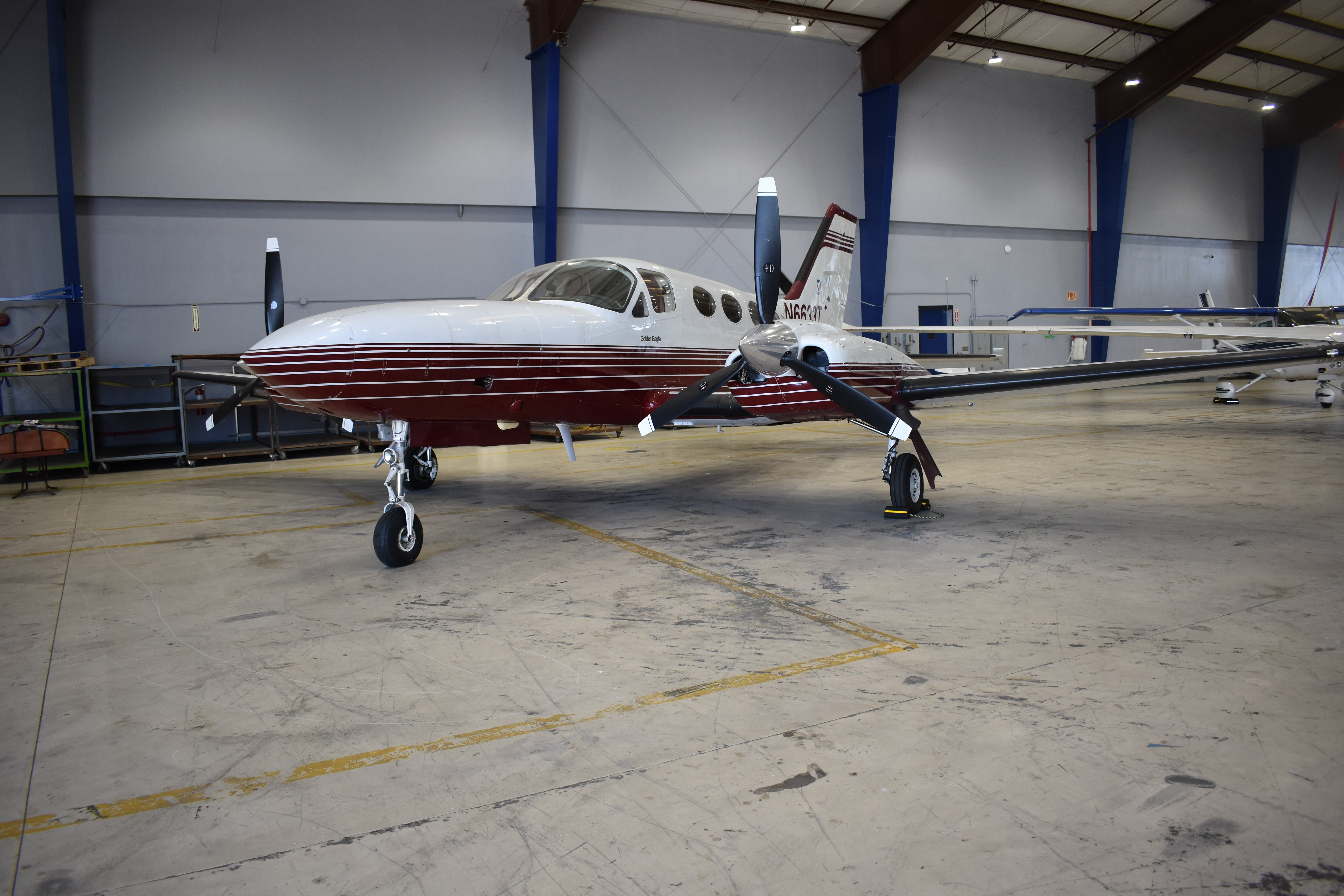
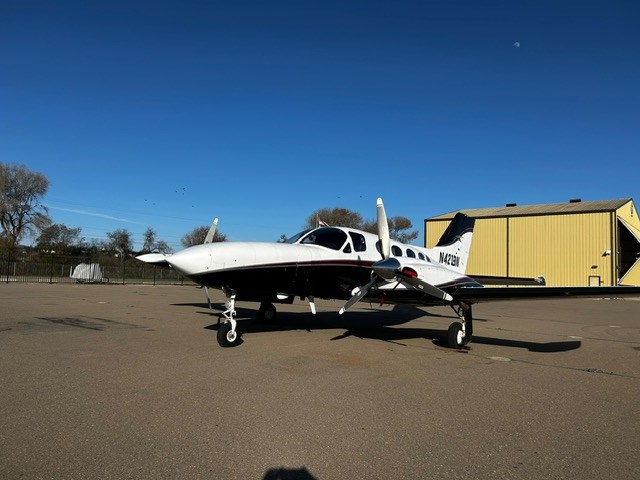
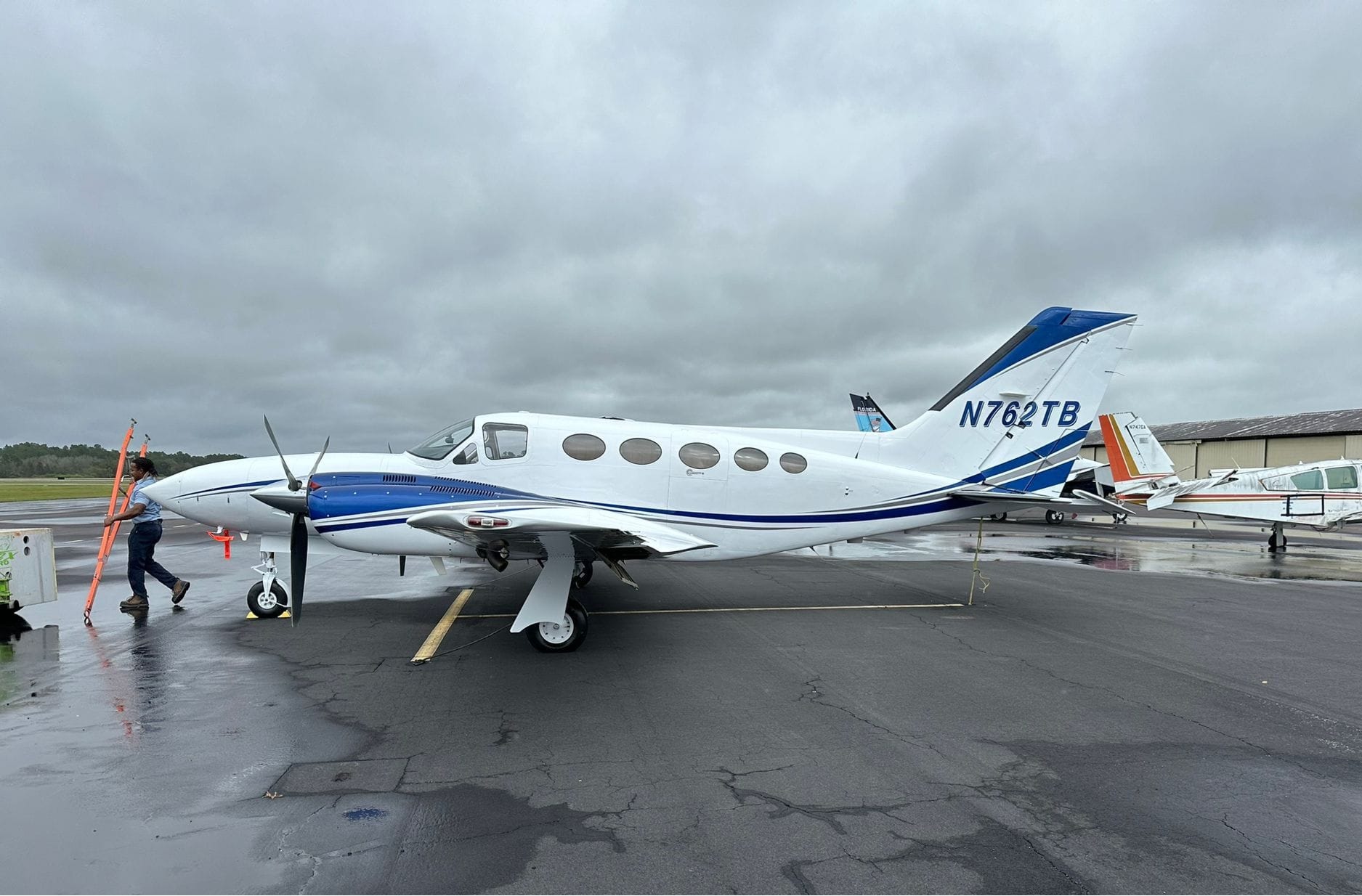
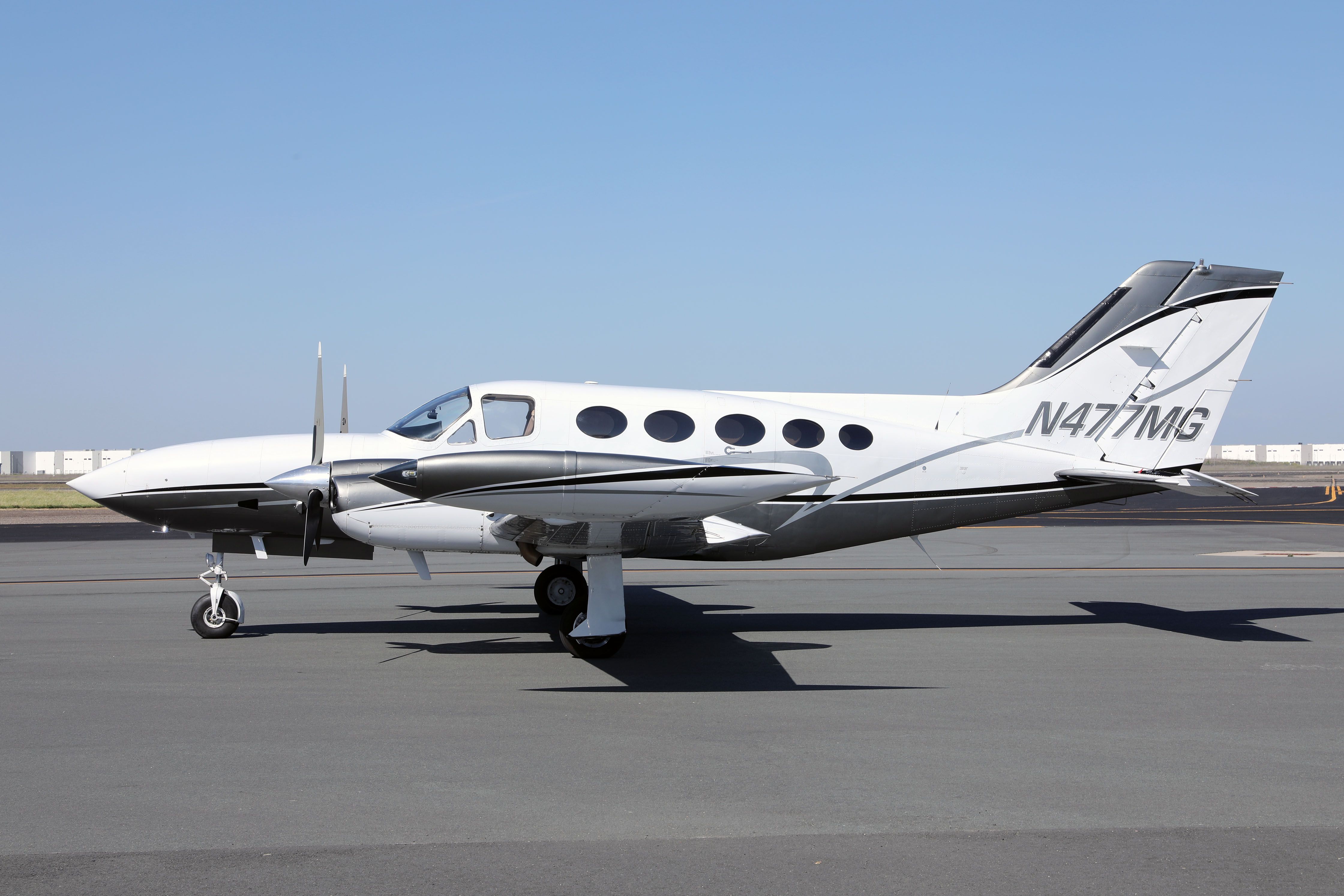
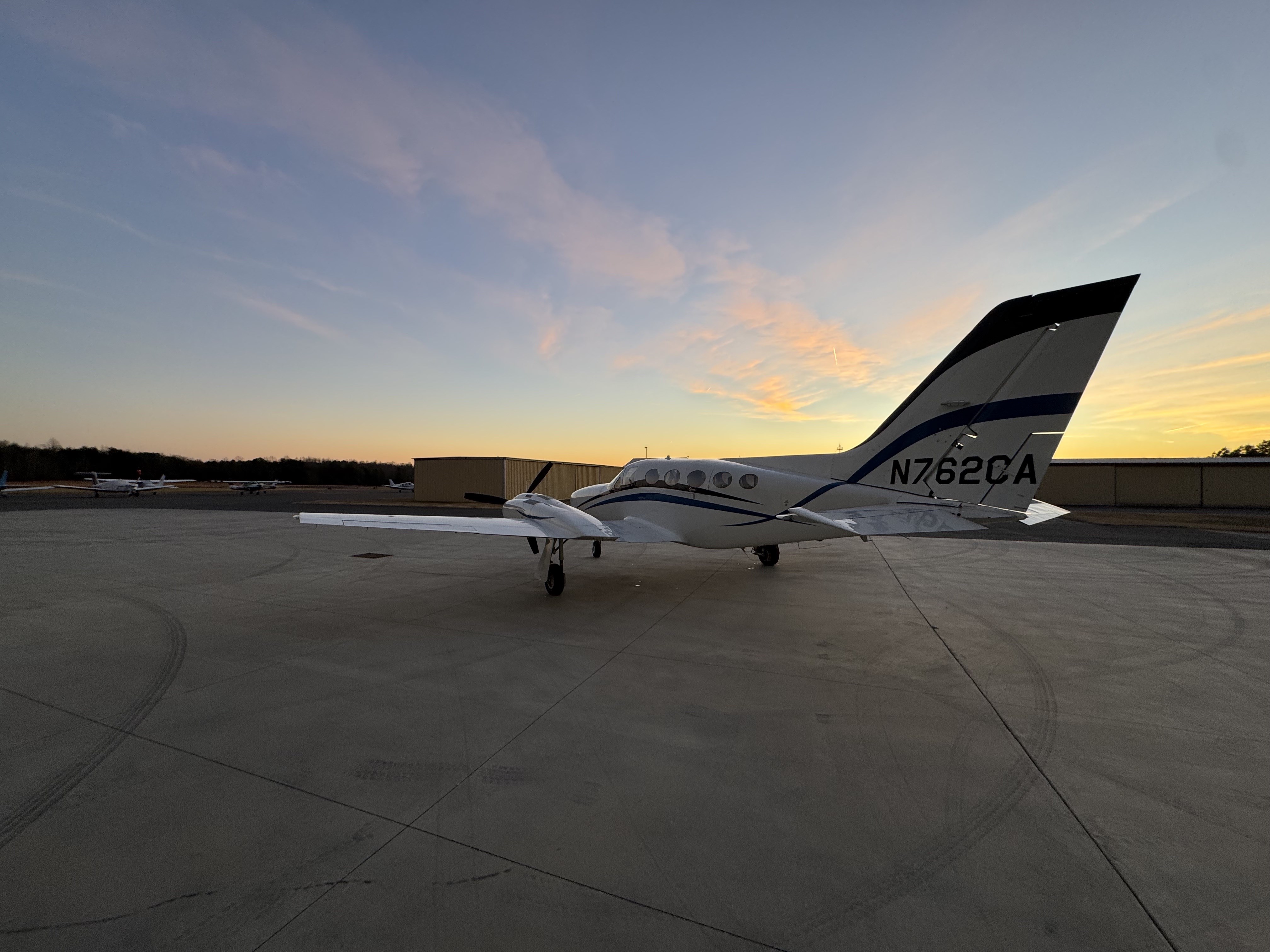
The Cessna 421 Golden Eagle occupies a unique position in general aviation: a pressurized, twin-engine cabin-class aircraft that sits between the unpressurized piston twins and the entry turboprops. Cessna built the 421 with a full stand-up cabin, two turbocharged Continental geared engines, and the kind of range and cruise altitude that let a group travel at the flight levels — above most weather — in genuine comfort. Produced from 1967 through 1985, the line evolved through three variants (421A, 421B, and the redesigned wet-wing 421C) and became the benchmark small pressurized twin of its era.
The economics of the 421 are why partnerships are so deeply embedded in the type. Two turbocharged geared engines each running on their own overhaul clock, a pressurization system that needs periodic attention, and the insurance bill for a complex multi-engine pressurized aircraft all add up quickly for a solo owner. A co-ownership group distributes those costs cleanly — each partner pays their share of a sensible monthly fixed expense rather than absorbing the whole bill alone — and keeps the airplane flying often enough that everyone stays current in a machine that genuinely rewards proficiency.