ClubHanger

Tailwheel Aircraft for Sale

Conventional-gear taildraggers for backcountry and stick-and-rudder flying.

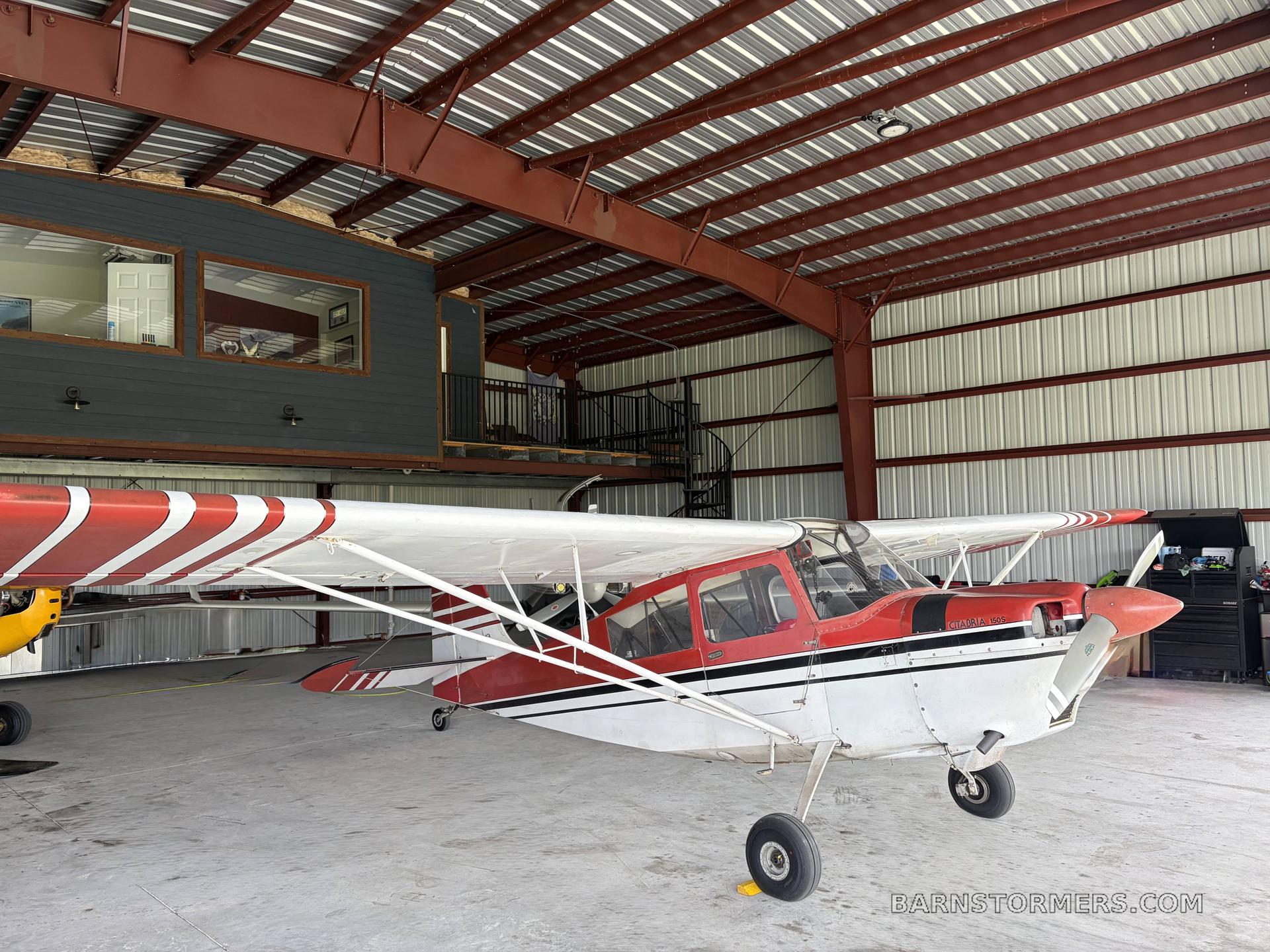
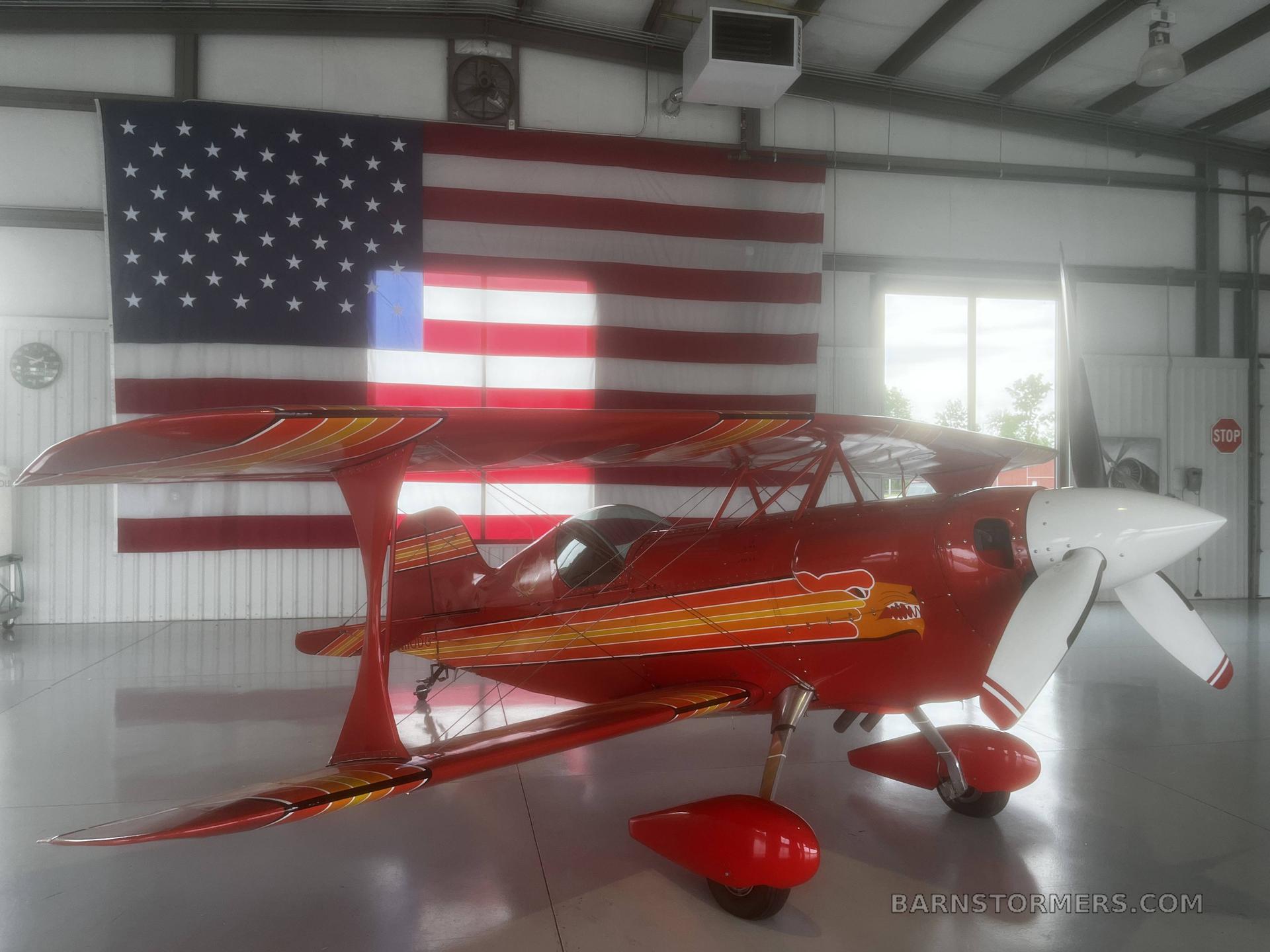
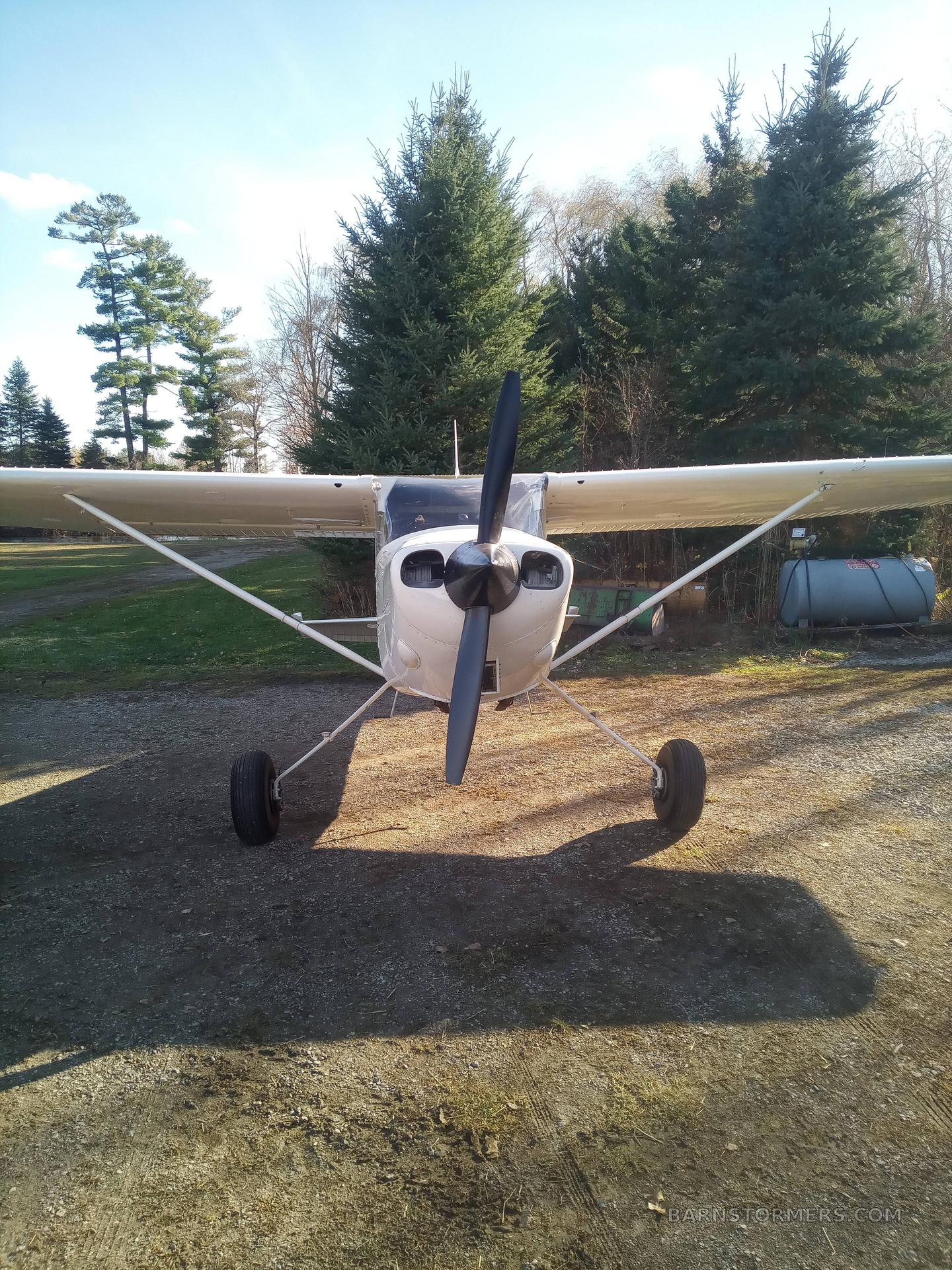
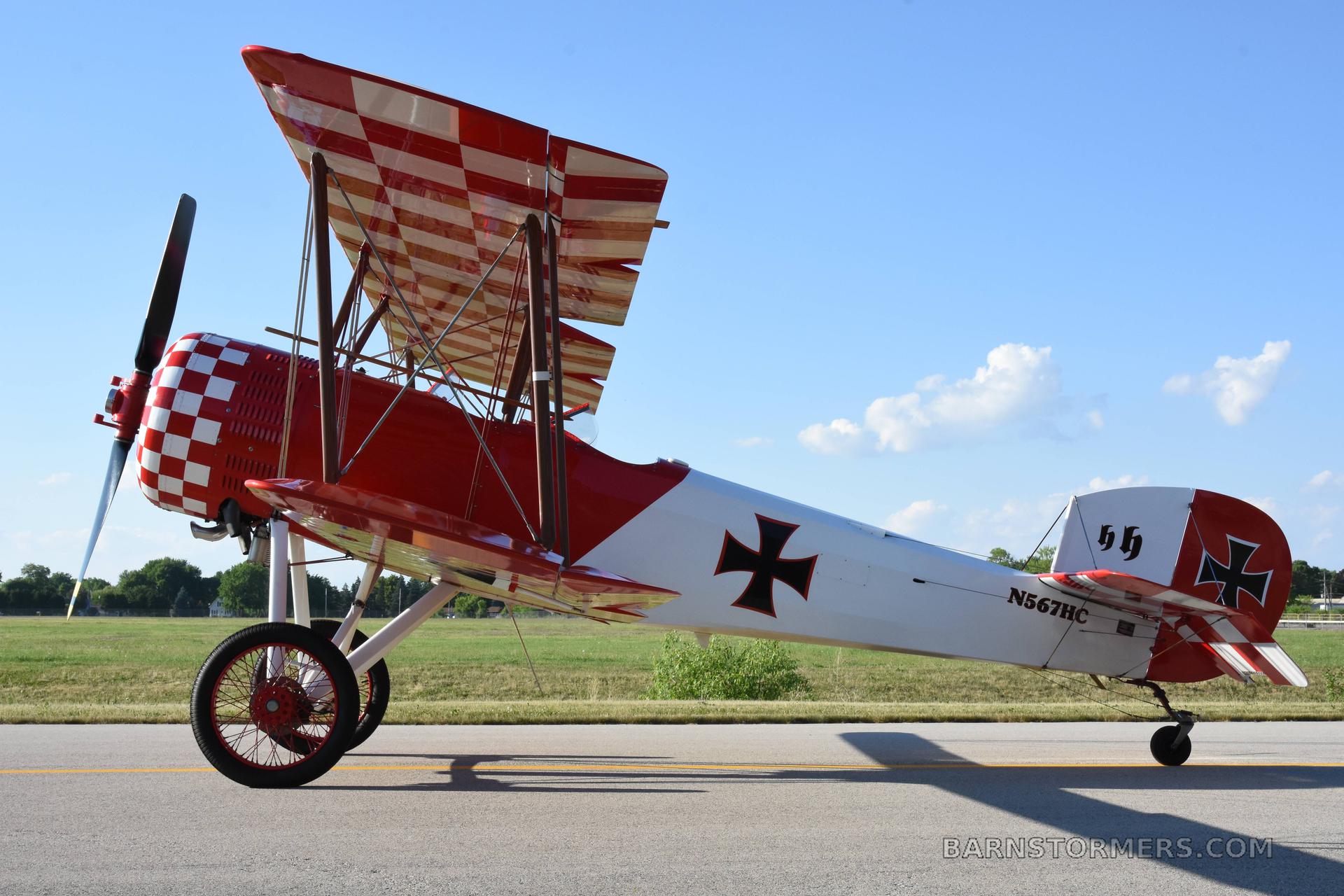
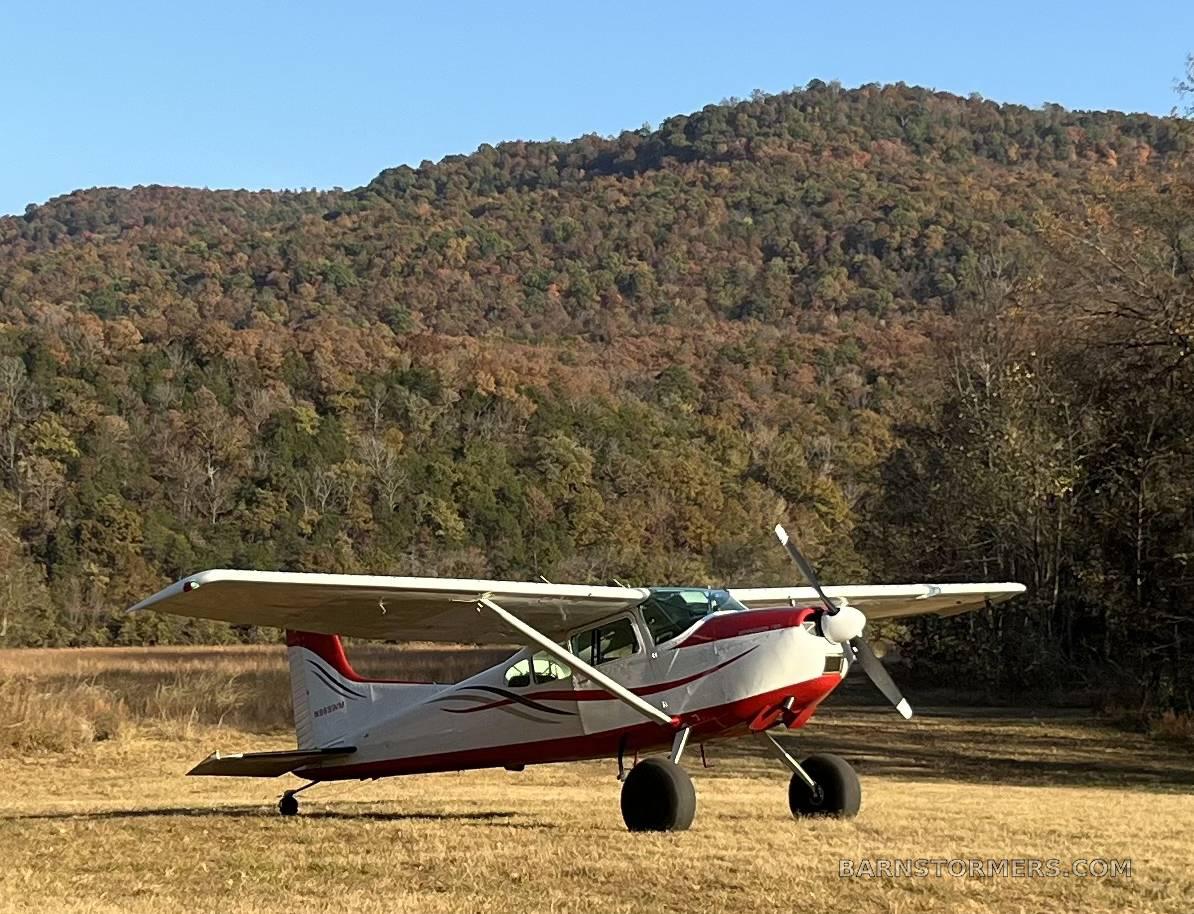
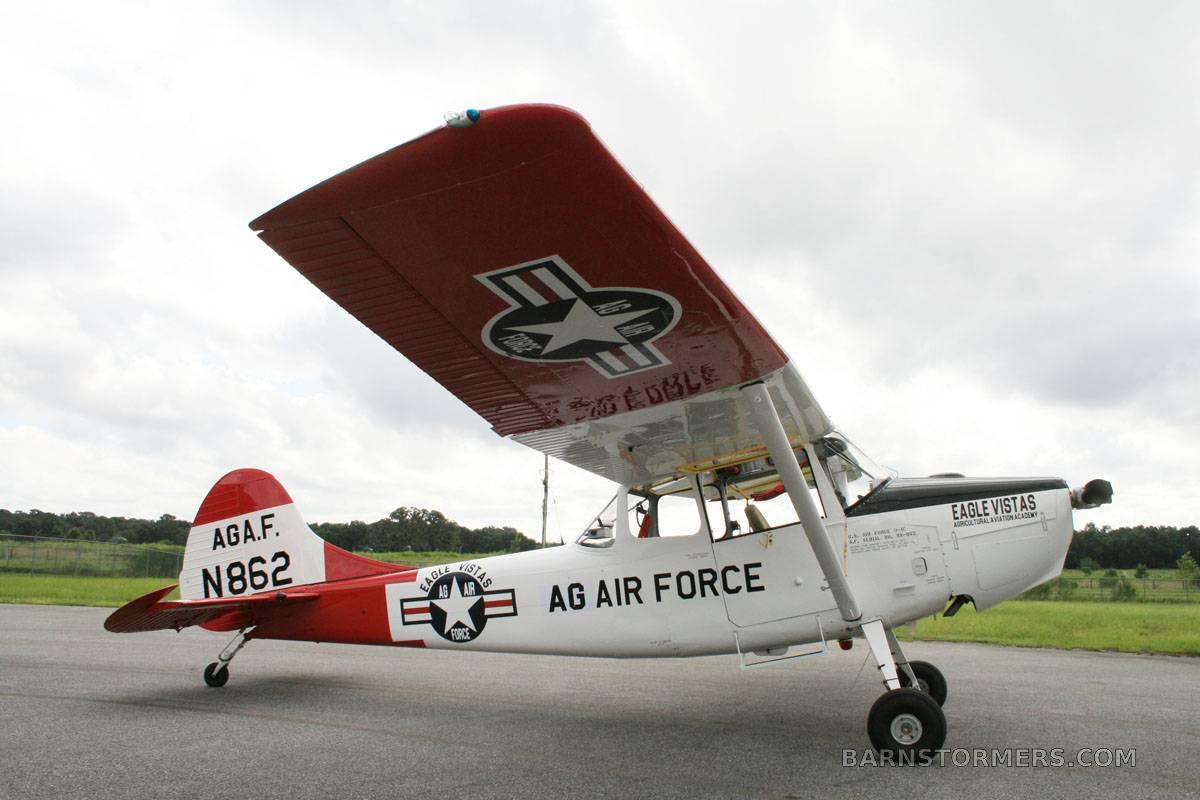
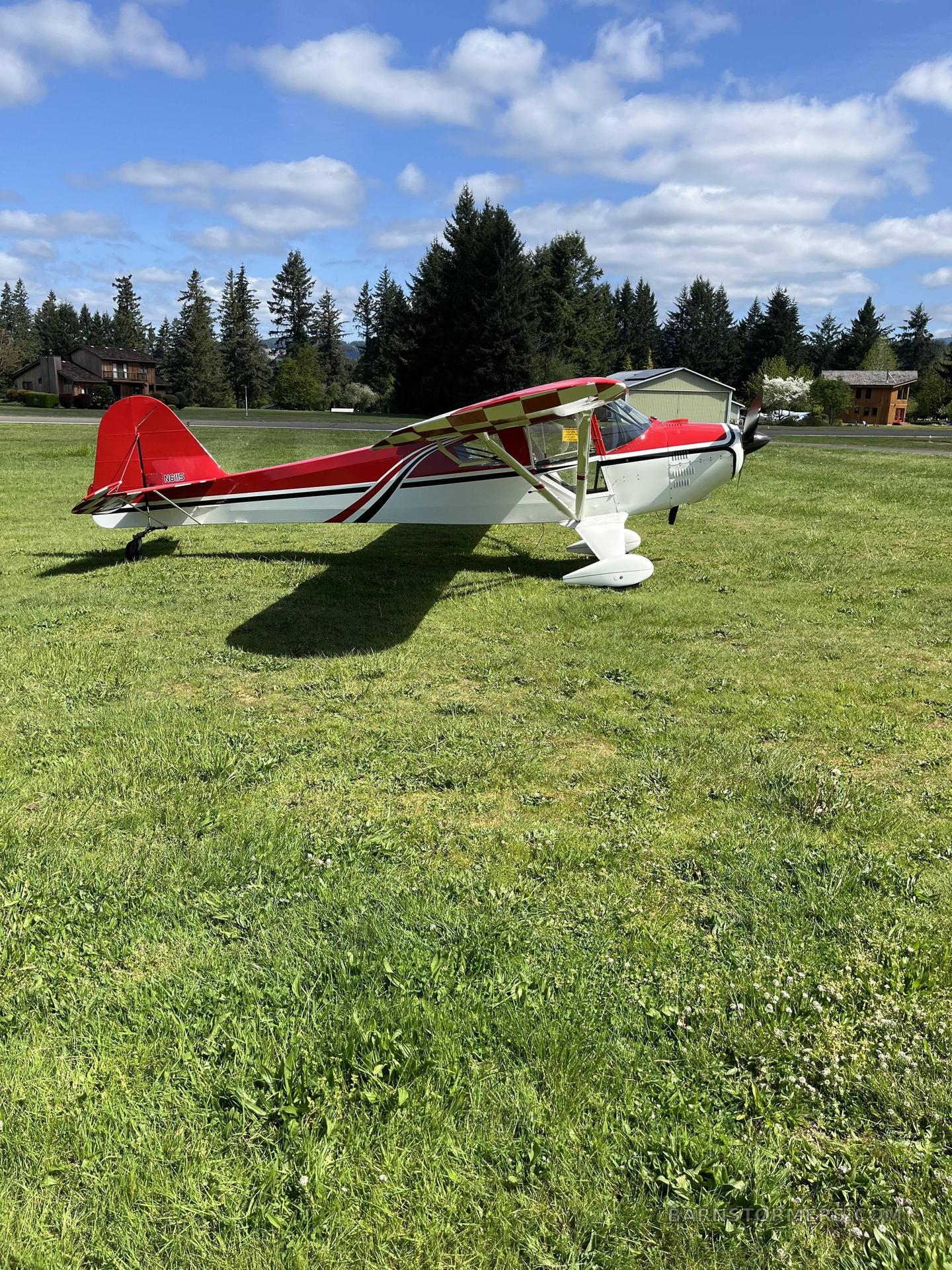
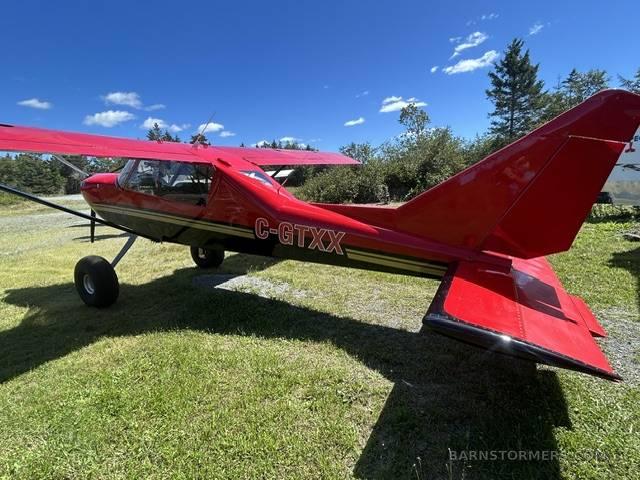
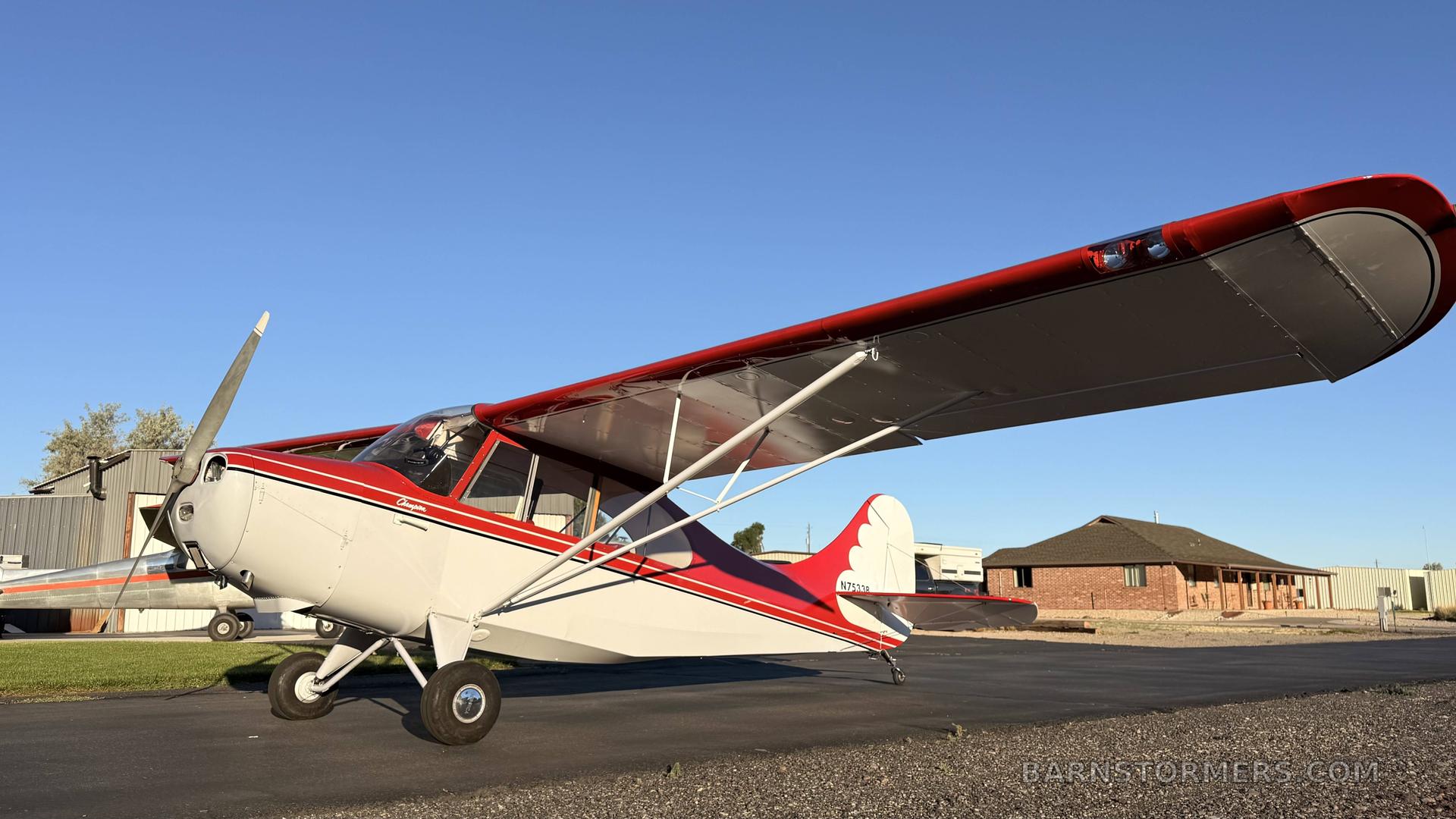
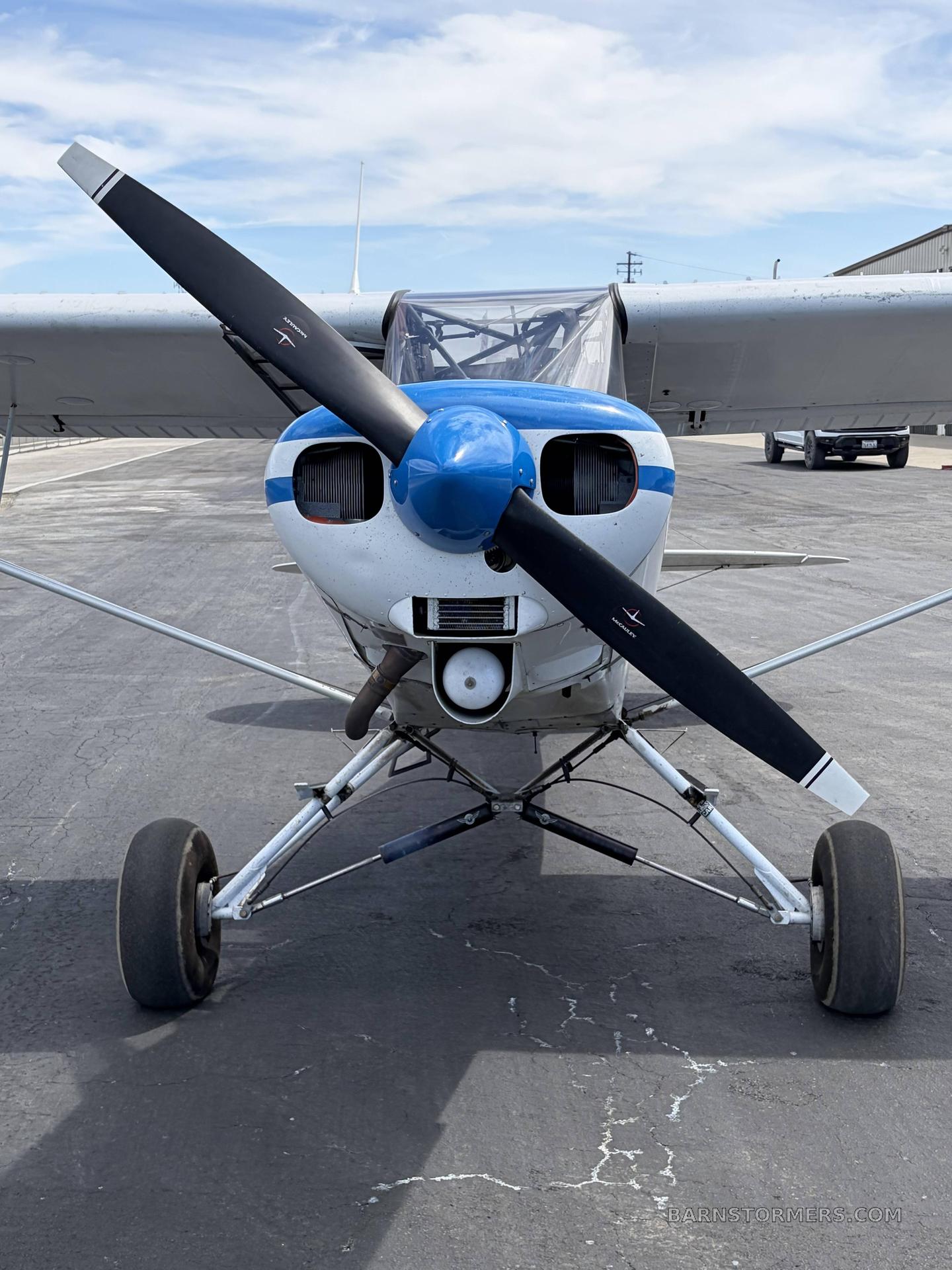
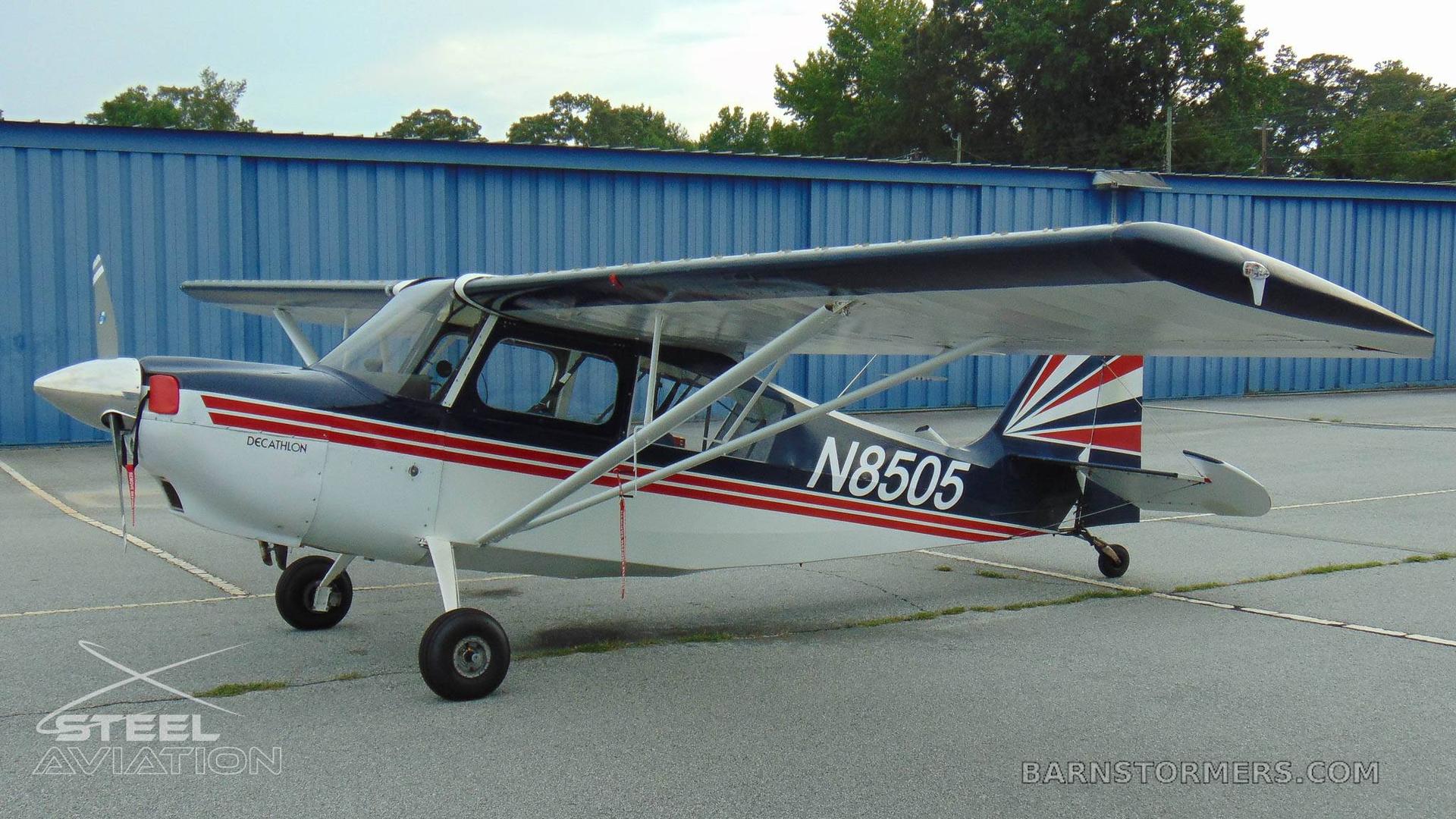
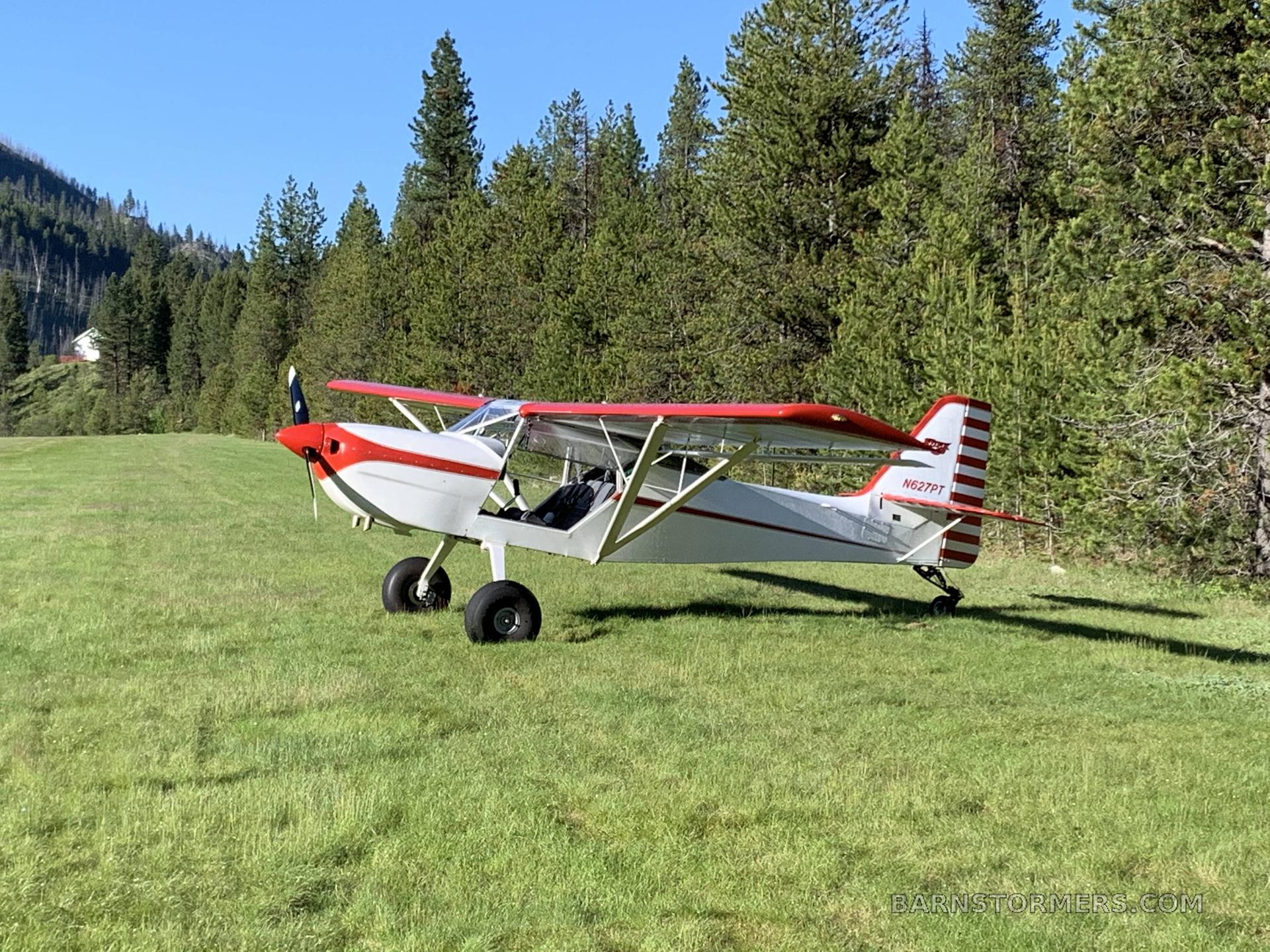
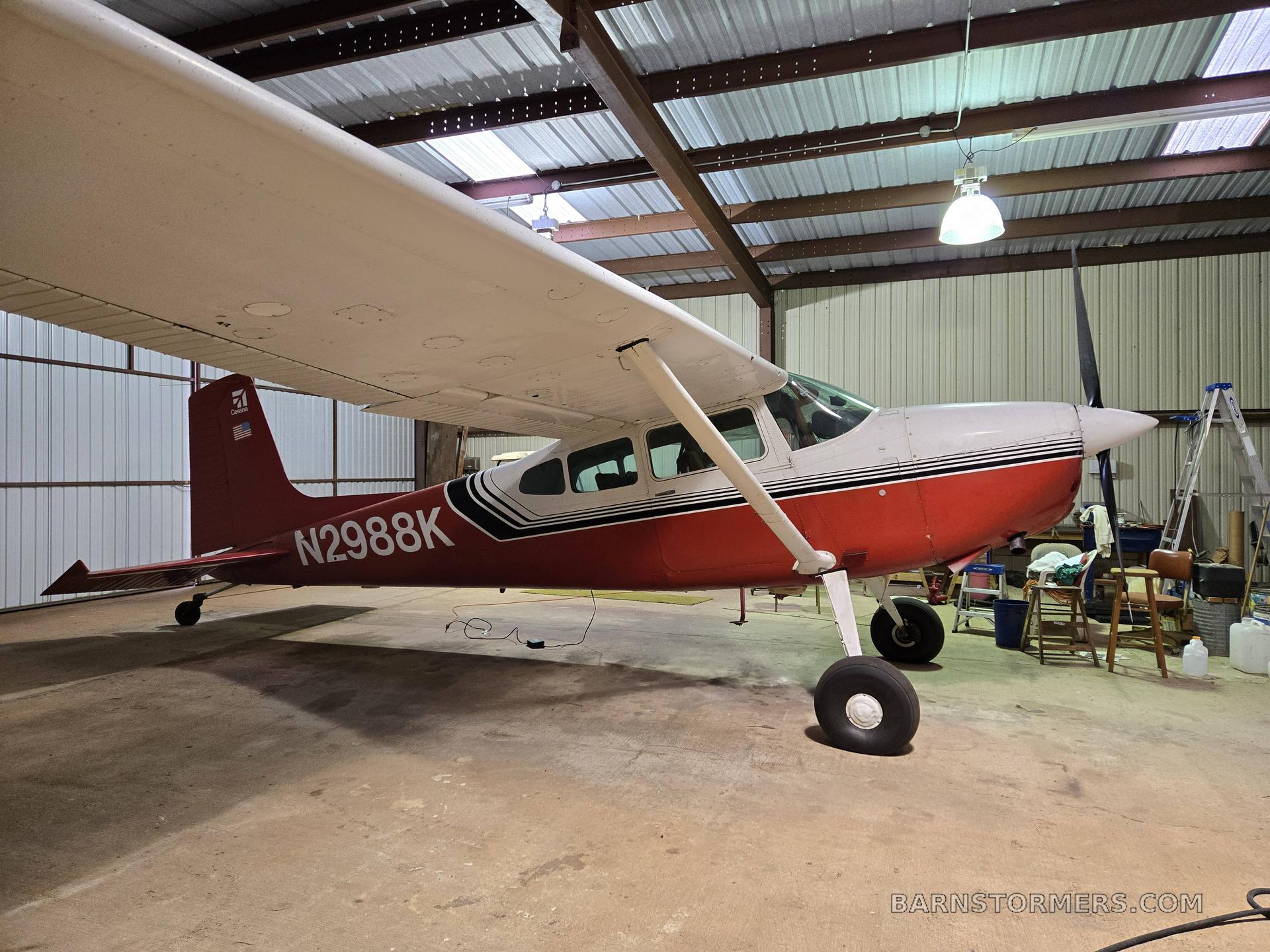
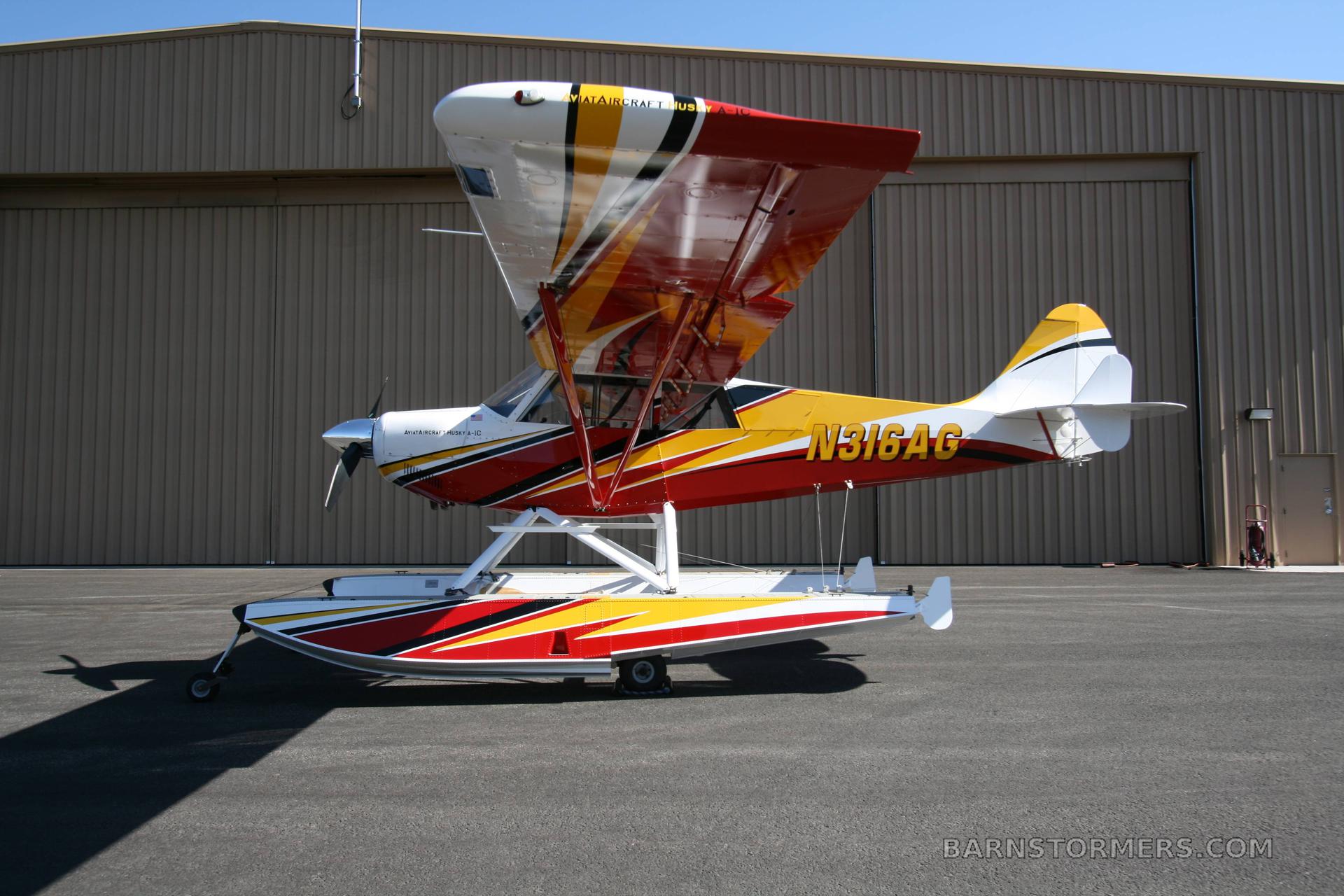
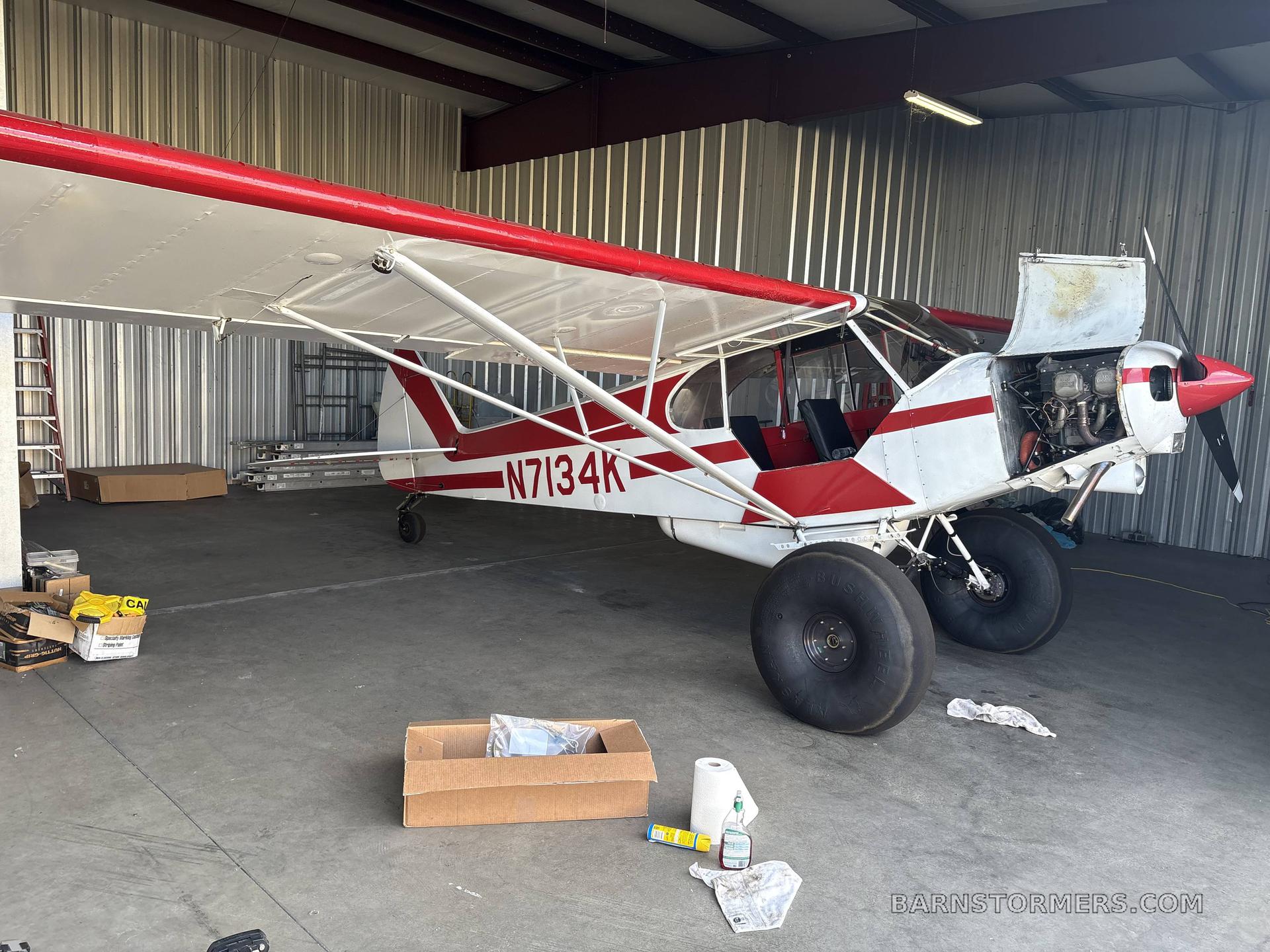
A tailwheel aircraft — a "taildragger" — carries its third wheel under the tail instead of the nose. That conventional-gear layout sits behind much of backcountry and bush flying: it handles rough, unimproved strips well, keeps the propeller higher off the ground, and rewards precise stick-and-rudder technique. Classic taildraggers also have a devoted following simply because they are a joy to fly.

The trade-off is on the ground. Tailwheel aircraft are less forgiving during takeoff and landing and can ground-loop if mishandled, so a tailwheel endorsement is required and insurers will look closely at your time-in-type and recent experience. If you are stepping into one for the first time, budget for transition training and expect the insurance conversation to focus on it.

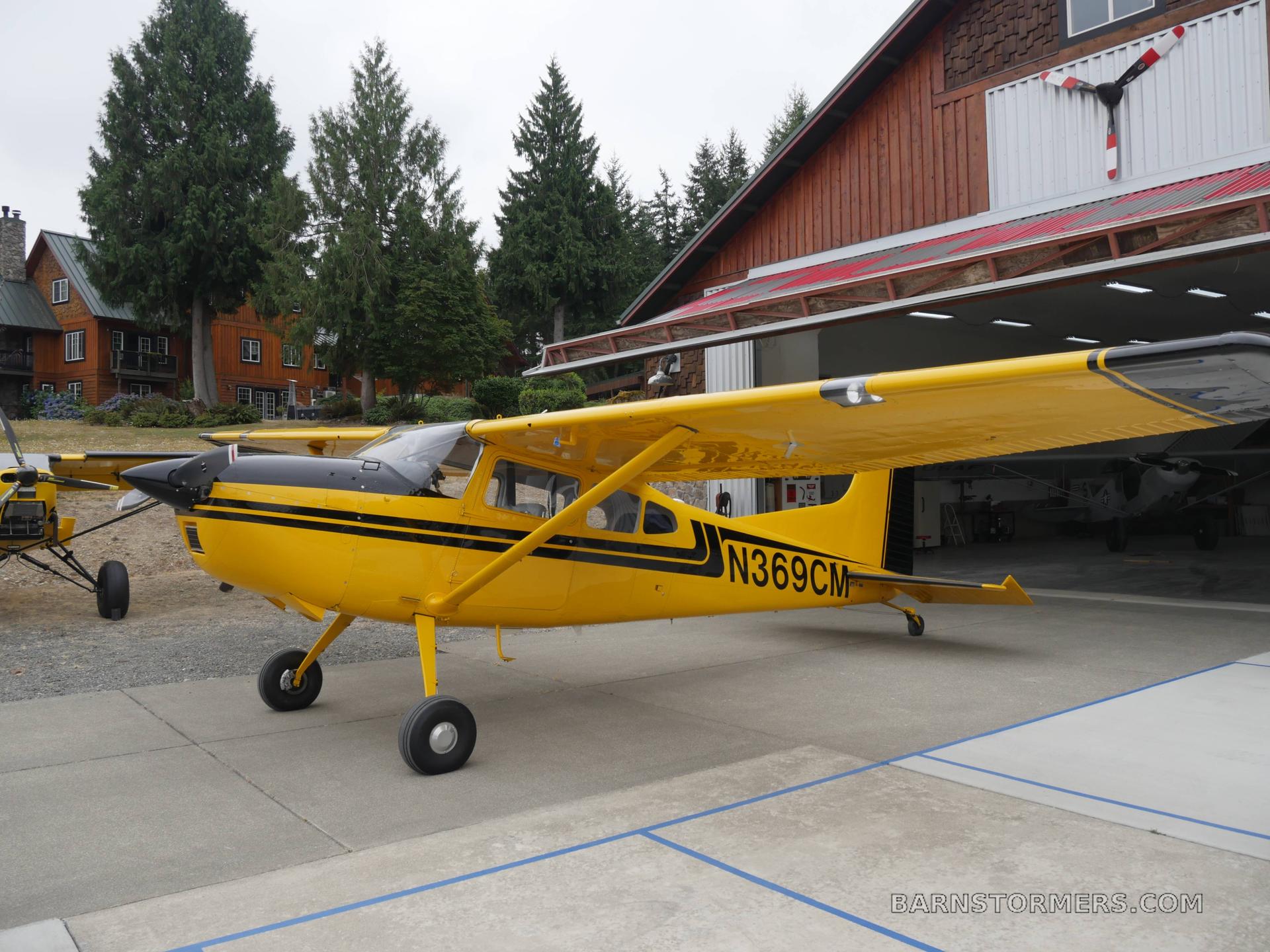
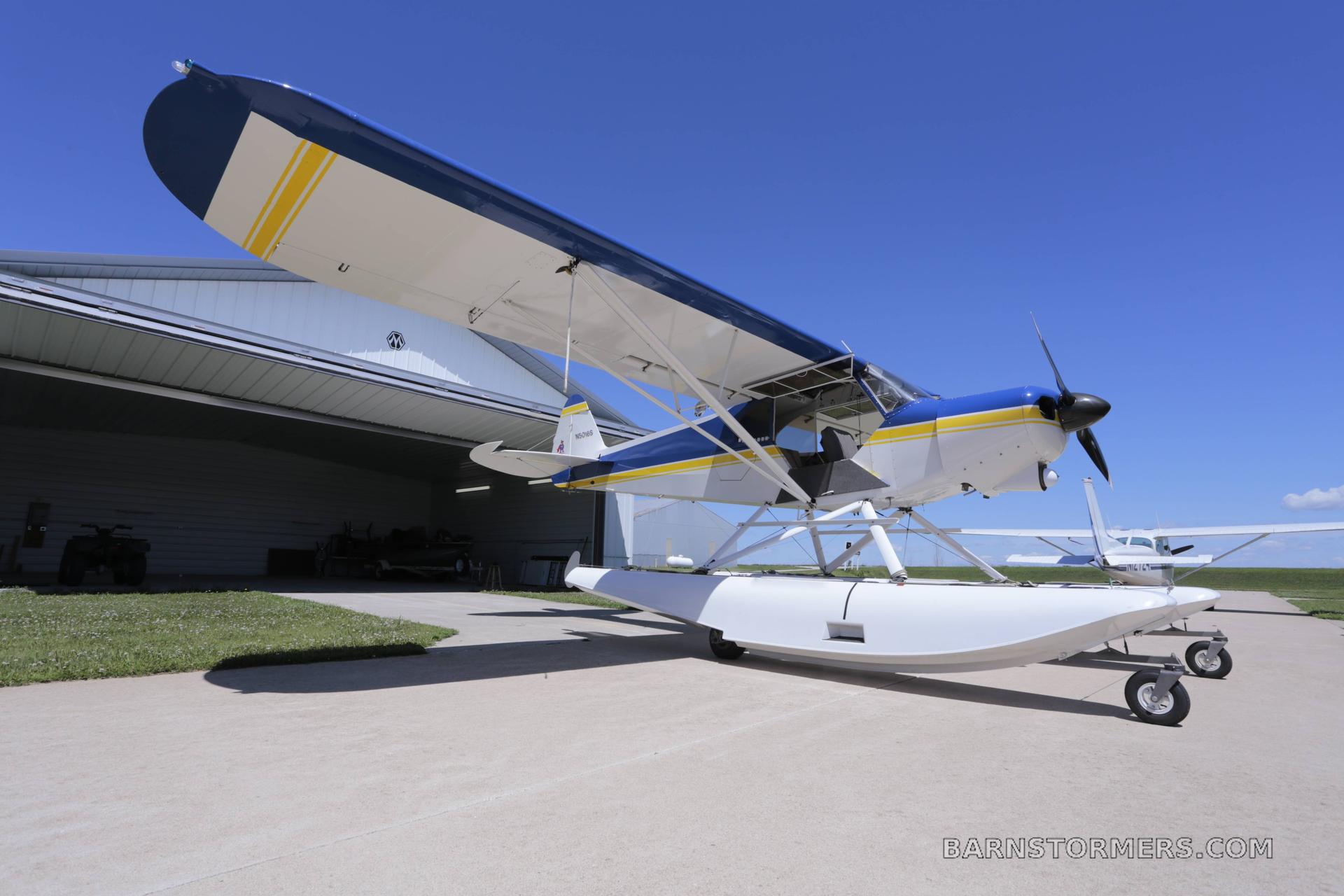
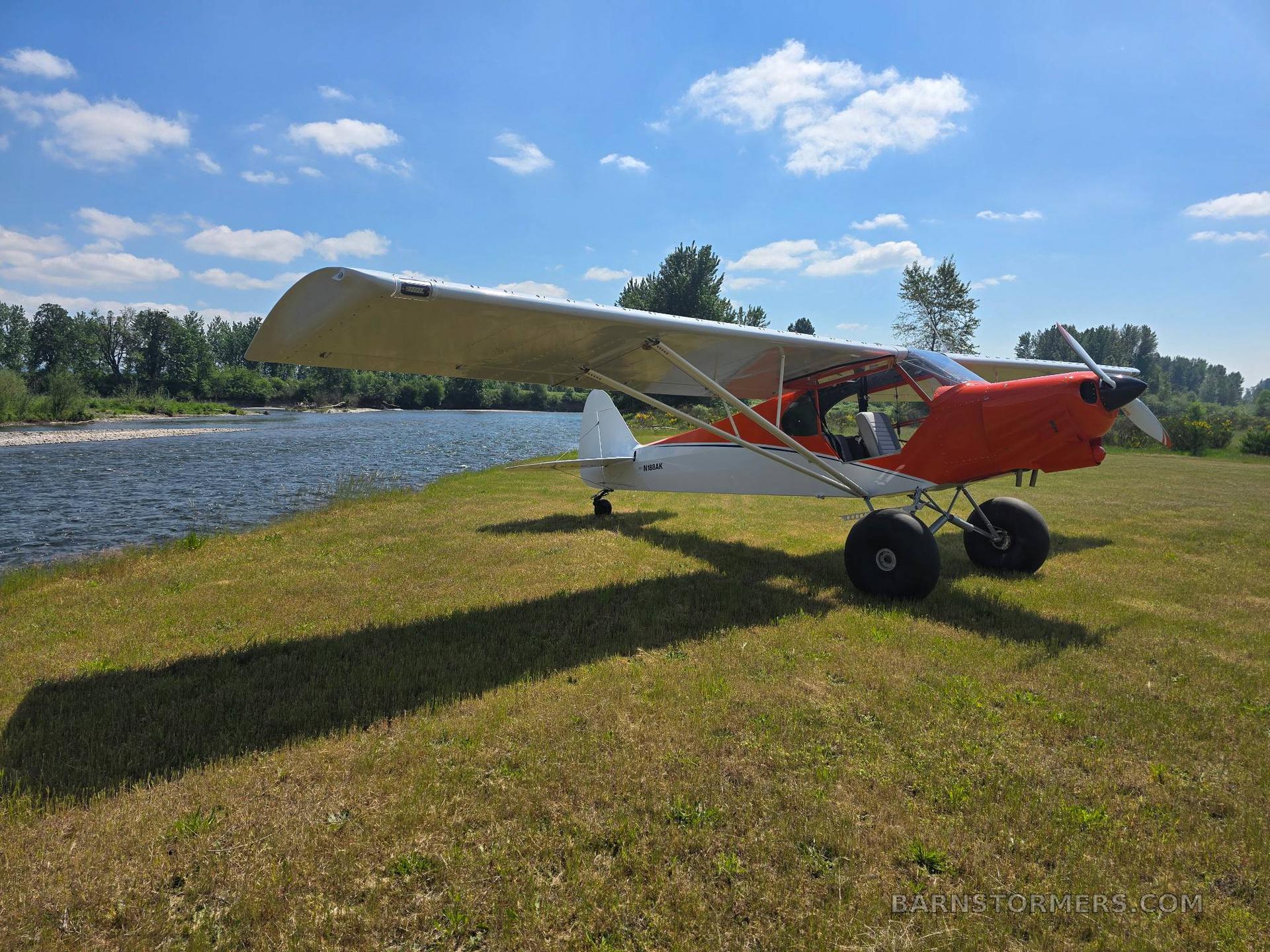
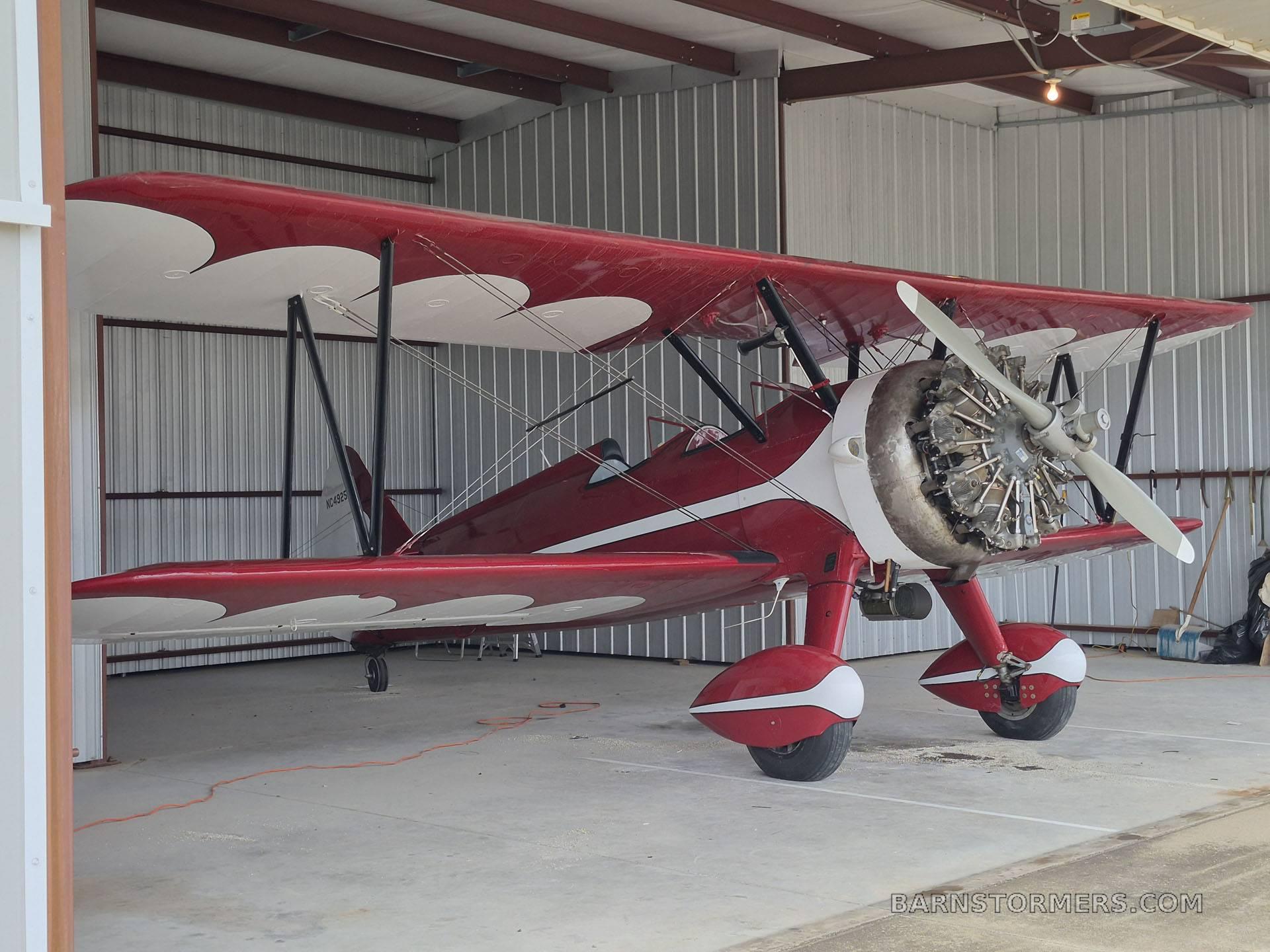
The listings below are the aircraft in our inventory described as tailwheel or conventional-gear. Confirm the gear configuration, recent damage history, and any required endorsements on the source listing and in the logs before you commit.

Tailwheel aircraft listings

Listings are aggregated from third-party sites and link back to the original source. ClubHanger is not the seller. Listing data may be out of date — confirm details on the source listing.

Get alerts for new Tailwheel aircraft for sale listings

We'll email you when a new Tailwheel aircraft for sale aircraft is listed. One email field, no account needed.

Tailwheel — frequently asked questions

Quick answers for buyers and prospective co-owners.

Do I need a tailwheel endorsement?

Yes. To act as pilot in command of a tailwheel aircraft you need a one-time logbook endorsement from an instructor after training in takeoffs, landings, and ground handling. There is no expiration on the endorsement itself, but insurers will still look at your recent tailwheel experience.

Why are tailwheel aircraft harder to land?

With the main wheels ahead of the center of gravity, a taildragger is directionally less stable on the ground than a nosewheel aircraft and can ground-loop if a swerve is not corrected promptly. That is exactly why they reward precise stick-and-rudder technique, and why transition training matters before you fly one solo.

What are tailwheel aircraft good for?

The conventional-gear layout handles rough, unimproved, and short backcountry strips well and keeps the propeller higher off the ground, which is why taildraggers dominate bush and backcountry flying. Many pilots also simply enjoy them for the hands-on flying experience and the classic types available.

Will insurance cost more for a taildragger?

Often, especially for a low-time-in-type pilot, because the ground-handling risk is higher. Underwriters typically focus on your total time, tailwheel time, and recent experience, and may require a number of dual hours before solo. Get an insurance quote before you commit to a purchase.

Buying a plane?

Plain-English guides to help you buy and own with confidence.