ClubHanger

STOL and Backcountry Aircraft for Sale

Short-field specialists for bush strips and off-airport adventure flying.

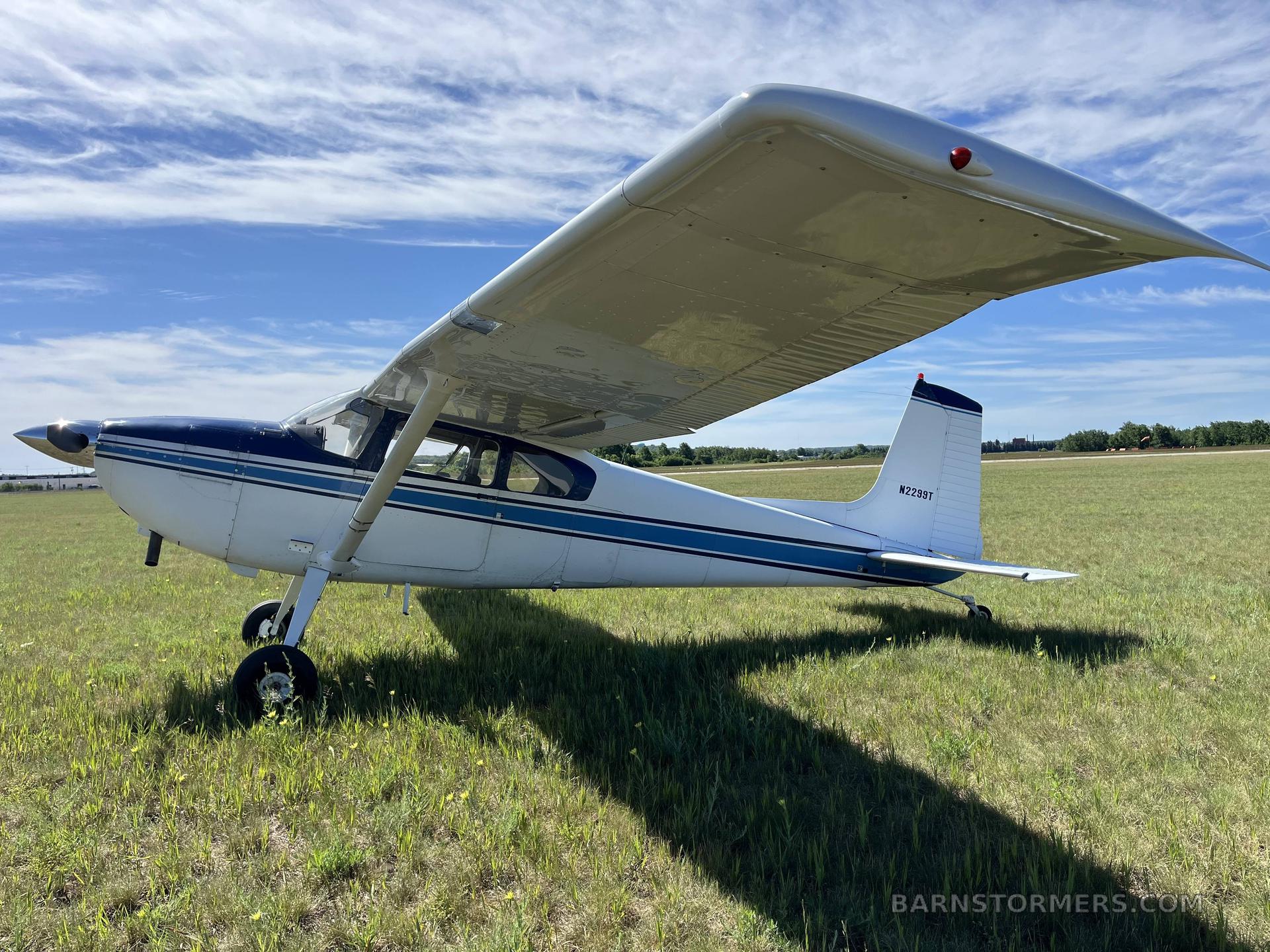
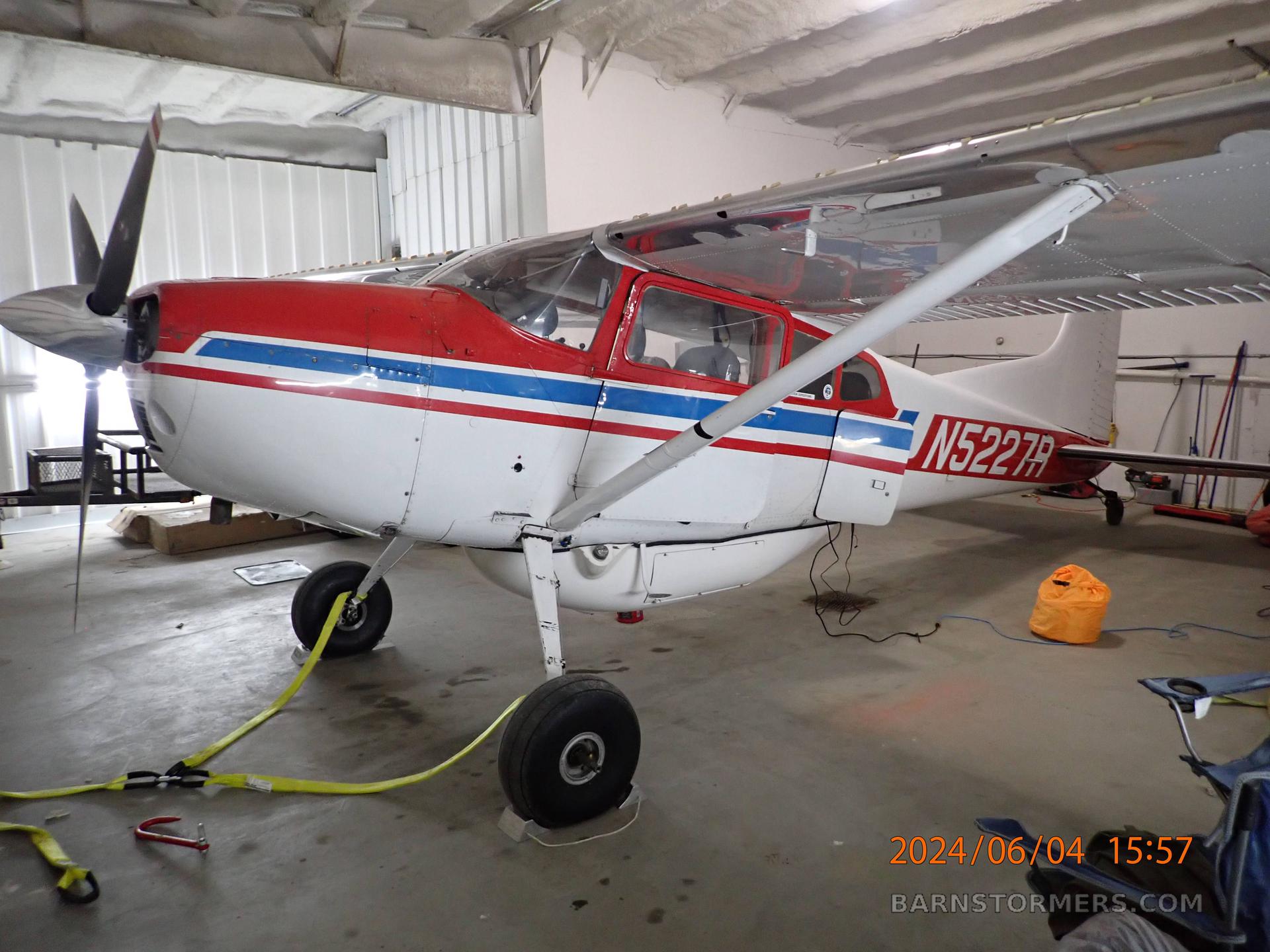
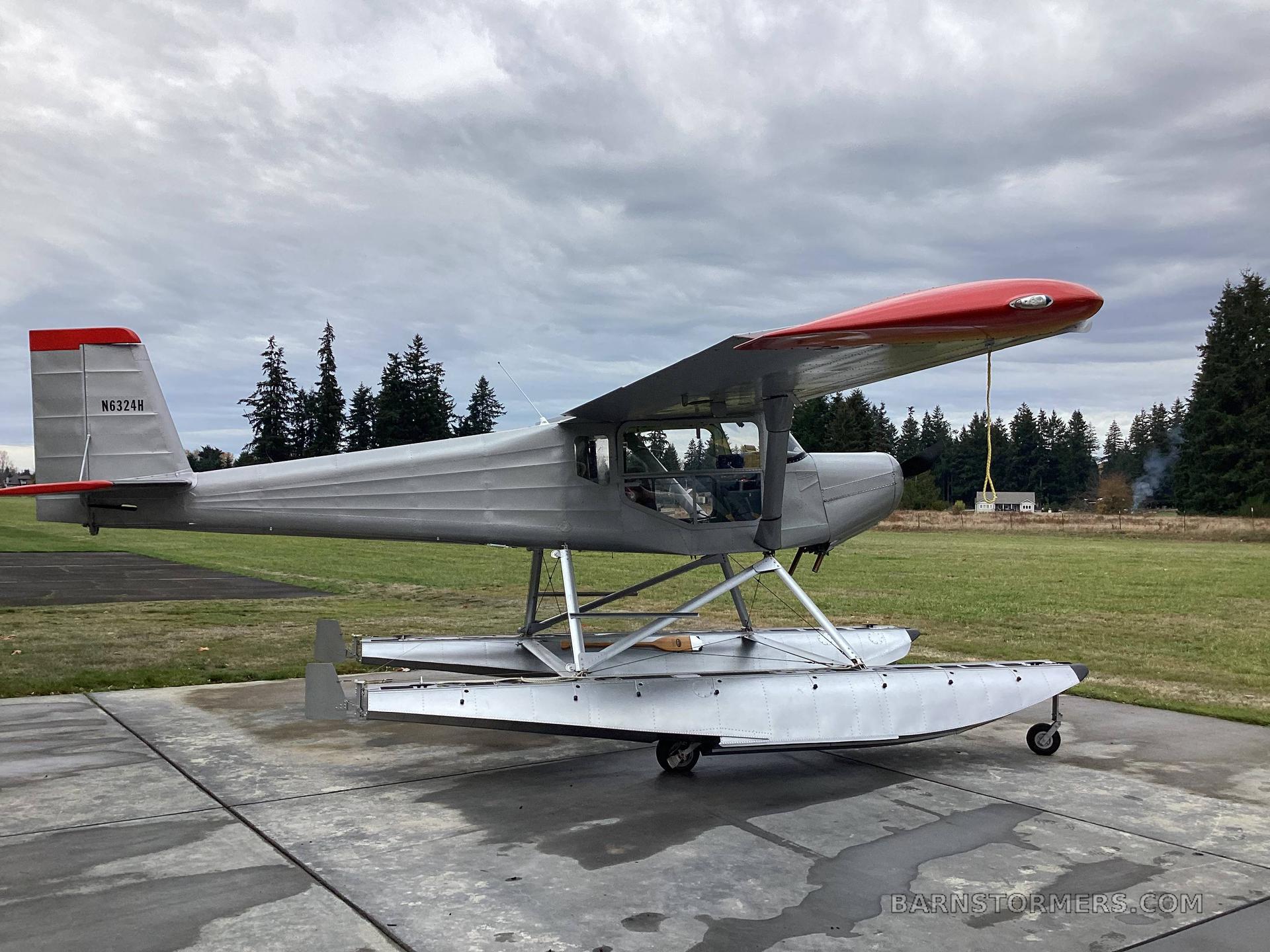
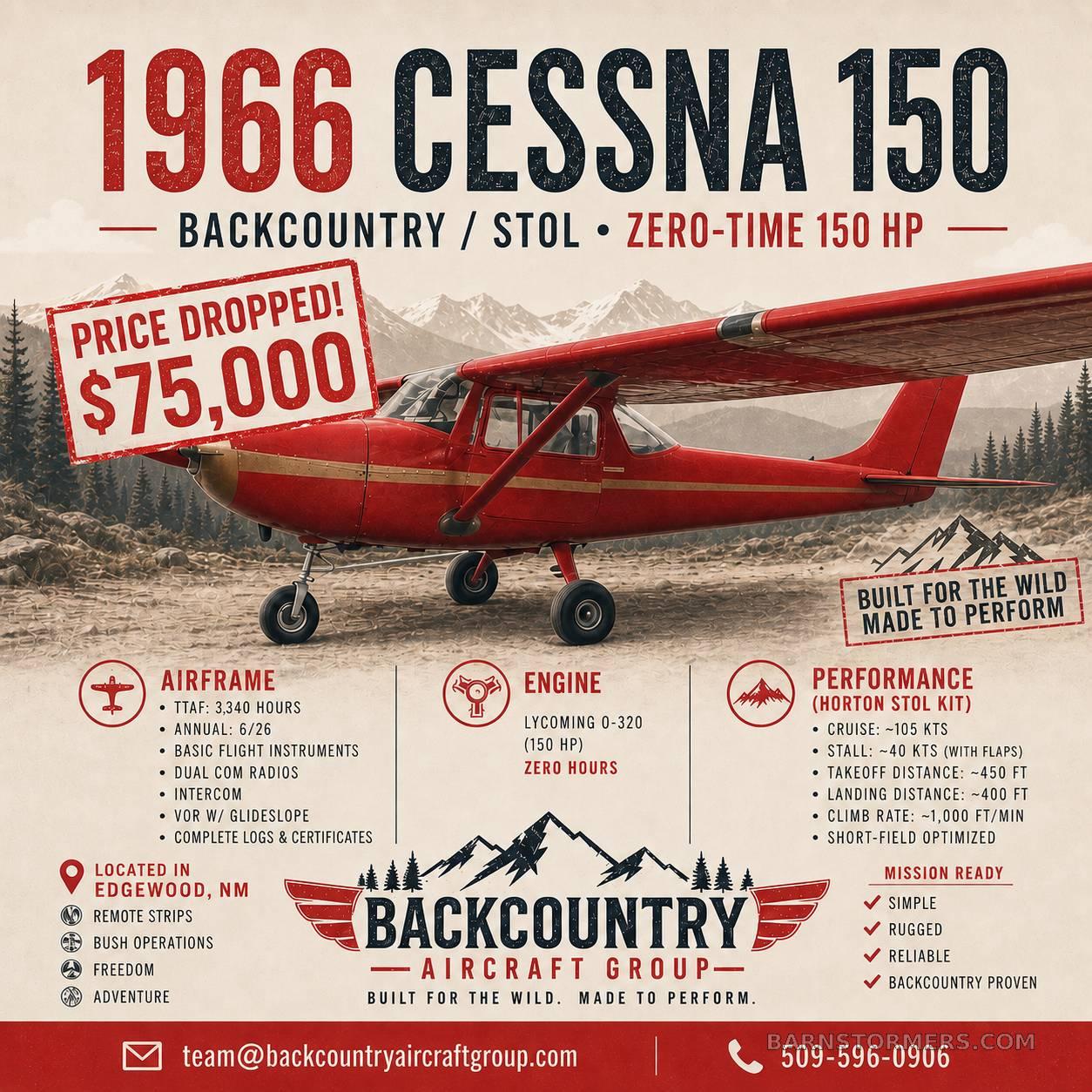
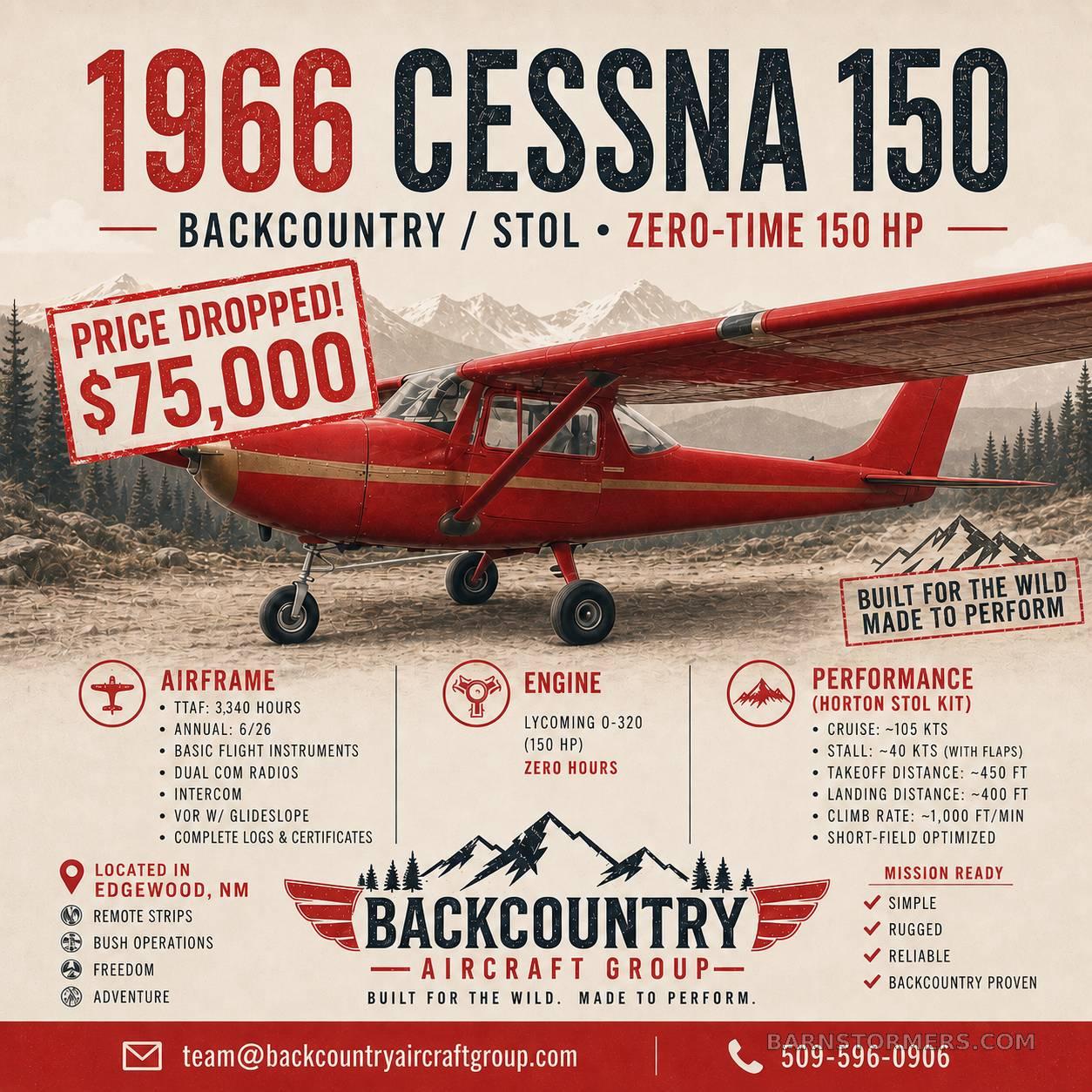
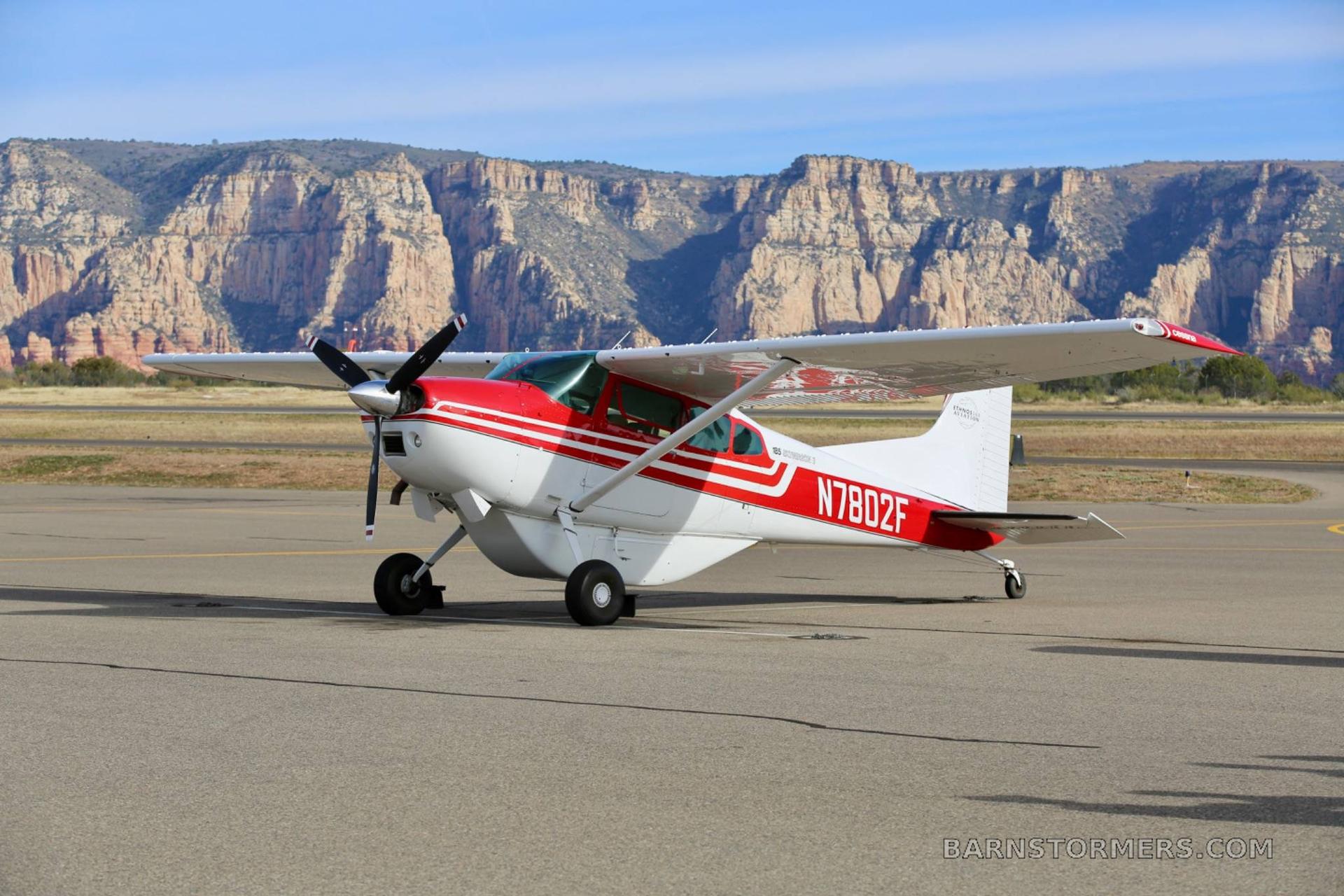
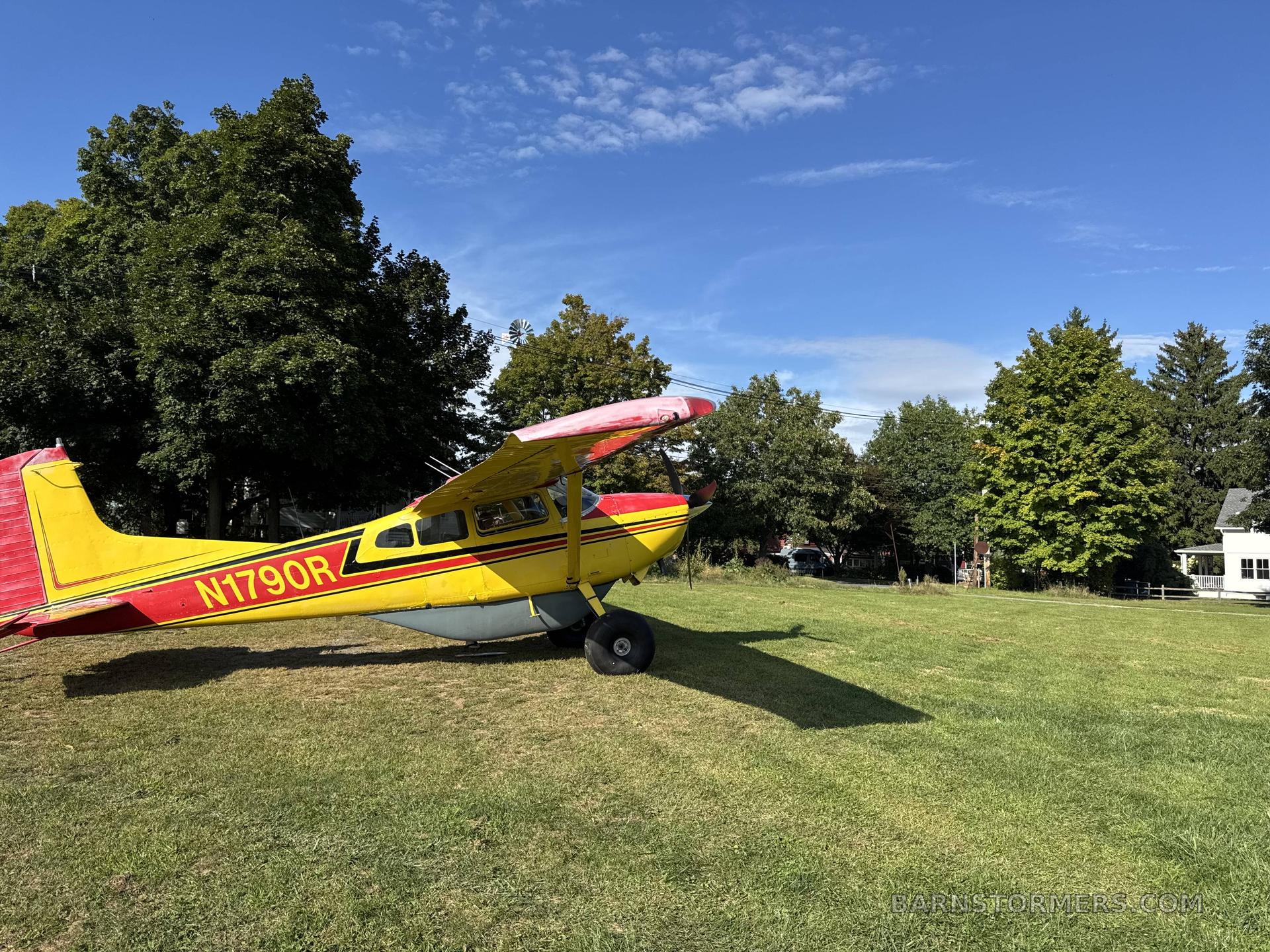
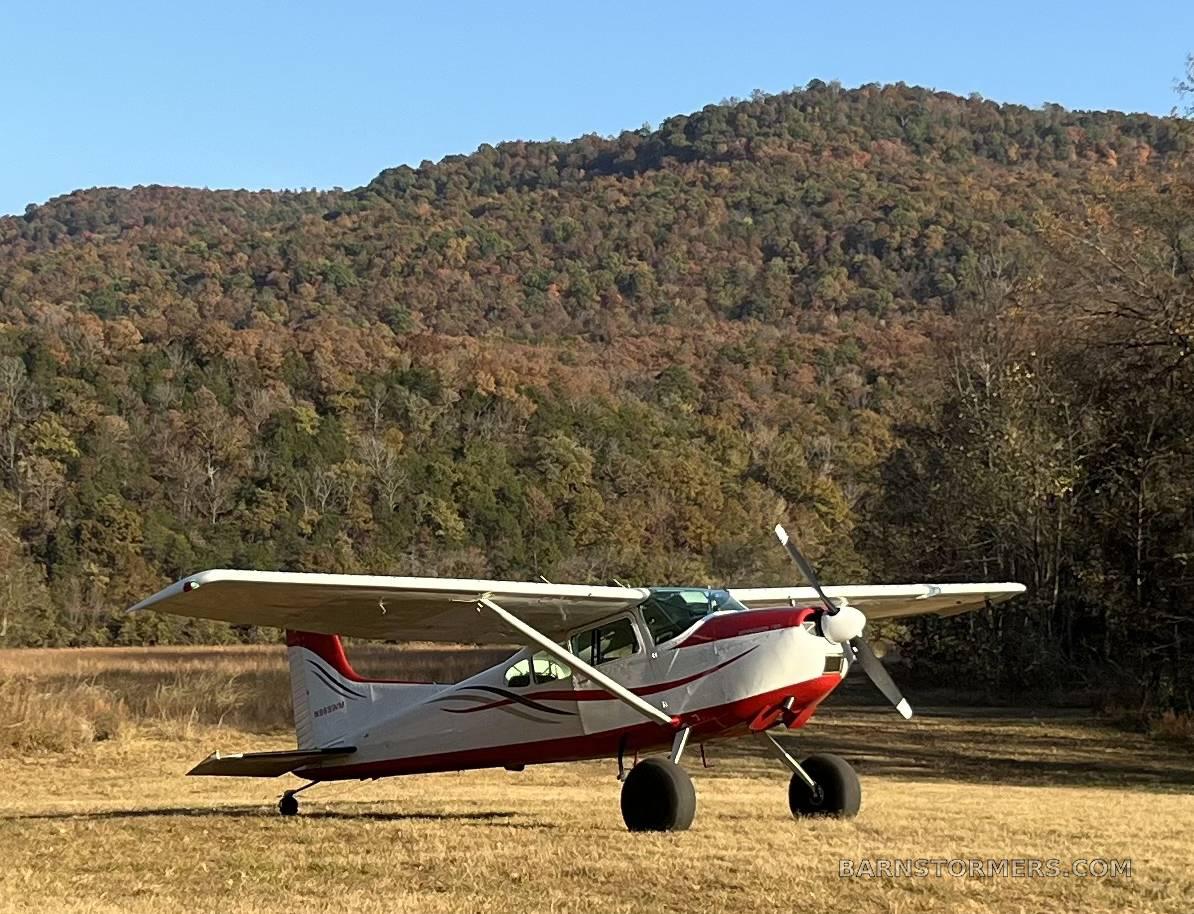
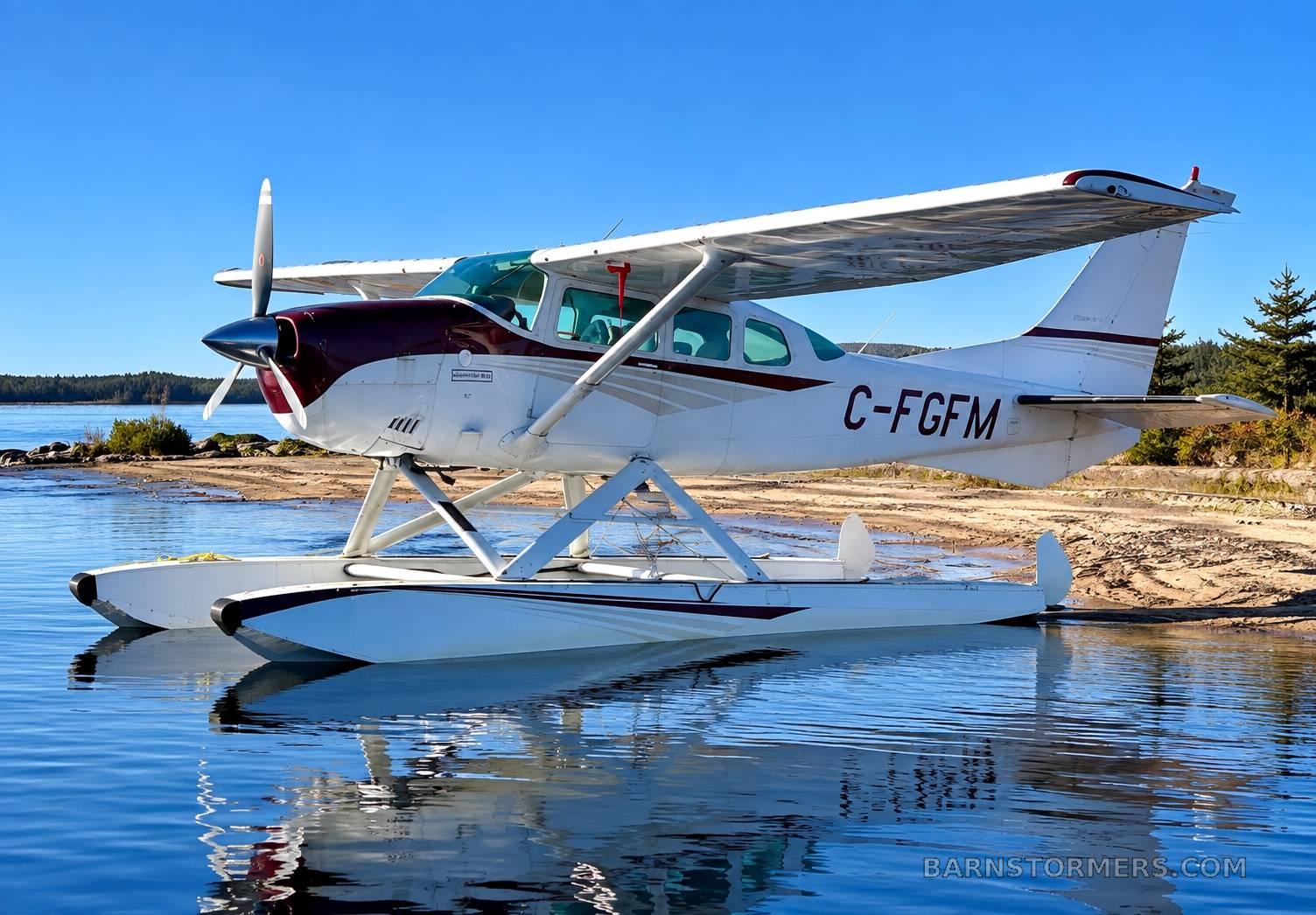
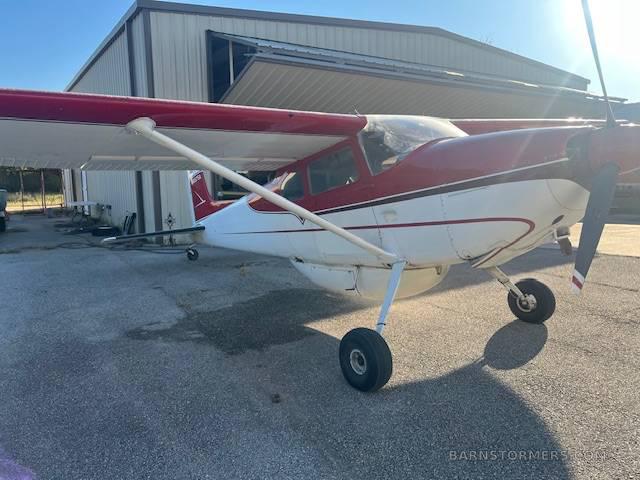
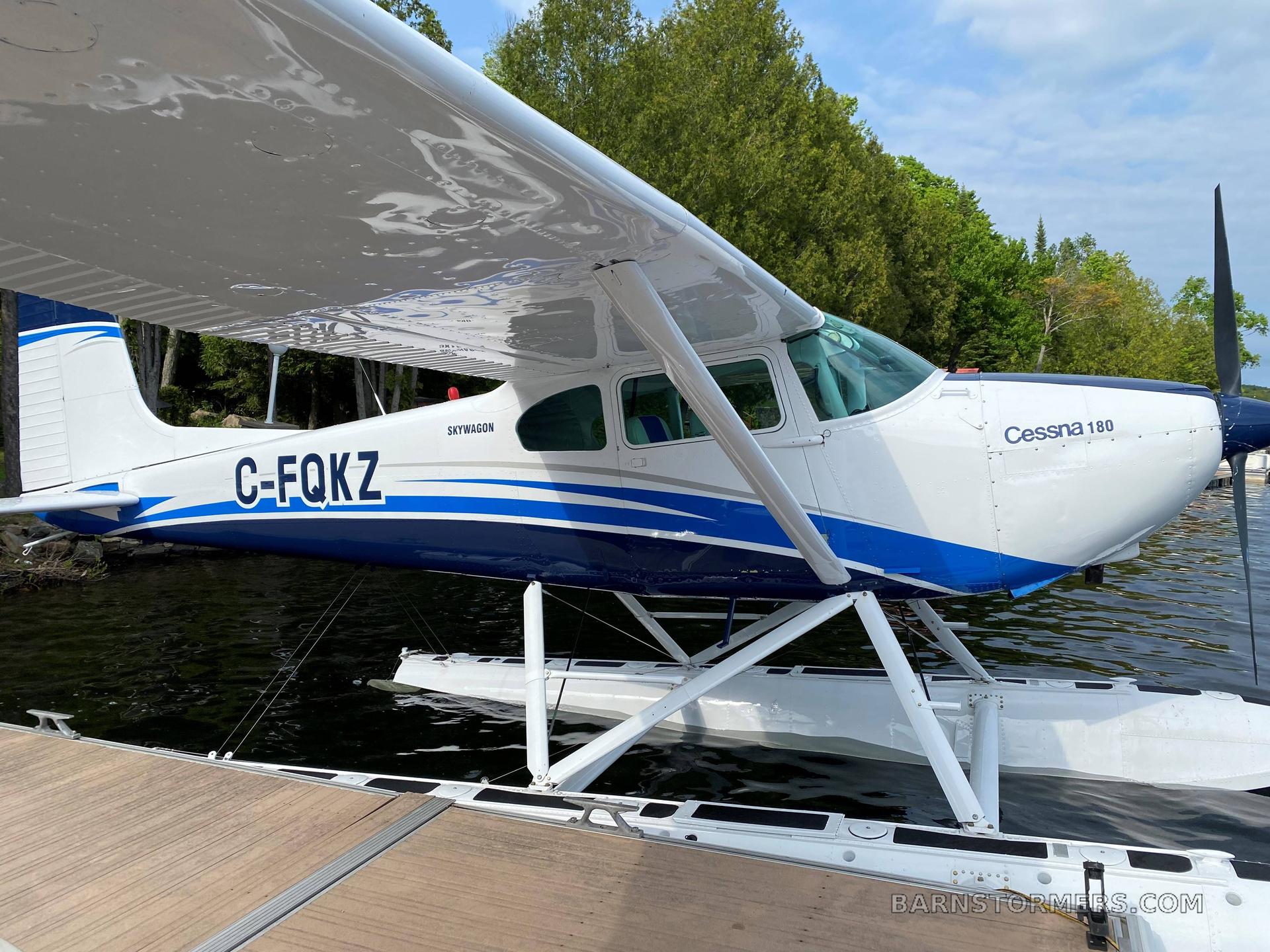
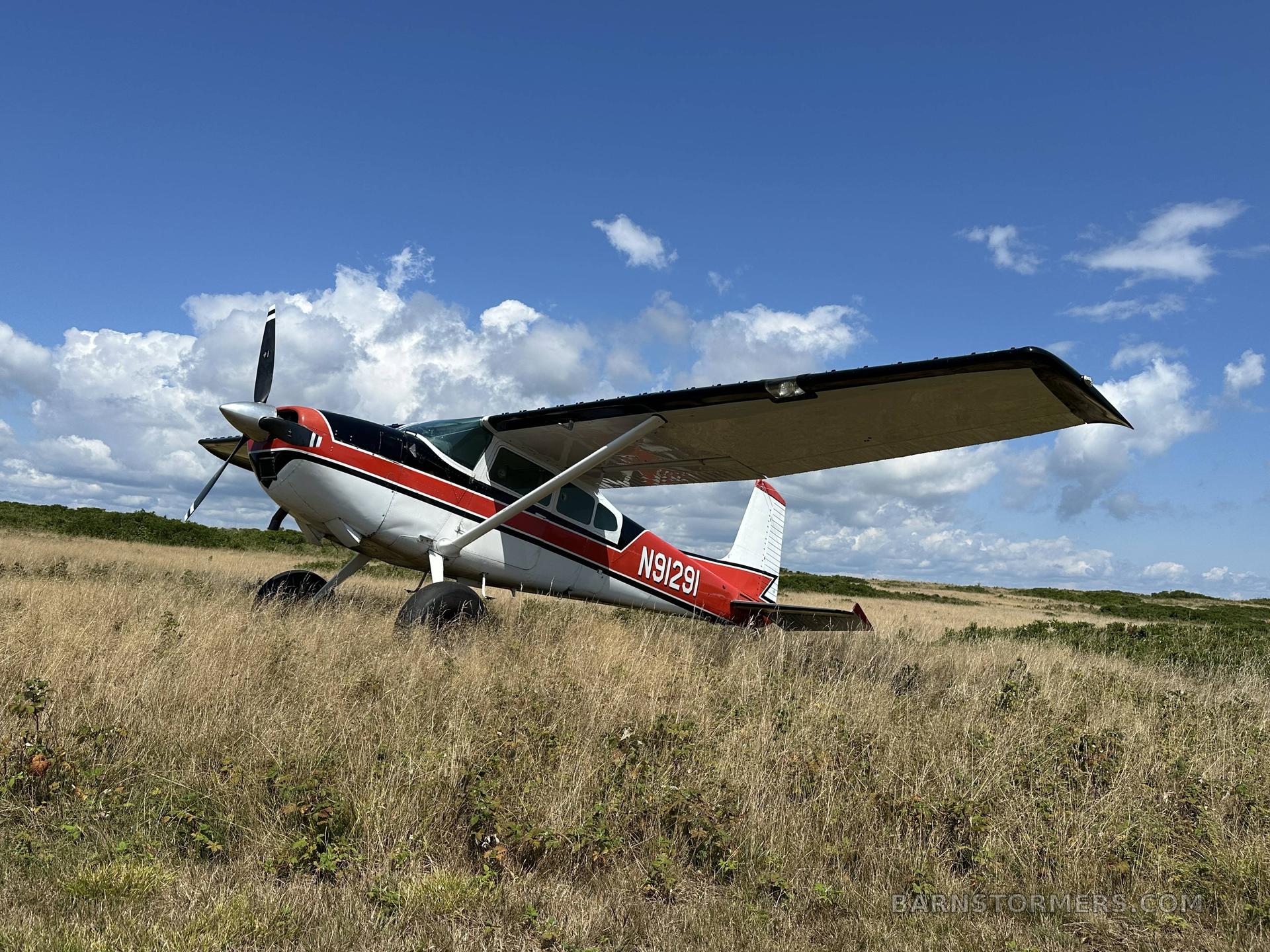
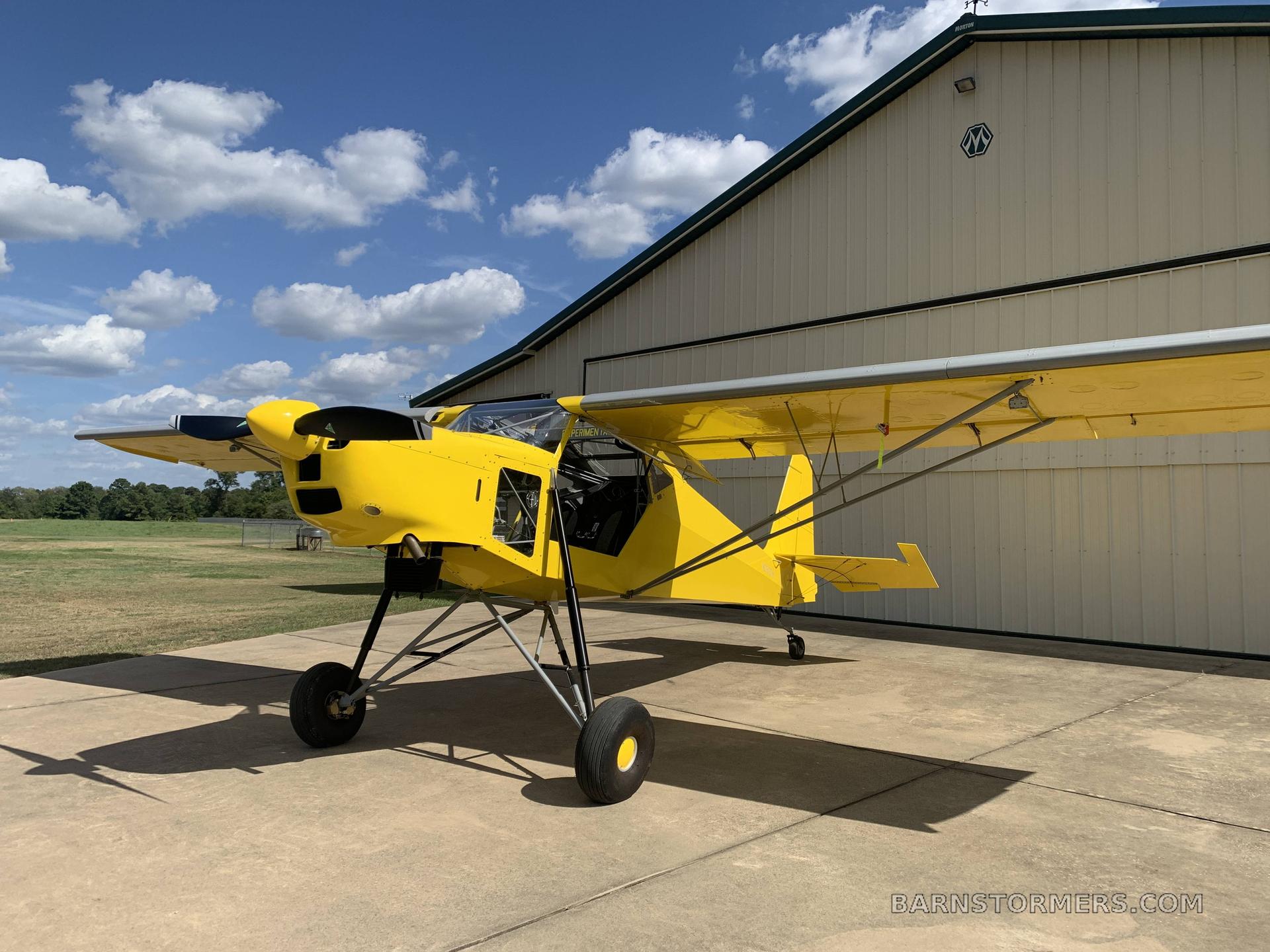
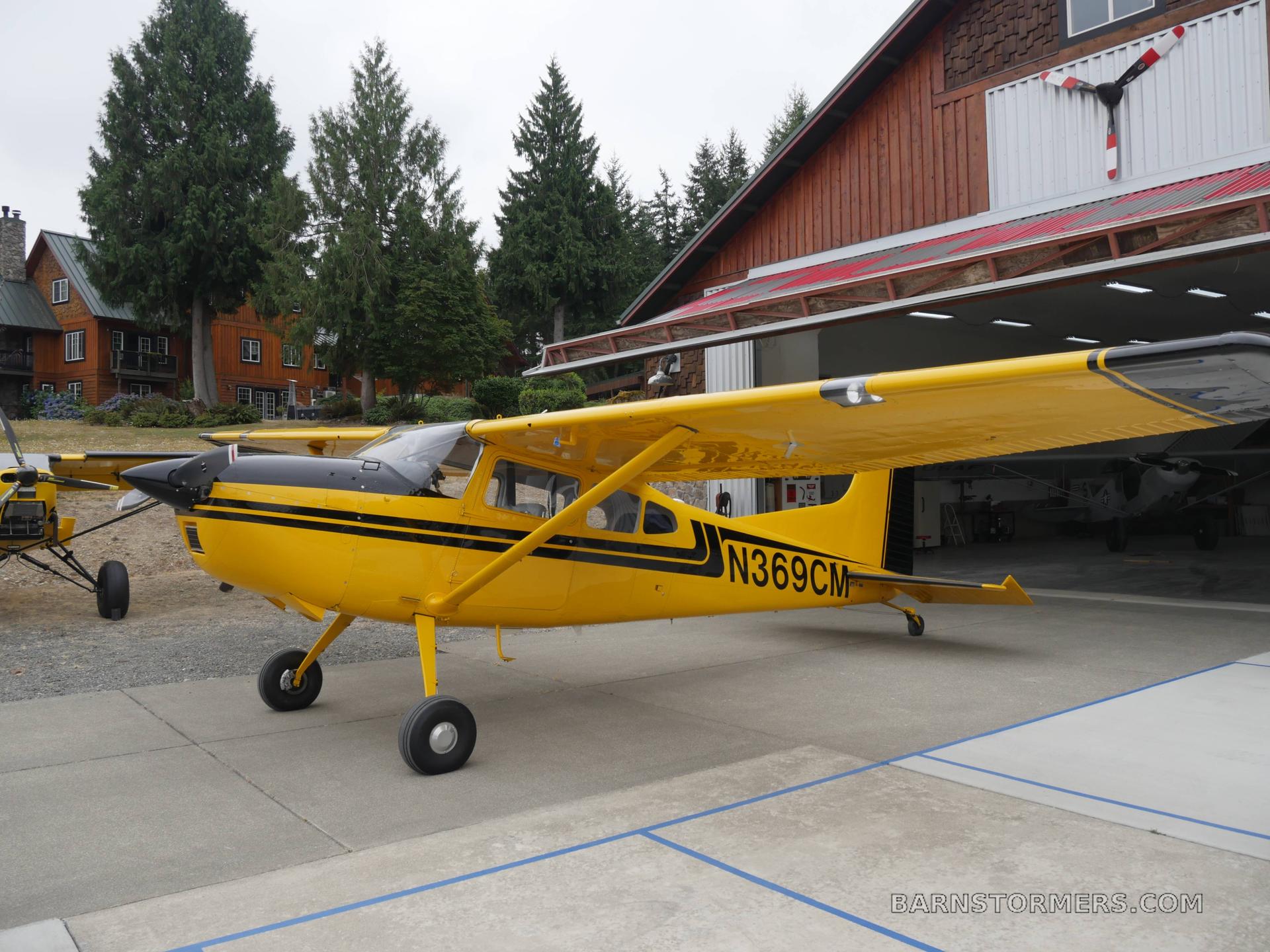
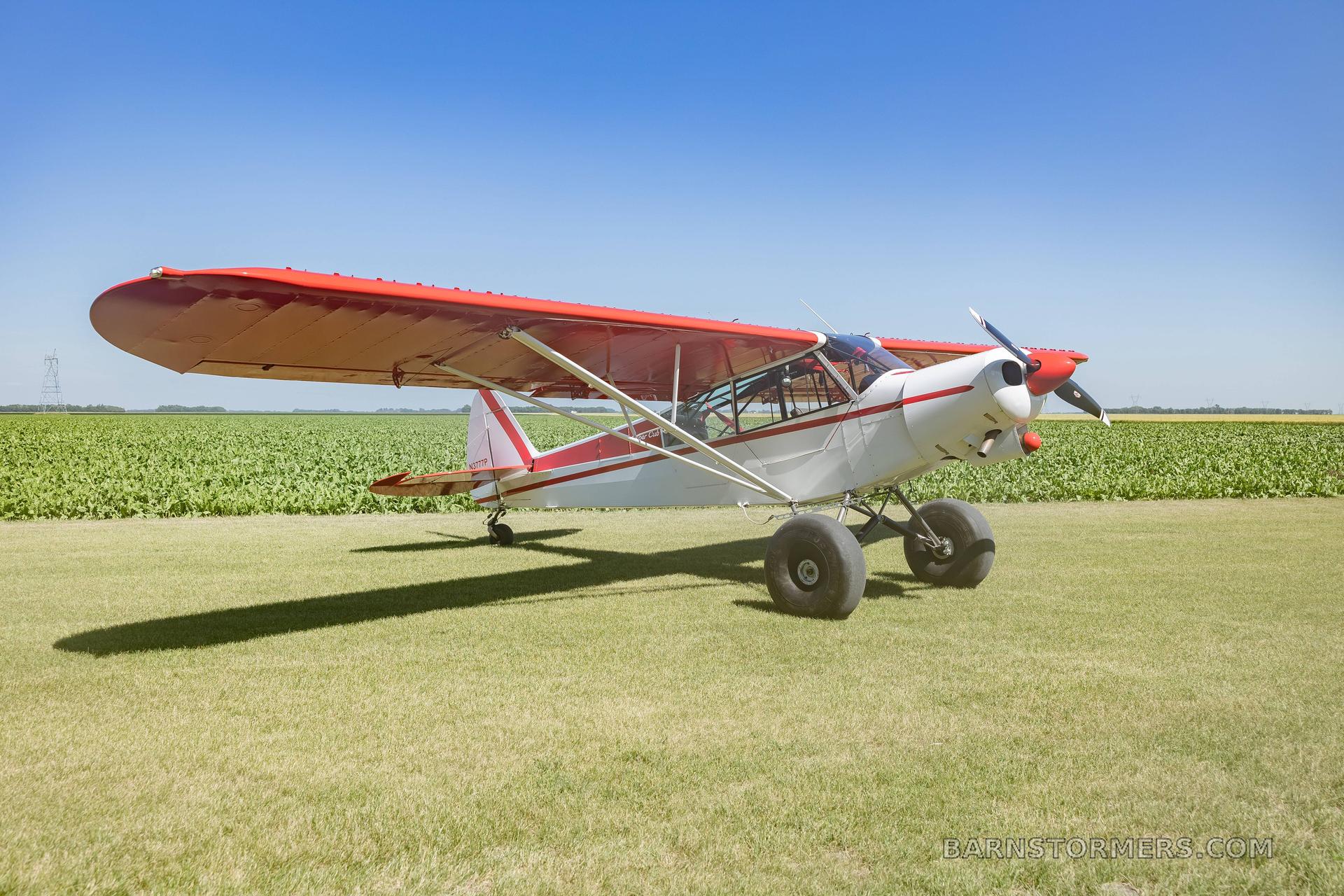
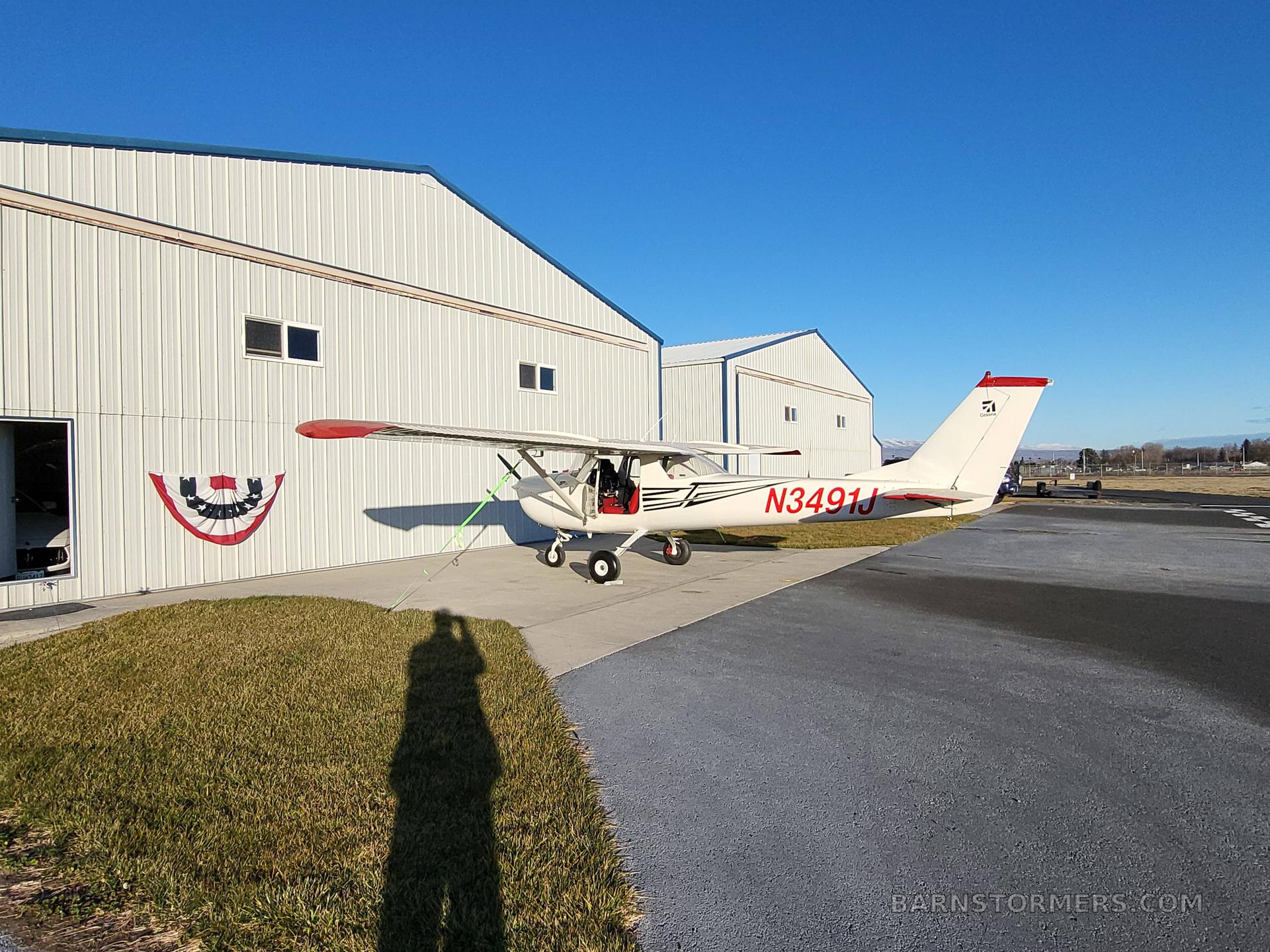
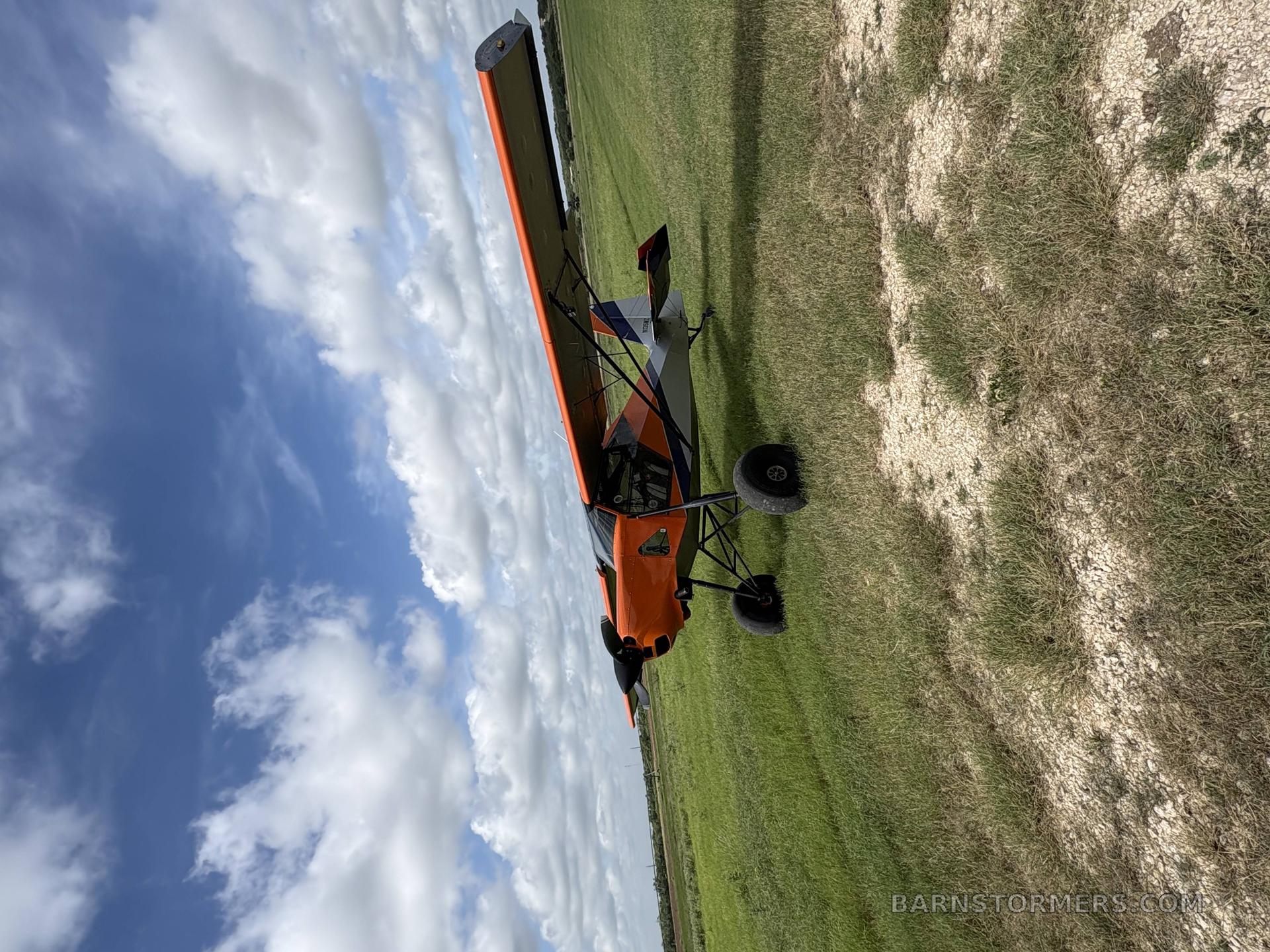
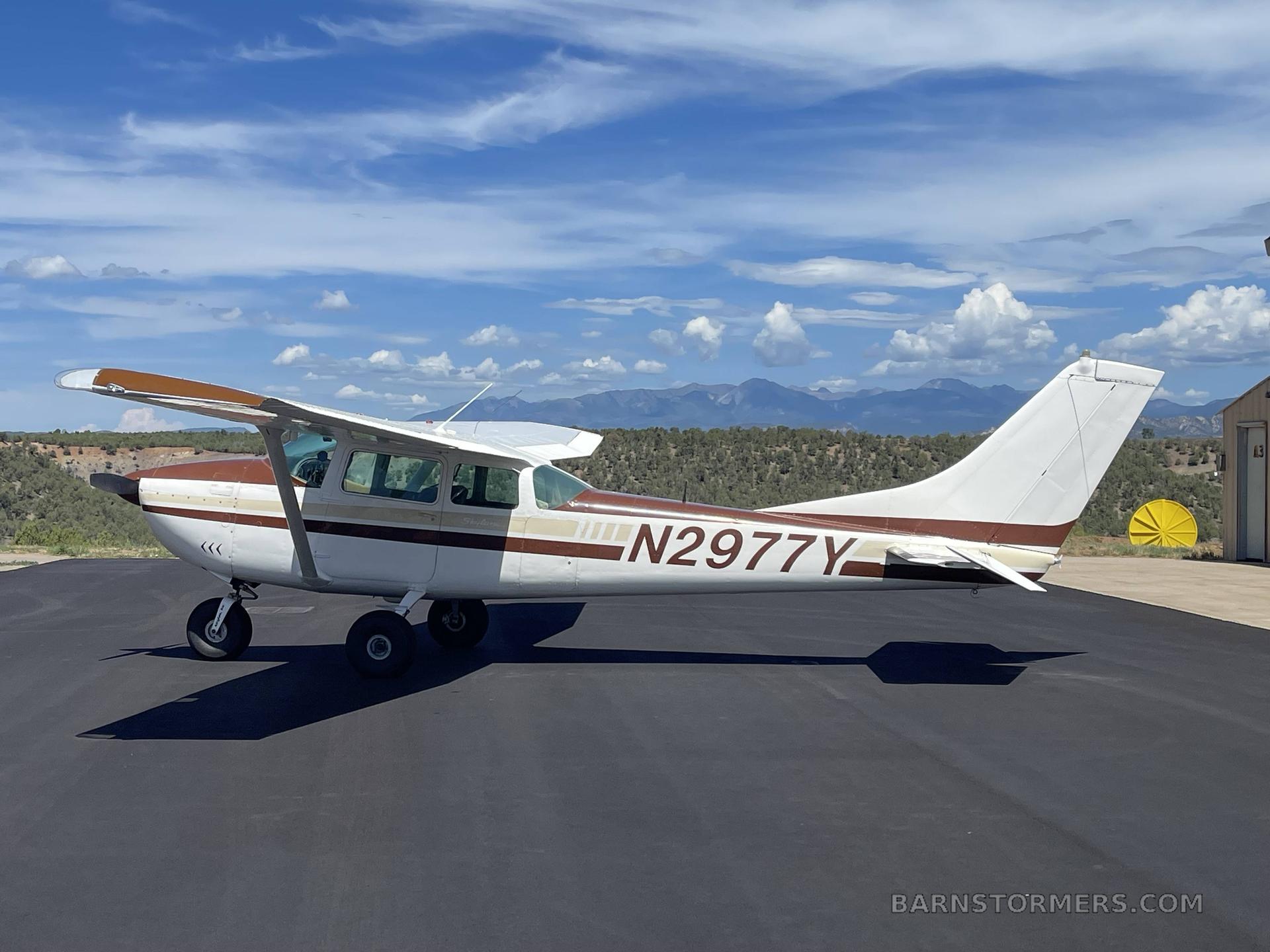
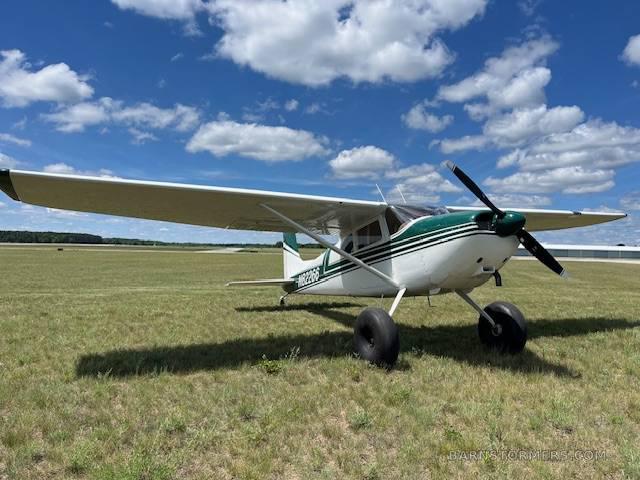
STOL — Short Takeoff and Landing — aircraft are purpose-built or purpose-modified for operating from short, rough, and unimproved strips far off the paved-airport grid. High-lift wings (often with leading-edge cuffs, drooped ailerons, and large Fowler flaps), light and powerful airframes, and tundra tires or floats let these aircraft use strips measured in hundreds of feet rather than thousands. The category is dominated by types like the CubCrafters Carbon Cub, Kitfox, Zenith CH-750, and backcountry-modified Super Cubs — but also includes certified Piper Cubs, Cessna 180 and 185 Skywagon variants on big tires, and even Cessna 172s with STOL kits.

The backcountry community prizes three capabilities above all else: short-field performance (how little runway you really need), payload at that performance (how much gear you can carry), and rough-field durability (gear, prop, and airframe built to bounce through rocks and ruts). Tundra tires dramatically expand the operating envelope, but they also add drag and reduce cruise speed — most backcountry pilots consider that a worthy trade. If you plan to fly remote strips, study the specific performance numbers for the airplane and modification combination carefully: a modified stock 172 is a different animal from a factory Carbon Cub FX-3.

The listings below are the aircraft in our inventory whose title or description mentions STOL, backcountry, bush, or short-field capability. Because not every backcountry-capable aircraft uses those specific terms, browse the experimental and tailwheel mission pages as well — many Van's RV, Super Cub, and Kitfox listings appear there too.
STOL / Backcountry aircraft listings

Listings are aggregated from third-party sites and link back to the original source. ClubHanger is not the seller. Listing data may be out of date — confirm details on the source listing.

Get alerts for new STOL / Backcountry aircraft for sale listings

We'll email you when a new STOL / Backcountry aircraft for sale aircraft is listed. One email field, no account needed.

STOL / Backcountry — frequently asked questions

Quick answers for buyers and prospective co-owners.

What makes an aircraft a true STOL aircraft?

True STOL aircraft combine high-lift wing designs (leading-edge cuffs, large flaps, drooped ailerons) with powerful engines and light airframes to achieve very short ground rolls — sometimes under 200 feet. The standard is demonstrated by the manufacturer or modifier, but in practice you want to see real-world short-field numbers from pilots who fly the specific type and modification combination, since spec-sheet figures assume an ideal strip.

Do I need a special license to fly backcountry strips?

No special certificate is required — a Private Pilot certificate is enough legally. But backcountry and bush flying involves real hazards: one-way strips, high terrain, density altitude, soft or rough surfaces, and limited abort options. Most experienced backcountry pilots recommend formal training at a backcountry-specific school before flying remote strips solo, regardless of total experience.

Is a STOL aircraft good for anything besides backcountry flying?

Yes. Short-field capability is useful at small airports with short runways, grass strips, and private airstrips that are inaccessible to most aircraft. Some backcountry types also make excellent aerial photography platforms and fire-patrol aircraft, and pilots who simply enjoy stick-and-rudder, low-and-slow flying often gravitate to the same types for the pure enjoyment of the flying.

What are tundra tires and do I need them?

Tundra tires are oversized, low-pressure tires (often 26–36 inches in diameter) that absorb the shock of rough surfaces and give much better flotation on soft or uneven ground. They are standard equipment for serious backcountry operations and come pre-fitted on most factory STOL aircraft. The trade-off is reduced cruise speed due to the added drag — typically 5–10 knots. On a grass-strip or paved-airport flier who never plans to use rough strips, they may not be worth it; on a real backcountry airplane, they are usually essential.

Buying a plane?

Plain-English guides to help you buy and own with confidence.