ClubHanger

Twin-Engine Aircraft for Sale

Multi-engine piston and turbine aircraft for high-performance travel and IFR.

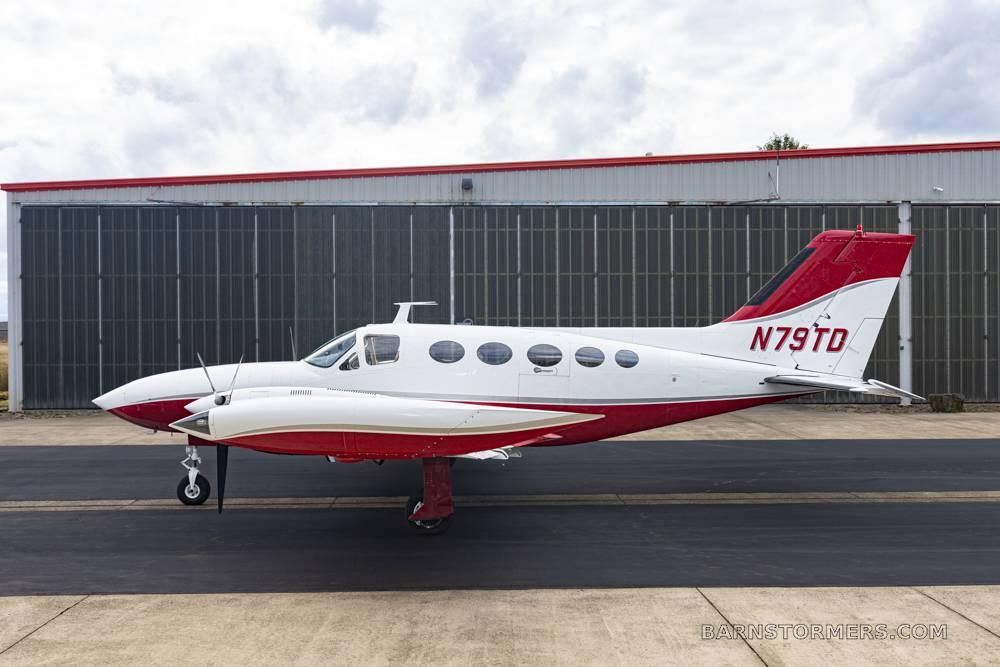
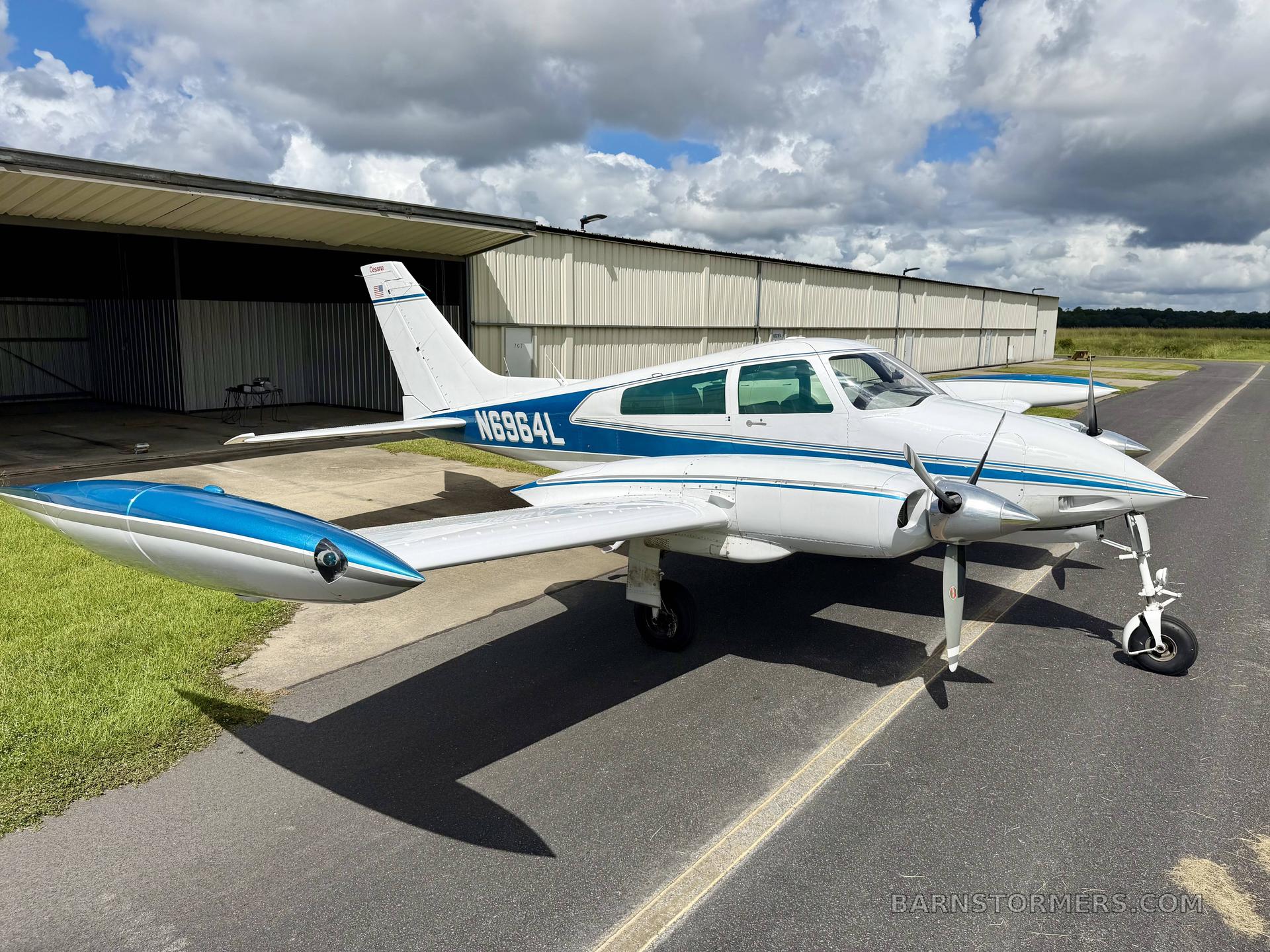
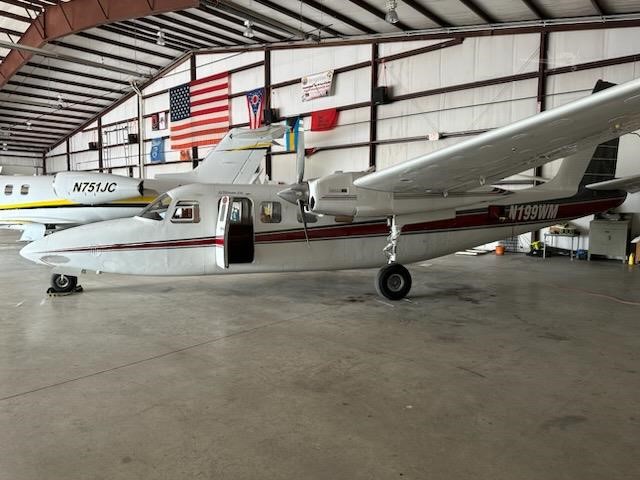
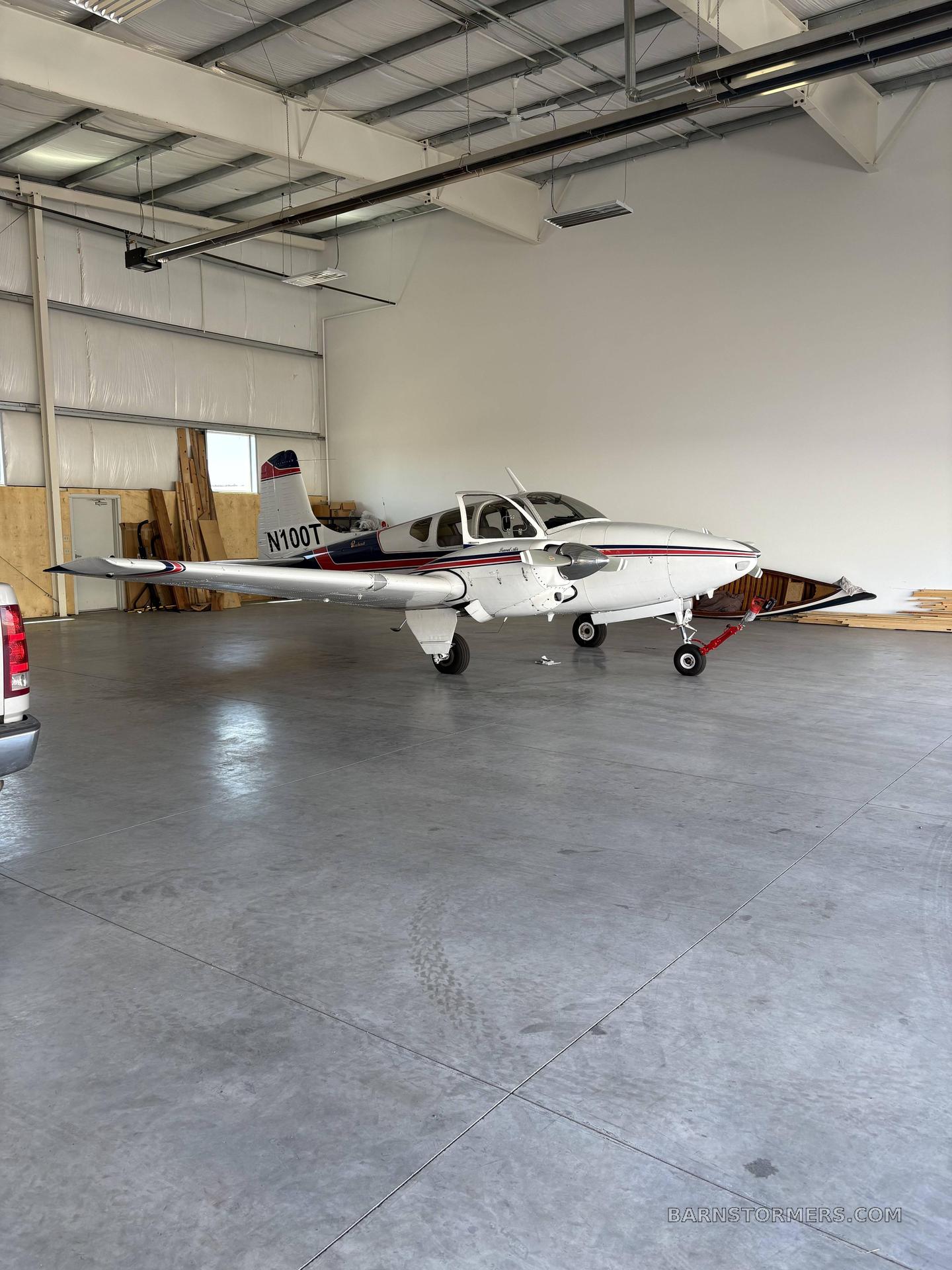
A twin-engine aircraft carries a second powerplant as both a safety margin and a performance upgrade. In practice that second engine buys you redundancy on long over-water, over-terrain, and single-pilot IFR legs — the ability to continue to a suitable airport if one engine fails rather than managing a forced landing. It also typically brings more horsepower, a faster cruise, higher useful load, and pressurization options that a comparably sized single cannot match. The classic piston twins — Cessna 310, 340, and 421; Beechcraft Baron and Duke; Piper Aztec and Seneca — remain popular on the used market for that combination of capability and relative affordability.

The trade-off is the cost equation. Two engines mean two overhauls, two sets of cylinder inspections, and higher insurance premiums. Multi-engine insurance underwriters look closely at total time, multi-engine time, and instrument currency, and the training requirement — at minimum a multi-engine rating, ideally a full instrument-proficiency check in type — is real. Modern diesel twins like the Diamond DA42 have narrowed the fuel-cost gap compared to avgas piston twins, but the fixed-cost math still pushes most twin owners toward co-ownership rather than solo ownership.

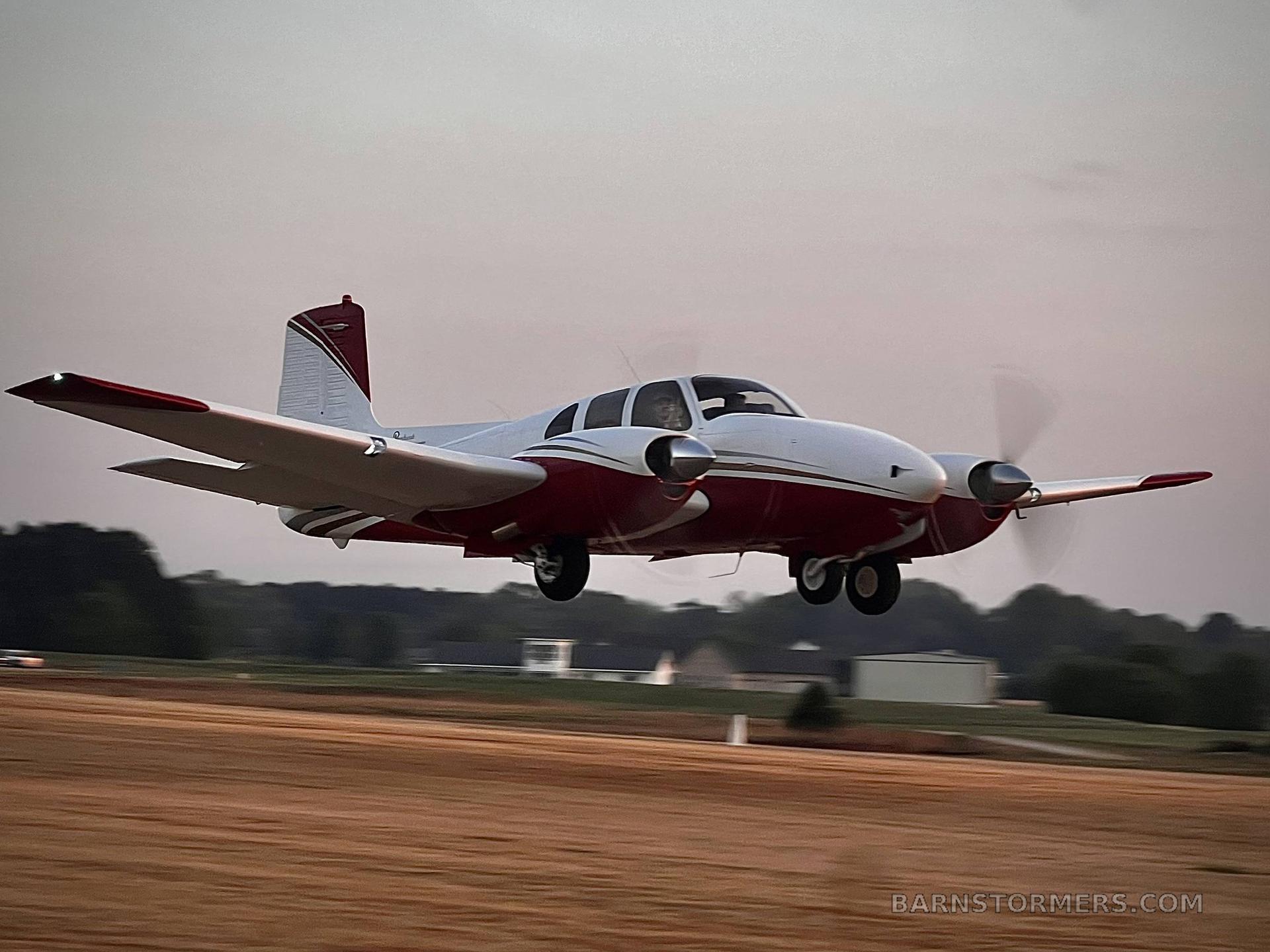
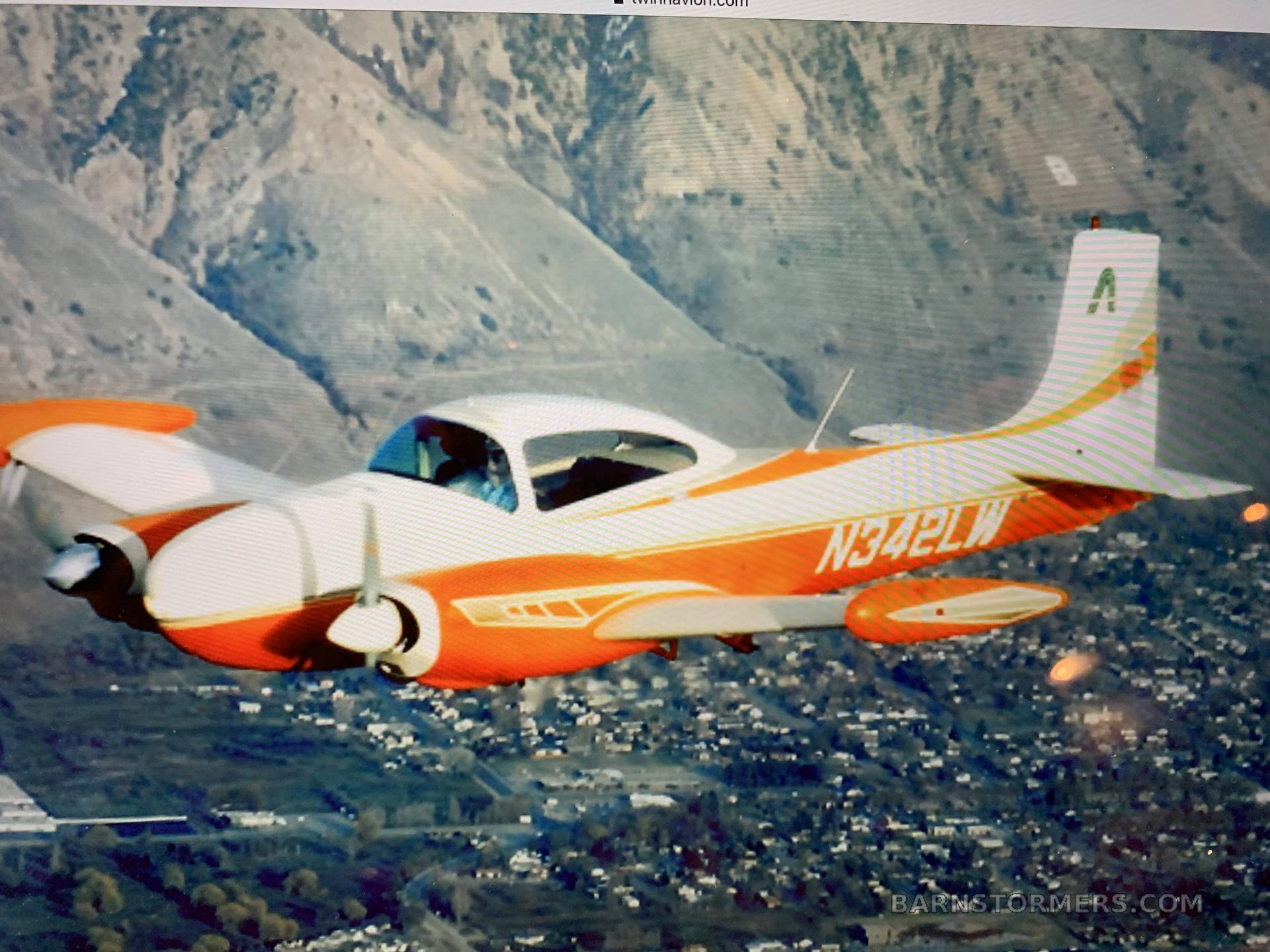
The listings below are the aircraft in our inventory whose title or description mentions a twin or multi-engine configuration. Always verify the engine model, times since overhaul, and propeller condition on the source listing and in the logs, and get a pre-buy inspection from someone experienced with the type before making an offer.
Twin-engine aircraft listings

Listings are aggregated from third-party sites and link back to the original source. ClubHanger is not the seller. Listing data may be out of date — confirm details on the source listing.

Get alerts for new Twin-engine aircraft for sale listings

We'll email you when a new Twin-engine aircraft for sale aircraft is listed. One email field, no account needed.

Twin-engine — frequently asked questions

Quick answers for buyers and prospective co-owners.

Do I need a multi-engine rating to fly a twin?

Yes. A multi-engine rating (added to a Private or Commercial certificate) is required to act as pilot in command of a multi-engine aircraft. It is not a standalone certificate — you add it as a category and class rating. Most training programs run 10–20 hours in the aircraft plus ground study, and many insurers want additional time-in-type beyond the rating minimums before they will quote a twin.

Is a twin actually safer than a high-performance single?

It depends on the situation and the pilot. A twin gives you the option to continue flying on one engine if the other fails — but engine failures are rare, and a mishandled engine-out in a piston twin can be more dangerous than a well-flown forced landing in a single. The safety benefit is most real when you are flying IFR, over-water, or over-terrain where a forced landing would be hazardous, and when you maintain your engine-out proficiency with regular training.

Why do most twin owners co-own rather than own solo?

Two engines bring two overhaul reserves, two annuals' worth of cylinder inspections, and higher insurance premiums that easily exceed what a single costs to own. Co-ownership spreads those fixed costs across a group so each partner pays a manageable monthly number while still accessing the capability of a twin. It is the standard way the math works for the piston-twin market.

What is the difference between a piston twin and a turbine twin?

Piston twins (Cessna 310, Baron, Seneca, DA42) use reciprocating engines and represent most of the used market accessible to private pilots — they are faster and more capable than singles but require no special operating certificates. Turbine twins (King Air, TBM-style twins, older Citations) use turboprop or jet engines, carry much higher acquisition and operating costs, and require a turbine type rating; they are a different class of aircraft and operator.

Buying a plane?

Plain-English guides to help you buy and own with confidence.