ClubHanger

Glass Cockpit Aircraft for Sale

Aircraft equipped with integrated digital flight displays.

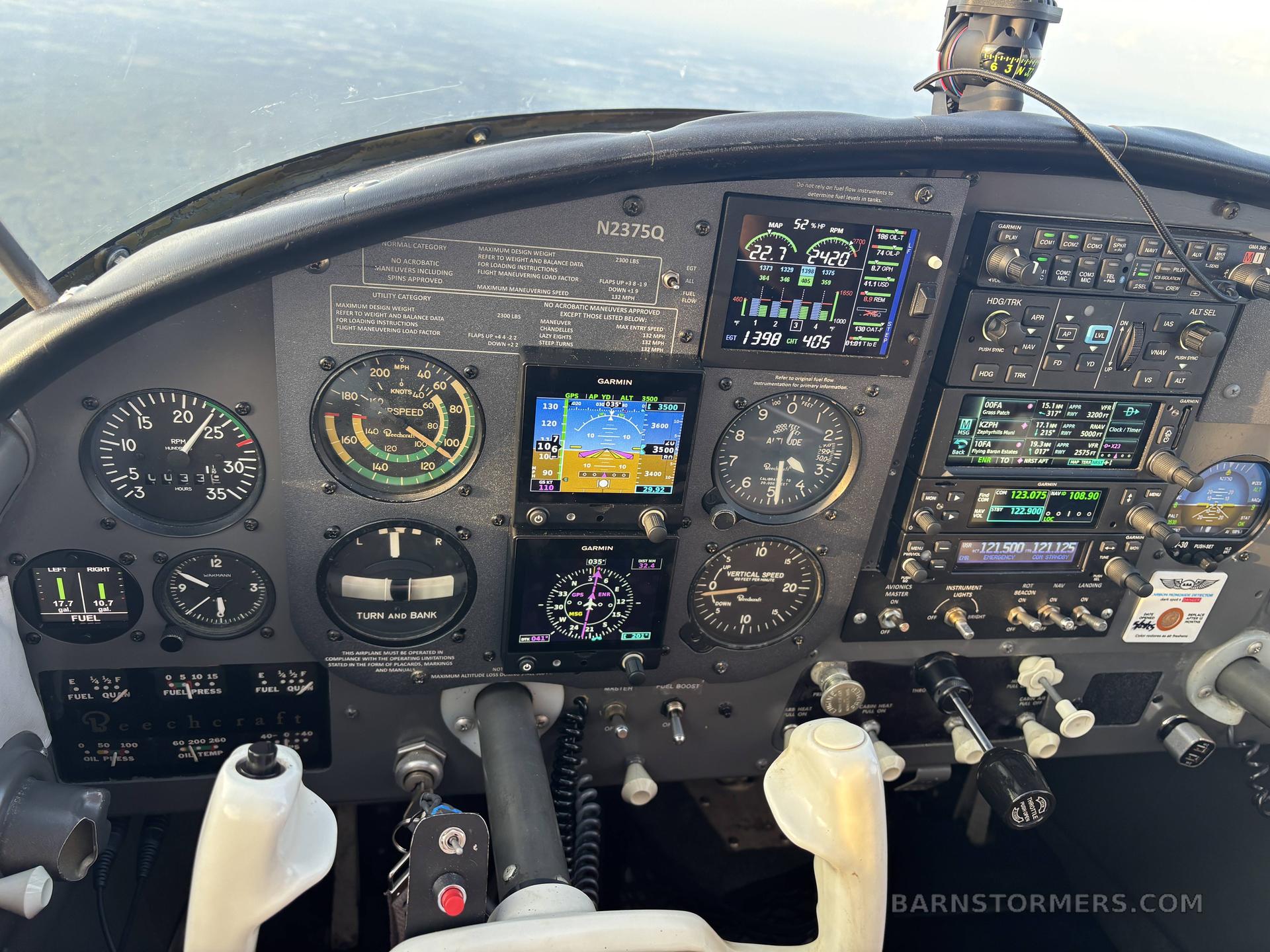
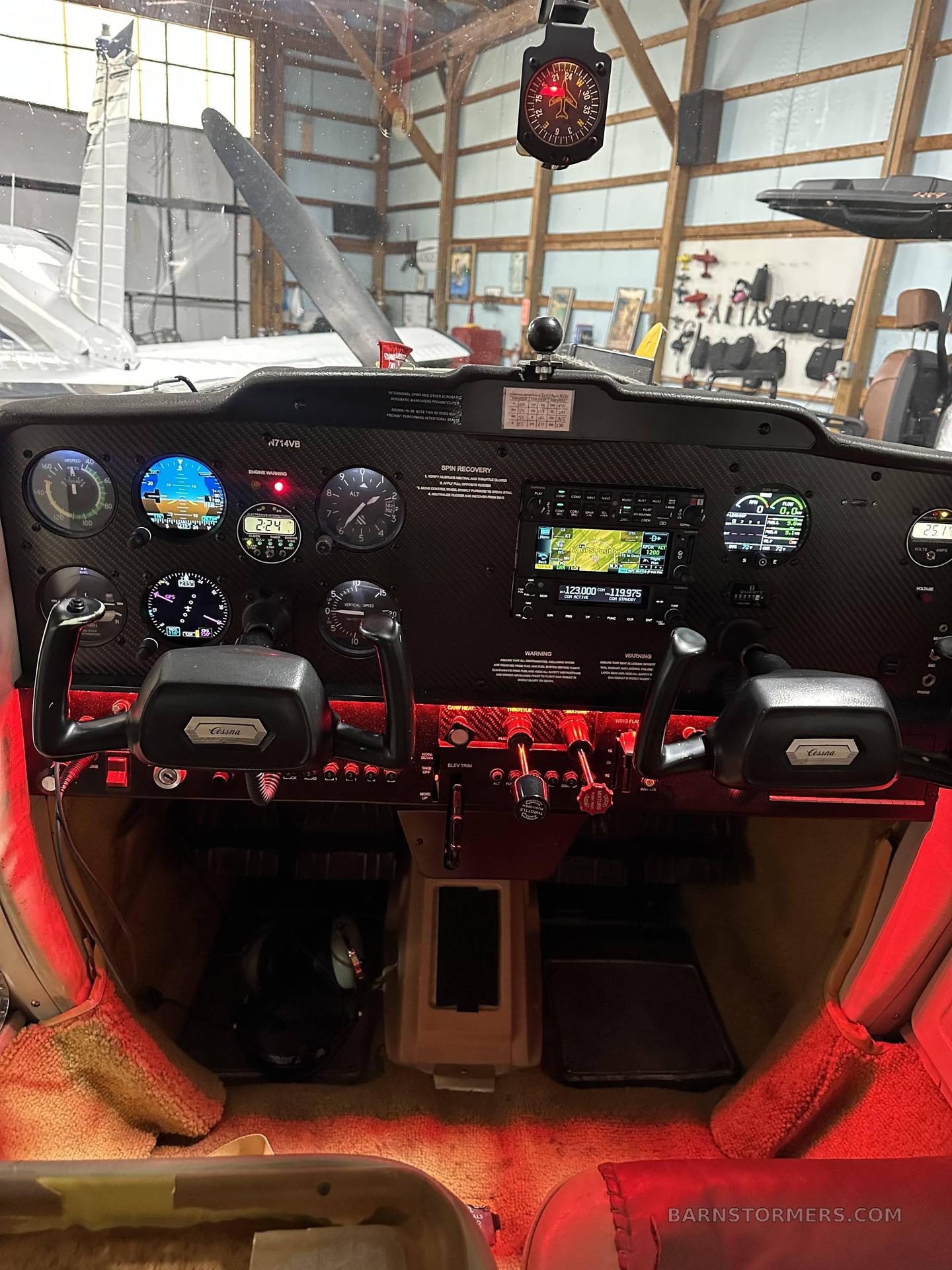
A glass cockpit replaces the traditional cluster of mechanical "steam gauge" instruments with one or more large digital displays. Integrated suites like the Garmin G1000, Avidyne Entegra, or an Aspen Evolution retrofit put your attitude, navigation, engine data, traffic, and weather on the same screens — which is why glass-panel aircraft are popular with pilots who fly cross-country and in instrument conditions, where the reduced scan and built-in situational awareness genuinely lower the workload.

Glass also tends to hold its value and broaden the buyer pool at resale, but the panel is where a lot of the money lives, so it deserves close attention. Confirm the navigators are WAAS-capable and ADS-B Out compliant, ask when the databases were last current, and find out whether the displays are factory-integrated or a later retrofit — retrofits vary widely in capability and in how cleanly they were installed.

The listings below are the aircraft in our inventory whose title or description calls out glass-panel avionics. Always verify the exact equipment on the source listing and, ideally, in the aircraft logs before you buy — avionics descriptions in classified listings are a starting point, not a guarantee.

Glass cockpit aircraft listings

Listings are aggregated from third-party sites and link back to the original source. ClubHanger is not the seller. Listing data may be out of date — confirm details on the source listing.

Get alerts for new Glass cockpit aircraft for sale listings

We'll email you when a new Glass cockpit aircraft for sale aircraft is listed. One email field, no account needed.

Glass cockpit — frequently asked questions

Quick answers for buyers and prospective co-owners.

What counts as a glass cockpit?

A glass cockpit uses one or more electronic flight displays in place of individual mechanical gauges. It can be a factory-integrated suite such as the Garmin G1000 or Avidyne Entegra, or a retrofit like an Aspen Evolution or a Garmin G3X/G5 panel. The common thread is that primary flight, navigation, and often engine information are shown on digital screens rather than round dials.

Is a glass-panel aircraft worth the extra cost?

For pilots who fly cross-country or in instrument conditions, the reduced scan, moving-map awareness, and integrated traffic and weather can genuinely lower workload, and glass tends to broaden the resale buyer pool. For a fair-weather local flyer it may be more capability than you need. Weigh how you actually fly against the price premium and the cost of keeping the avionics current.

What should I check on the avionics before buying?

Confirm the navigator is WAAS-capable and that ADS-B Out is installed and compliant, ask when the navigation databases were last updated, and find out whether the panel is factory-integrated or a later retrofit. Retrofits vary widely in capability and installation quality, so review the avionics logbook entries and any STC paperwork.

Do I need extra training to fly glass?

Often yes. Transitioning from steam gauges to an integrated display is a real learning curve, and many insurers want to see specific make-and-model avionics training before they will quote a favorable rate. Budget for transition instruction, especially if you are also new to the airframe.

Buying a plane?

Plain-English guides to help you buy and own with confidence.