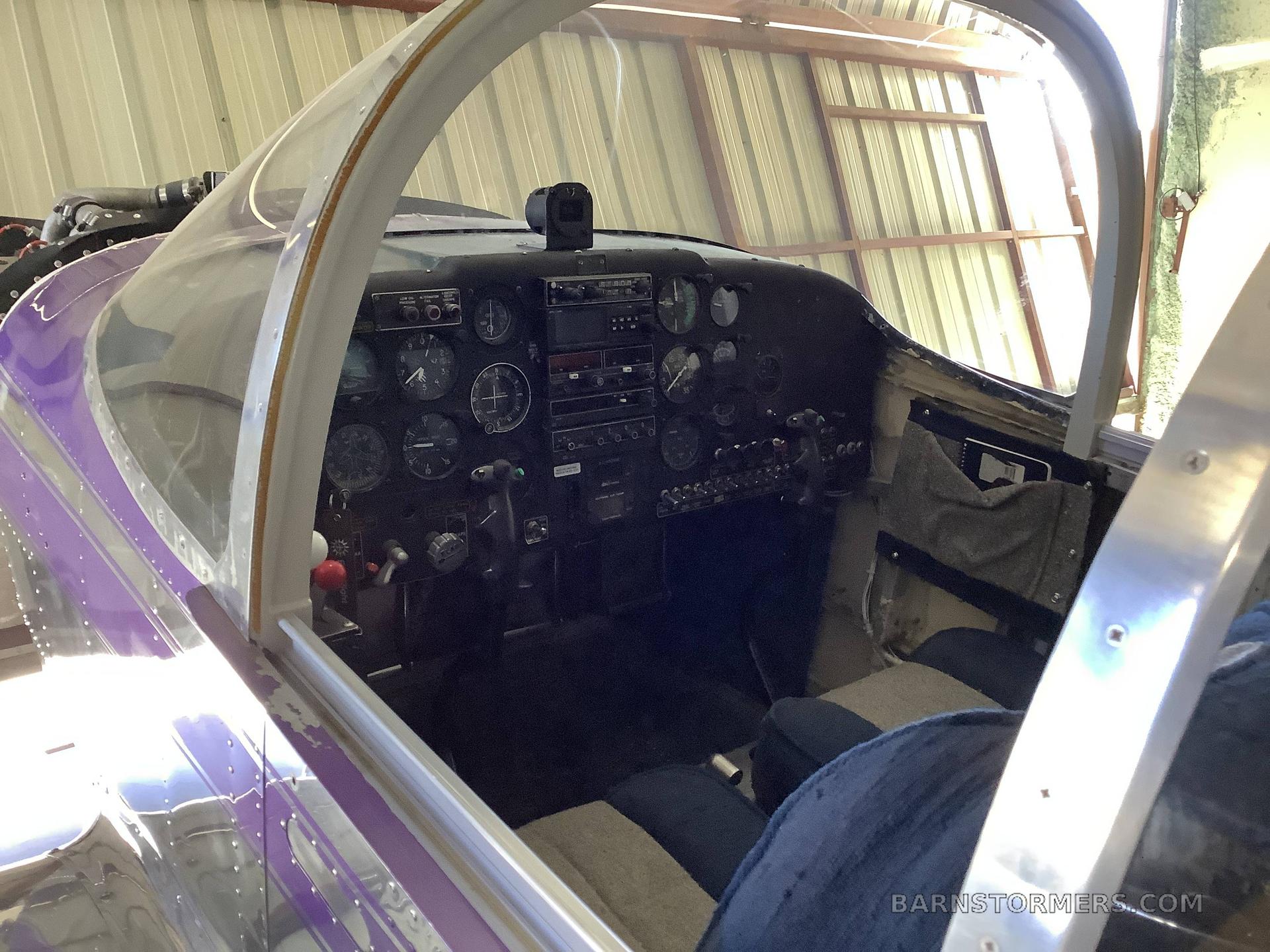
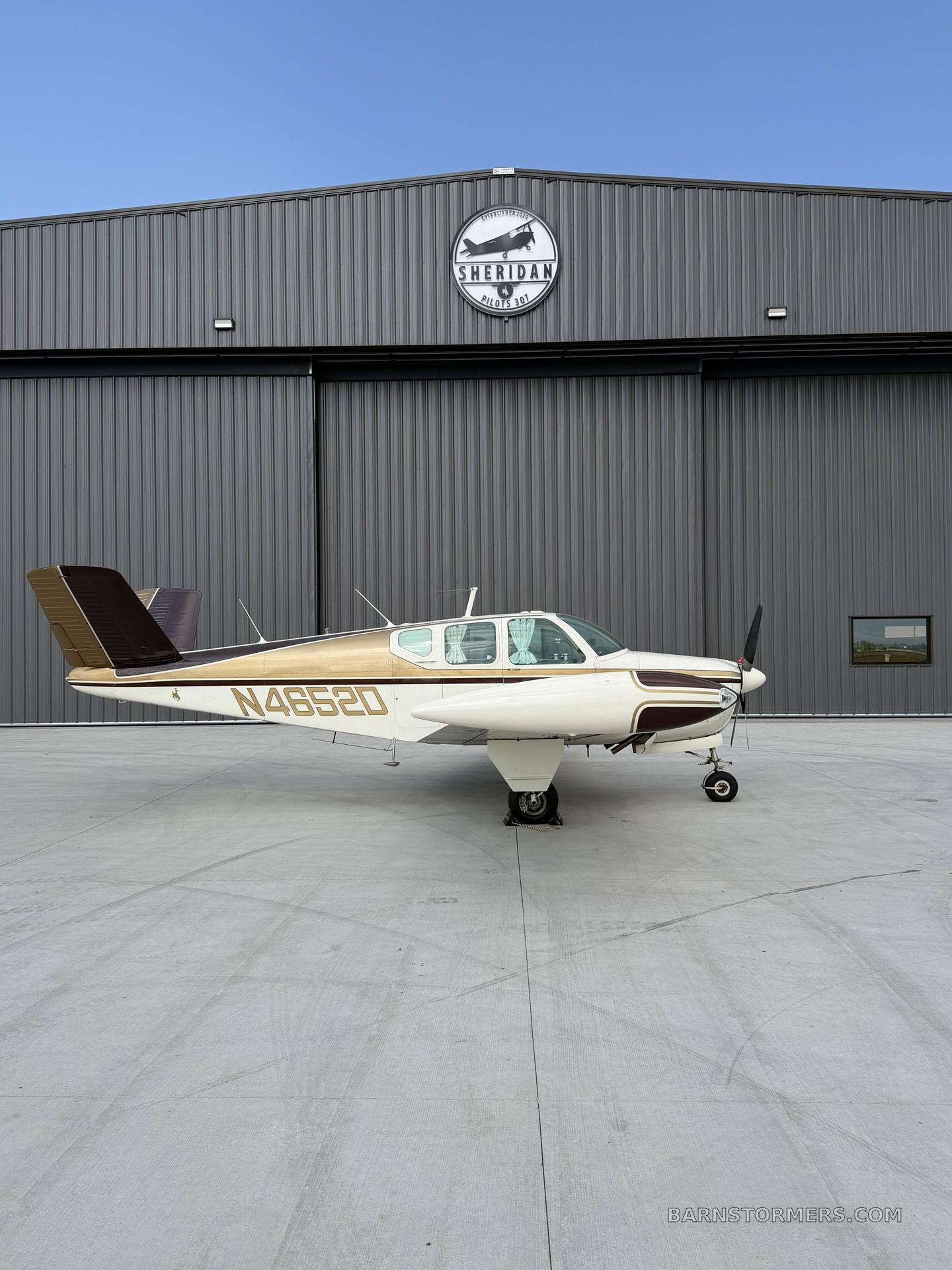
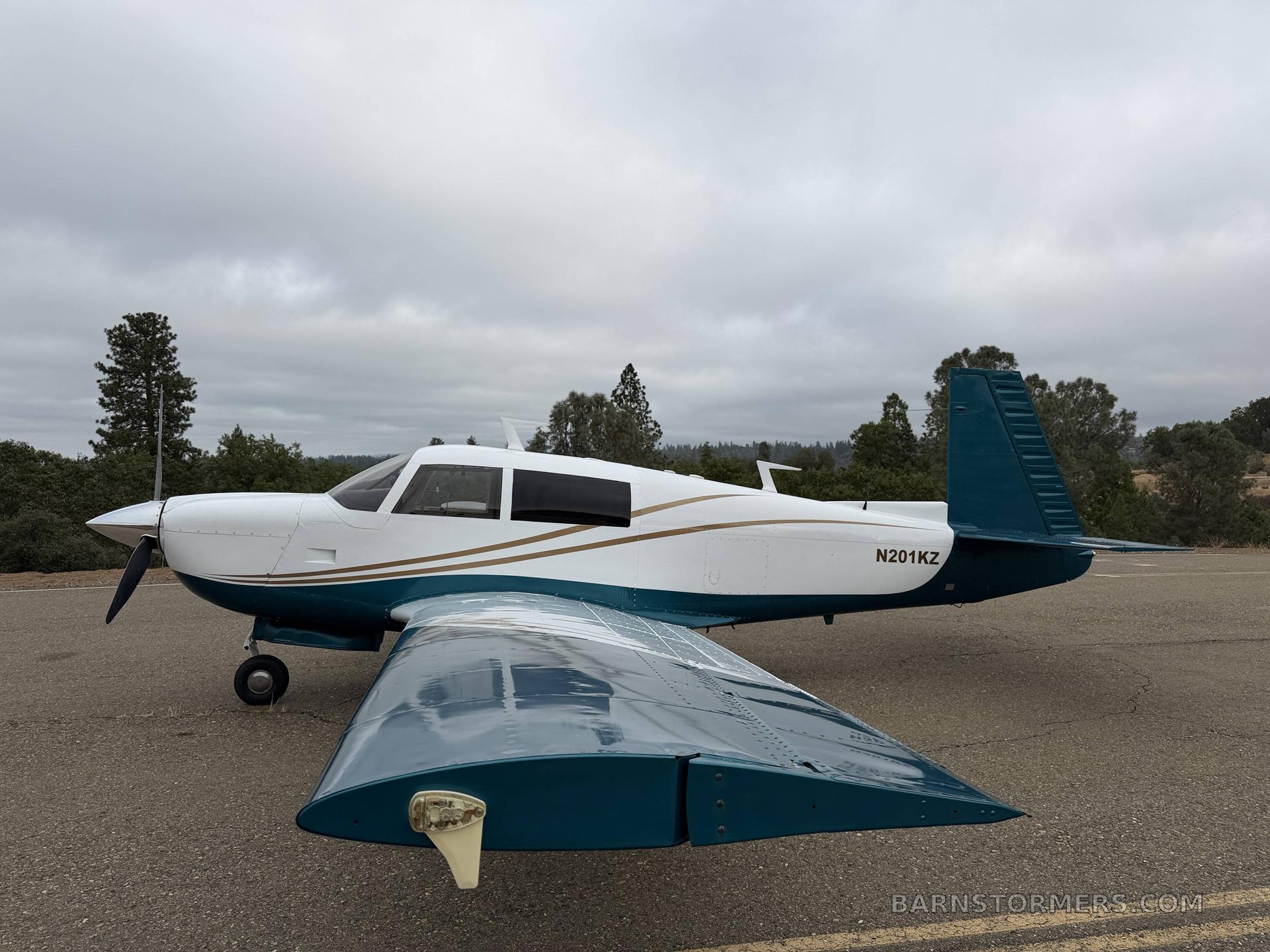
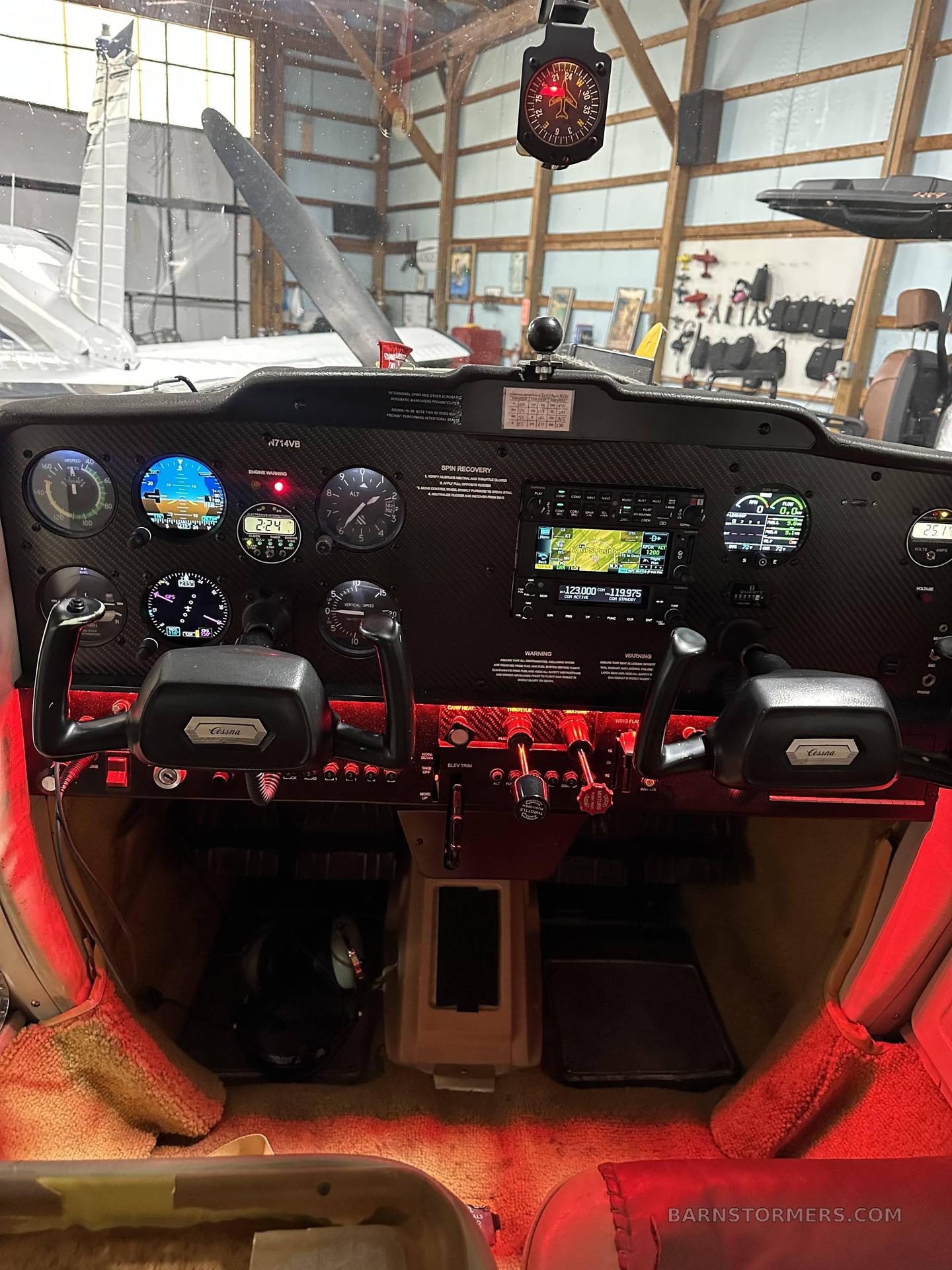
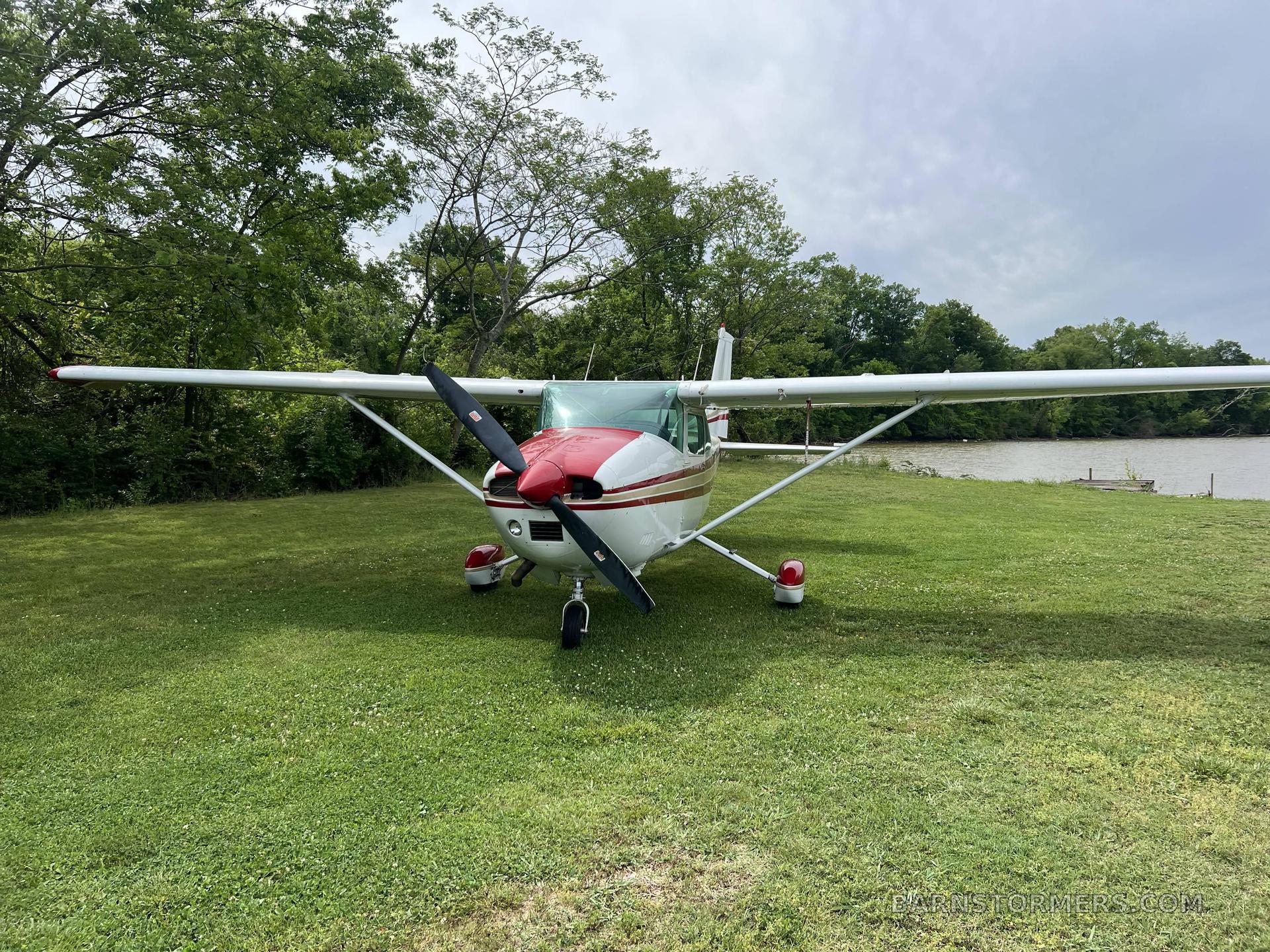
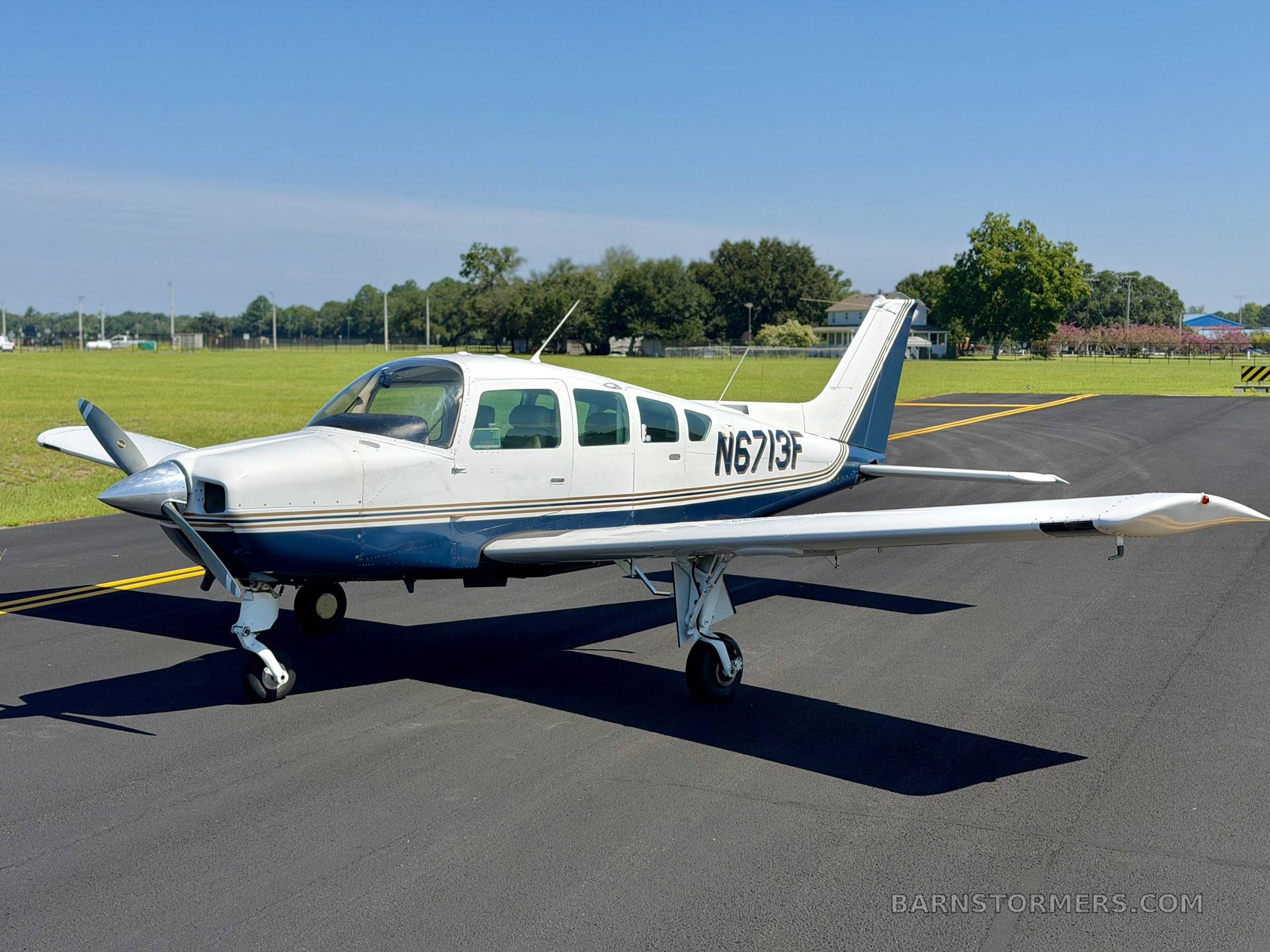
An IFR-equipped aircraft is set up to be flown under Instrument Flight Rules — in cloud and low visibility — rather than only in good visual conditions. In practice that means a certified instrument navigation system, the required flight instruments, and increasingly a coupled autopilot to fly approaches and hold headings while you manage the flight. For pilots who actually want to use an aircraft for travel, IFR capability is what turns a fair-weather toy into dependable transportation.
Equipment alone is not the whole story. For the aircraft to be legal in the system its pitot-static and transponder checks must be current, and any GPS used for IFR navigation has to be an approved unit with up-to-date databases. Ask about the most recent avionics certifications, whether ADS-B Out is installed, and what the autopilot can and cannot do — a two-axis autopilot with approach coupling is a very different airplane to hand-fly than a wing-leveler.
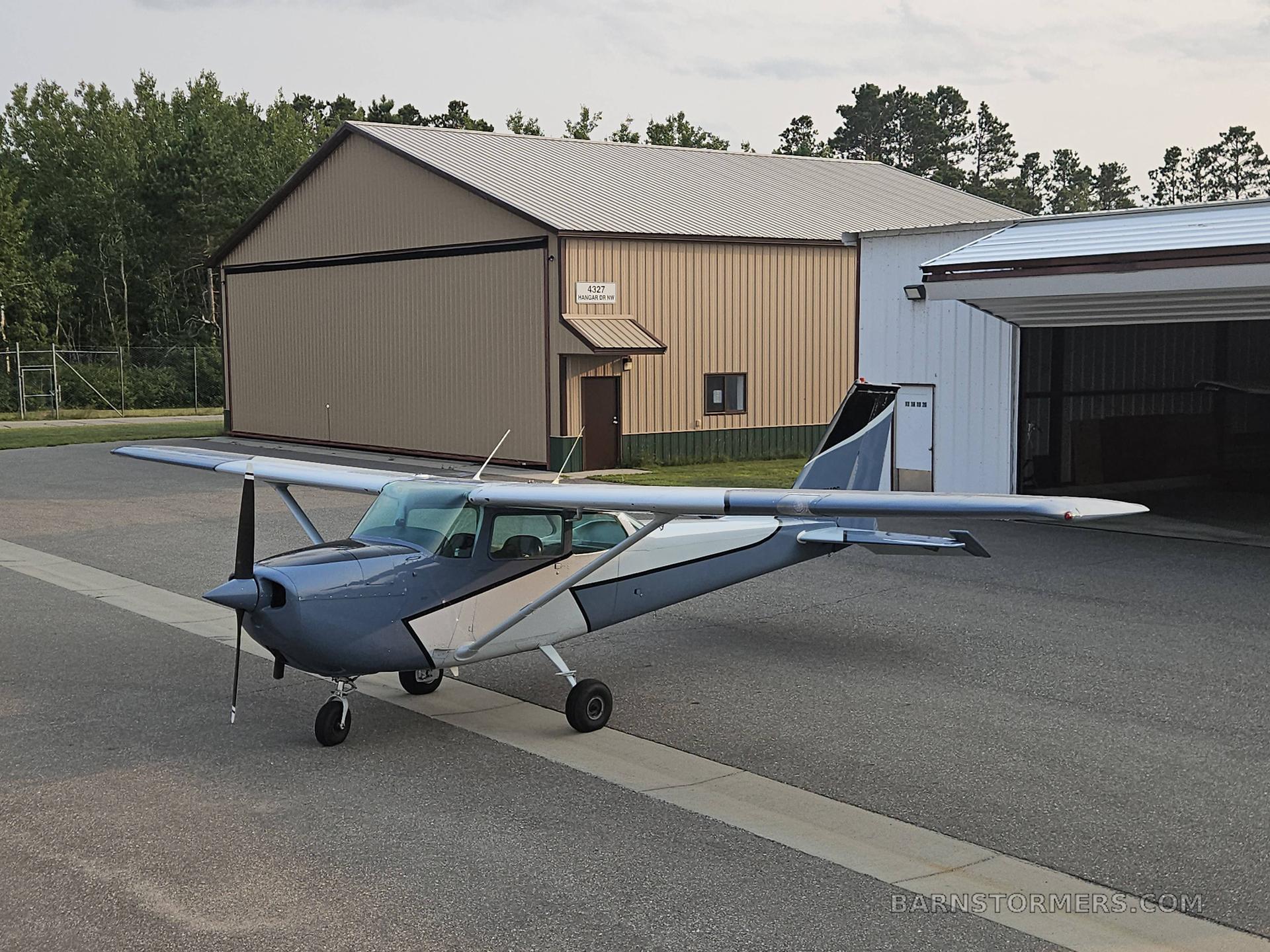
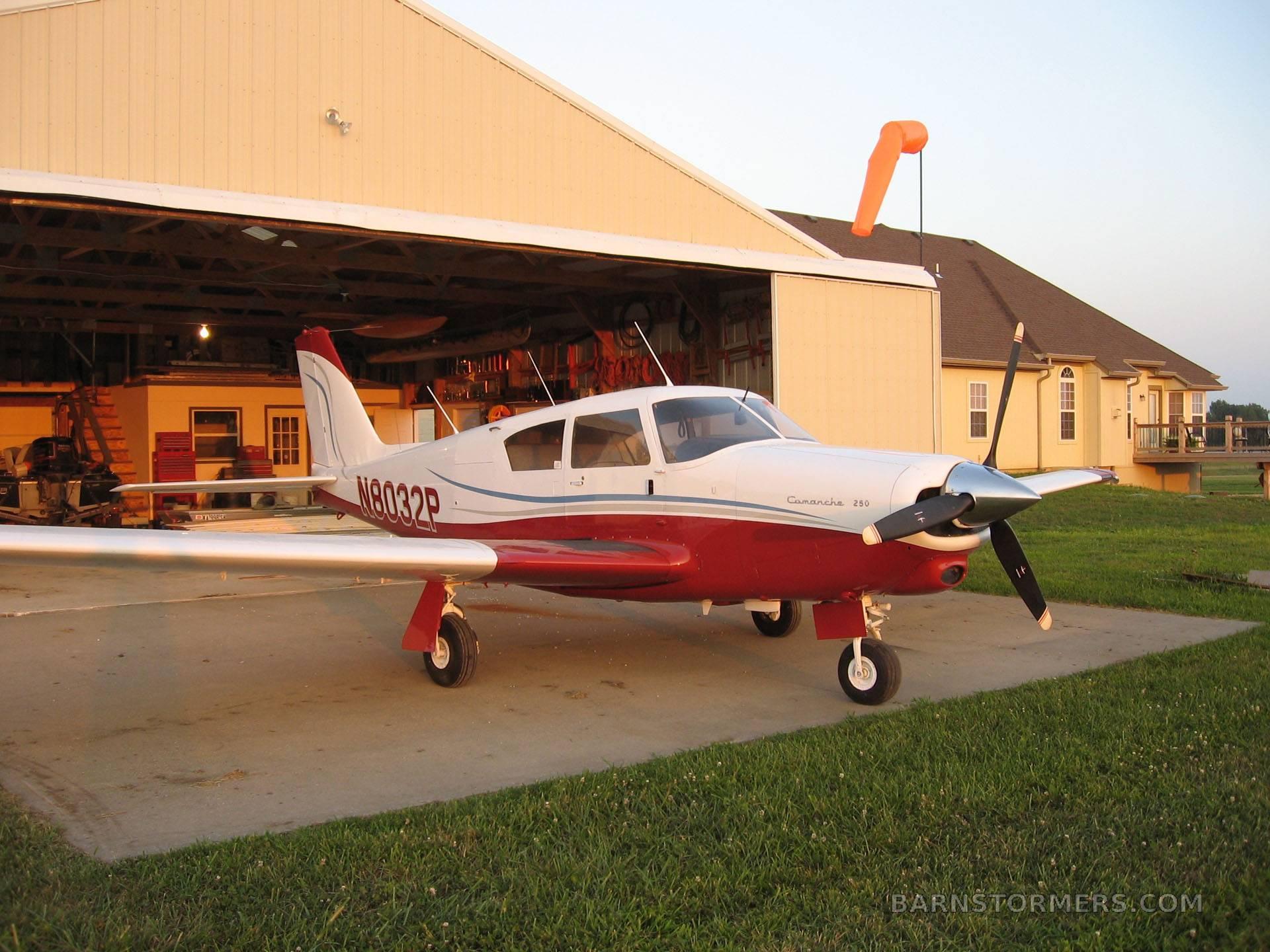
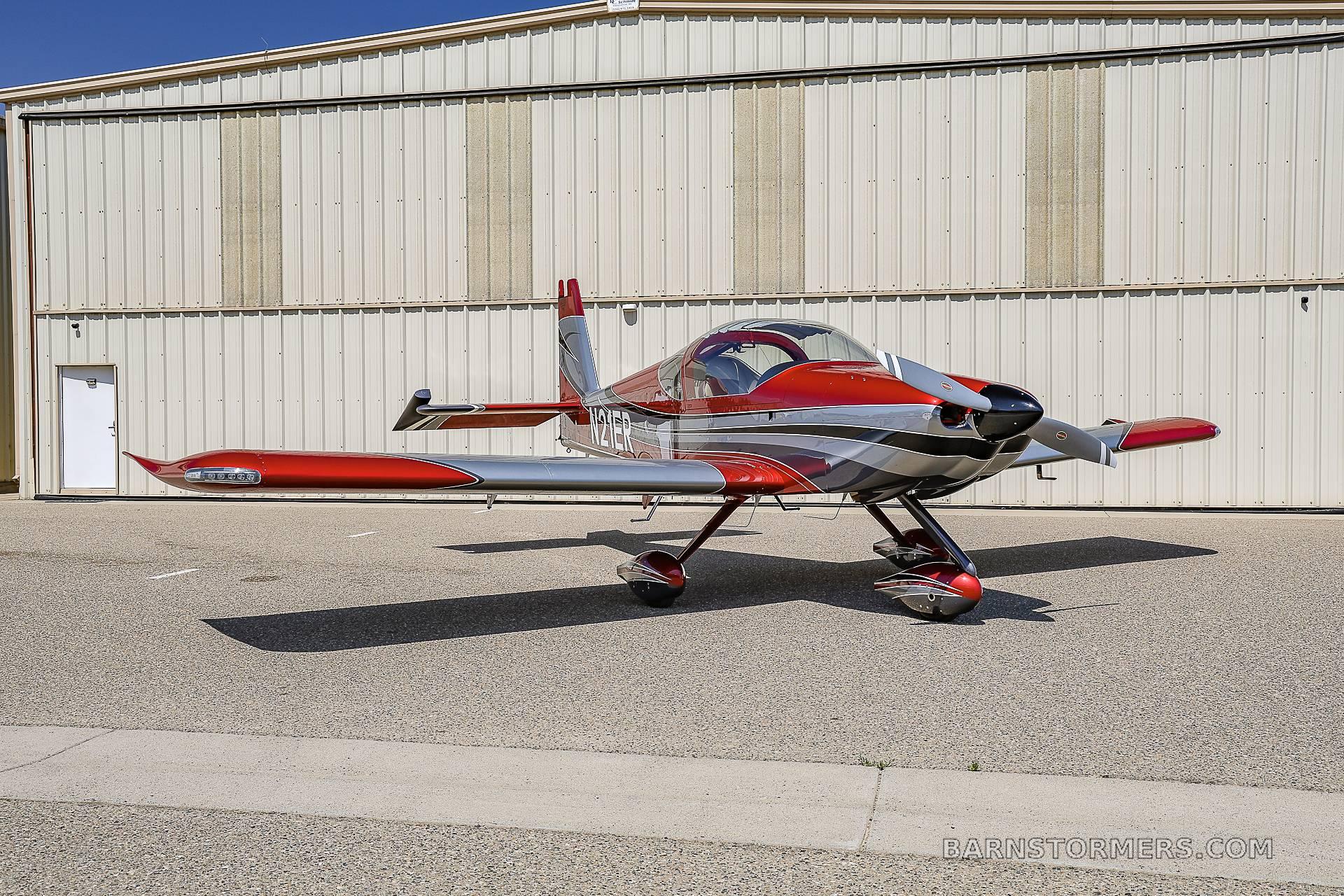
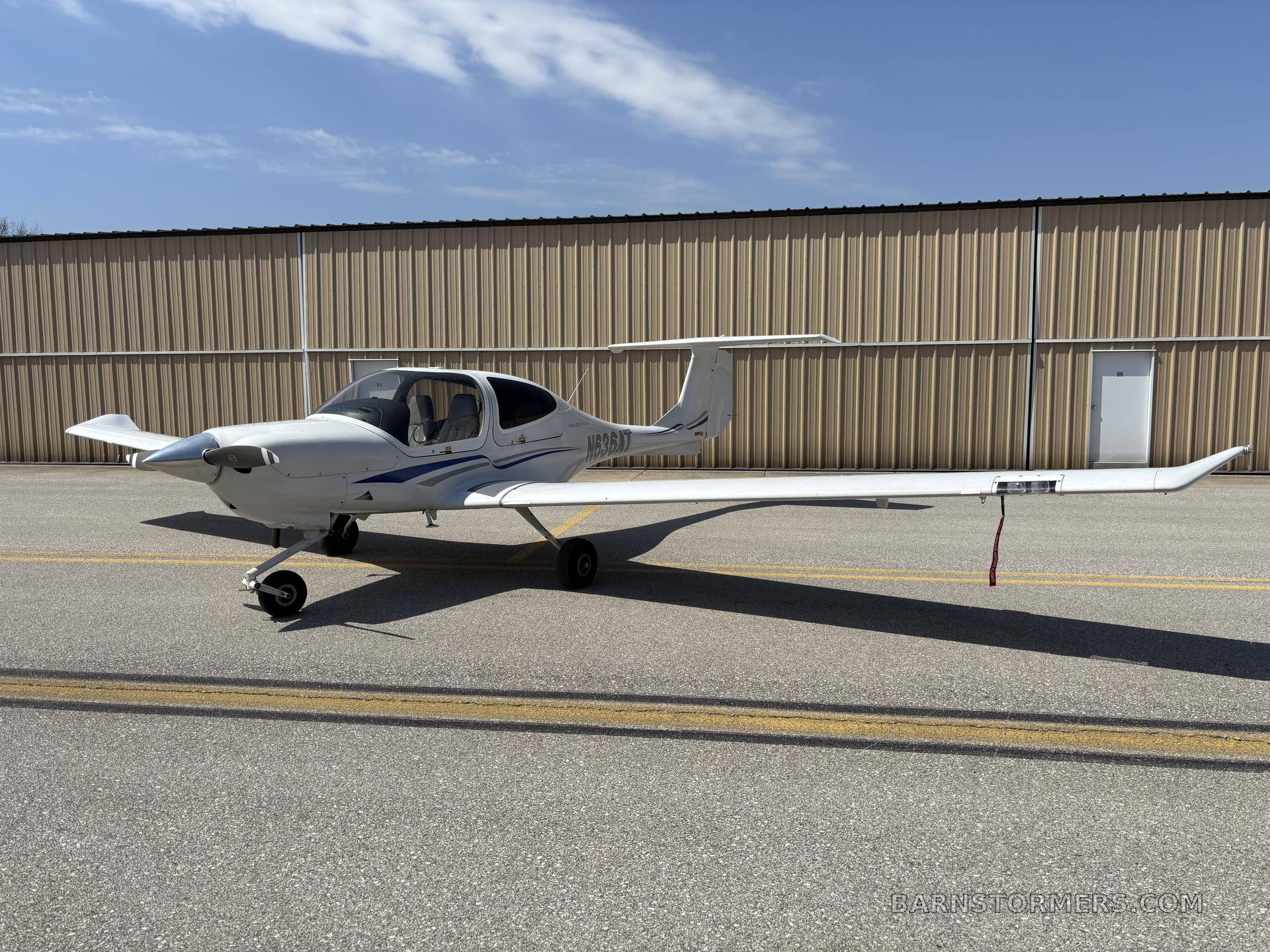
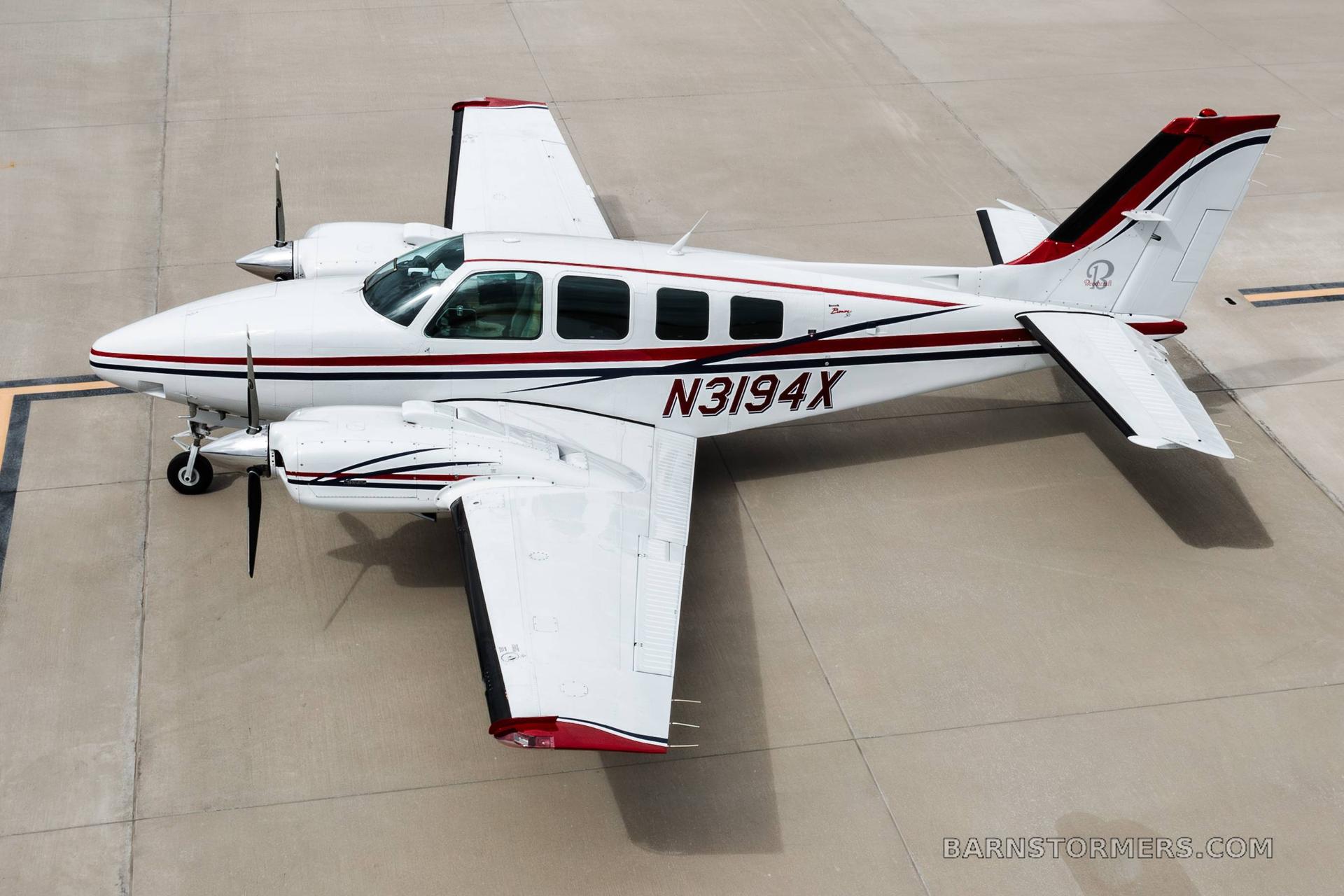
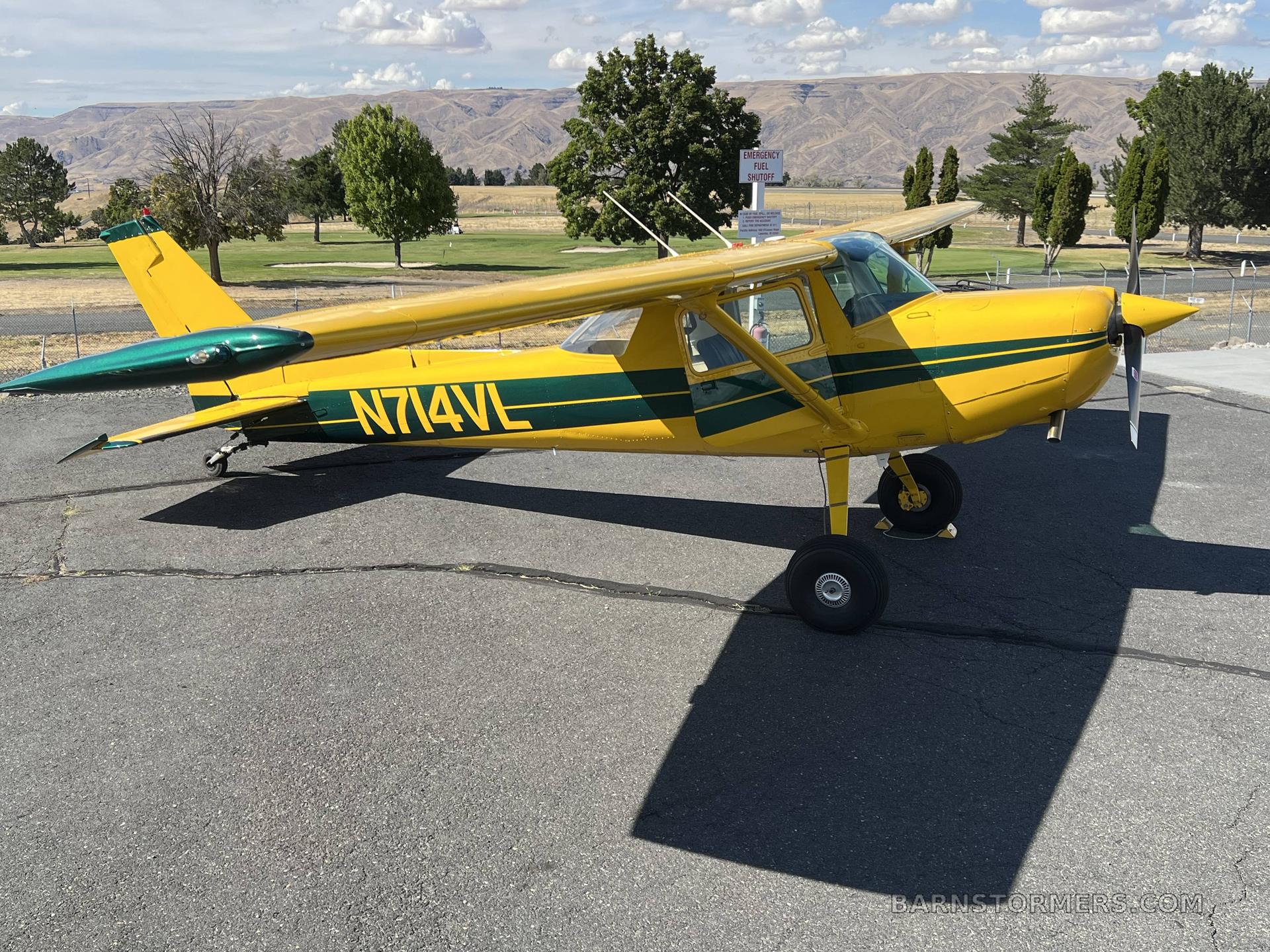
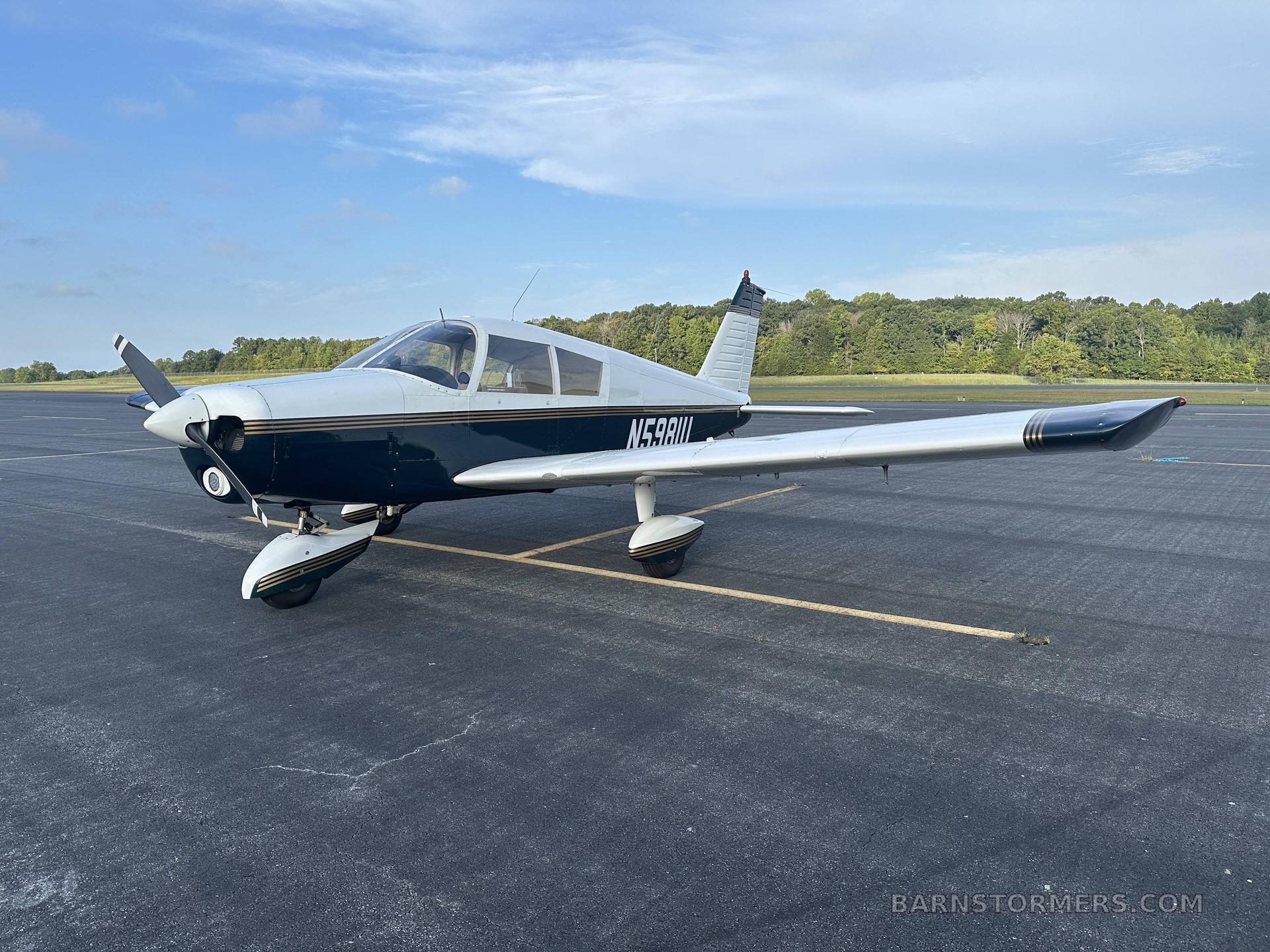
The listings below are the aircraft in our inventory described as IFR-capable. Treat the description as a lead and confirm the panel, certifications, and logbooks on the source listing before making an offer.